Top 2026 16mm Drill Bit Features Buyers Should Know?
When choosing a 16mm Drill Bit, understanding its key features is vital. This specific size is popular among builders and DIY enthusiasts alike. Each drill bit possesses unique characteristics that cater to various needs.
Knowing what to look for can ensure optimal performance and efficiency. For example, material composition plays a significant role in durability. Some bits are made of high-speed steel, while others use carbide for more toughness. A bit's coating can also affect its lifespan and cutting ability.
Moreover, the design of the tip impacts precision and speed. A well-structured point prevents slipping, enhancing overall accuracy. Many buyers overlook these aspects, leading to subpar outcomes. This guide aims to clarify these essential details. Tools matter, and the right 16mm Drill Bit can make a difference.
Essential Characteristics of 16mm Drill Bits for Buyers
When considering 16mm drill bits, there are essential characteristics to keep in mind. One key factor is material. High-speed steel (HSS) and cobalt-stainless steel are common choices. HSS provides good heat resistance and durability. Cobalt bits can handle tougher materials, making them ideal for metalwork.
It's also important to check the bit’s coating. A titanium or black oxide coating can enhance durability and reduce friction during operation. This results in cleaner cuts and longer tool life. Remember, not all coatings are equal. Some may wear off quickly, rendering the bit less effective.
Tips: Assess the specific materials you'll be drilling. This will guide your choice in bit material and coating. Always inspect your bits for wear. A worn bit can lead to inaccurate drilling and may damage your workpiece. Regular maintenance will ensure optimal performance over time.
Essential Characteristics of 16mm Drill Bits
Materials Used in 16mm Drill Bits and Their Impact on Performance
When exploring 16mm drill bits, the materials used can significantly impact their performance. Common materials include high-speed steel (HSS), carbide, and cobalt. HSS offers a balance of toughness and wear resistance. It's suitable for general-purpose drilling. However, it may not hold up well under extreme conditions.
Carbide drill bits are known for their hardness. They can maintain sharpness longer than HSS. This makes them ideal for drilling into hard materials. Yet, they can be brittle and may chip if misused. Users should be cautious when applying excessive pressure.
Cobalt drill bits, a variant of HSS, contain additional cobalt for enhanced heat resistance. They are excellent for drilling into tougher metals. However, they can be more expensive. Users might find them less versatile compared to standard HSS bits. Each material has its strengths and weaknesses. Understanding these can help buyers choose the right drill bit for their projects.
Comparative Advantages of Coated vs. Uncoated 16mm Drill Bits
When choosing between coated and uncoated 16mm drill bits, understanding their properties is crucial. Coated bits typically offer enhanced durability. For instance, carbide coatings can increase tool life by up to 50%. This is significant for high-volume drilling operations where cutting speed and reliability matter. Coated bits minimize friction, which leads to less heat buildup. Thus, they perform better in tough materials like stainless steel or titanium.
On the other hand, uncoated bits are simpler and often less expensive. They can be effective for softer materials like wood or plastic. However, their shorter lifespan can lead to increased costs over time. Research shows that uncoated bits can wear out 30% faster than their coated counterparts. This discrepancy is important when evaluating overall project expenses and productivity. Choosing the right type depends on your specific drilling needs and budget constraints.
Top 2026 16mm Drill Bit Features Buyers Should Know
| Feature |
Coated Drill Bits |
Uncoated Drill Bits |
| Durability |
Higher durability due to protective coating |
Less durable, prone to wear |
| Cost |
Generally more expensive |
Lower cost |
| Heat Resistance |
Better heat resistance |
Lower heat resistance |
| Application |
Ideal for high precision tasks |
Better for general-purpose drilling |
| Performance |
Higher performance, cleaner cuts |
Satisfactory performance, may require more effort |
Understanding Cutting Edges and Their Role in Efficiency
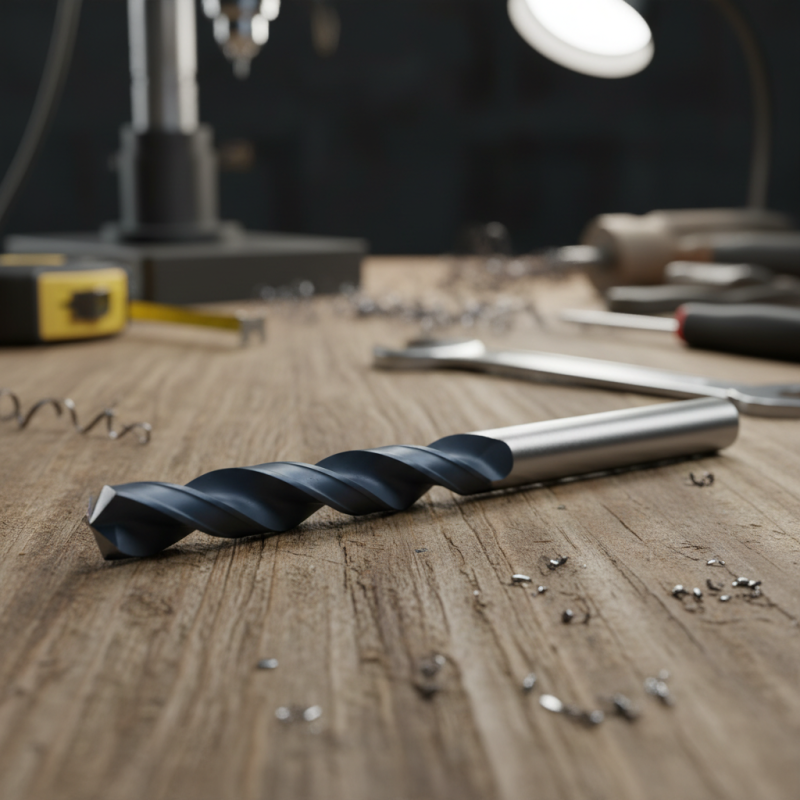
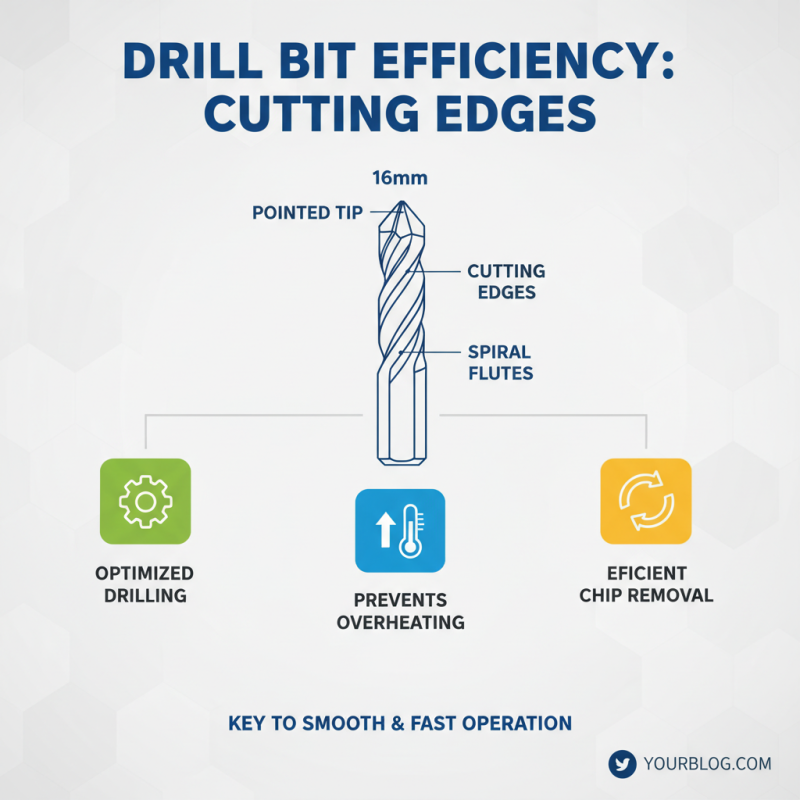
When selecting a 16mm drill bit, understanding the cutting edges is crucial. These edges directly influence the efficiency of drilling tasks. Typically, drill bits feature a pointed tip and spiral flutes designed to remove chips swiftly. This design helps maintain a clear path for the bit, preventing overheating and ensuring smooth operation.
The geometry of the cutting edges matters significantly. A sharper edge leads to smoother drilling and reduced resistance. However, sharper bits may wear out faster. It’s essential to balance efficiency with durability. Some users find that a duller edge lasts longer but sacrifices speed. This trade-off often requires reflection on project needs.
Consider the material you'll be drilling into. Softer materials may require a different edge style compared to harder ones. Additionally, the coating on the bit can affect performance. Coated bits resist wear and heat but may have a higher initial cost. Understanding these factors helps make an informed choice. Knowing when to replace or sharpen bits is also vital. Regular inspection can prevent project delays and maintain efficiency.
The Importance of Shank Types for 16mm Drill Bit Compatibility
When selecting a 16mm drill bit, understanding shank types is crucial.
The shank type determines how well the drill bit fits into your drill. A well-matched shank ensures stability and reliability during use.
Common shank types include cylindrical, hex, and SDS.
Each type has its purposes and specific tools it is compatible with.
Compatibility is key. A cylindrical shank fits into standard drill chucks.
HEX shanks offer quick-change options for efficiency. SDS shanks are designed for hammer drills, providing enhanced stability and power.
It's vital to check that your drill supports the chosen shank type.
Mismatched shanks can lead to accidents or poor drilling performance.
Tips: Always inspect your drill for compatibility before purchasing a bit.
Testing the fit of your shank regularly can prevent slips and ensure consistent performance.
Remember, an improperly fitted shank may cause frustration and reduce the life of both the drill and the bit.
Investing time in understanding shank types will empower your projects.