2026 Best Brick Grinding Disc for Global Buyers?
As the demand for quality construction materials increases, the importance of selecting the right tools becomes evident. For professionals and DIY enthusiasts alike, finding the perfect Brick Grinding Disc is essential. The right disc enhances productivity and ensures a smooth finish on brick surfaces.
Different types of Brick Grinding Discs are available on the market. Each option serves specific needs and materials. Some buyers may face challenges in choosing the best disc due to overwhelming choices. This guide aims to highlight top picks for 2026 while addressing common misconceptions in this sector.
Understanding the varying qualities of Brick Grinding Discs is vital. Not all discs are created equal—composition, grit, and durability matter. Some brands may oversell their products, leading to buyer regrets. Exploring reliable reviews and expert recommendations can mitigate these risks. With careful selection, users can achieve optimal results in their grinding tasks.
Understanding Brick Grinding Discs: Types and Benefits
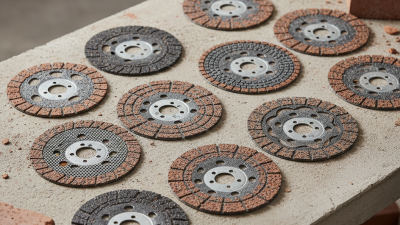
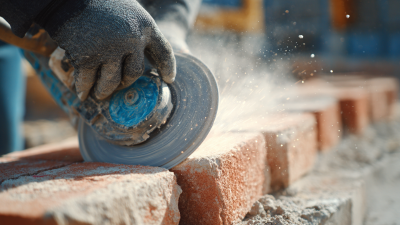
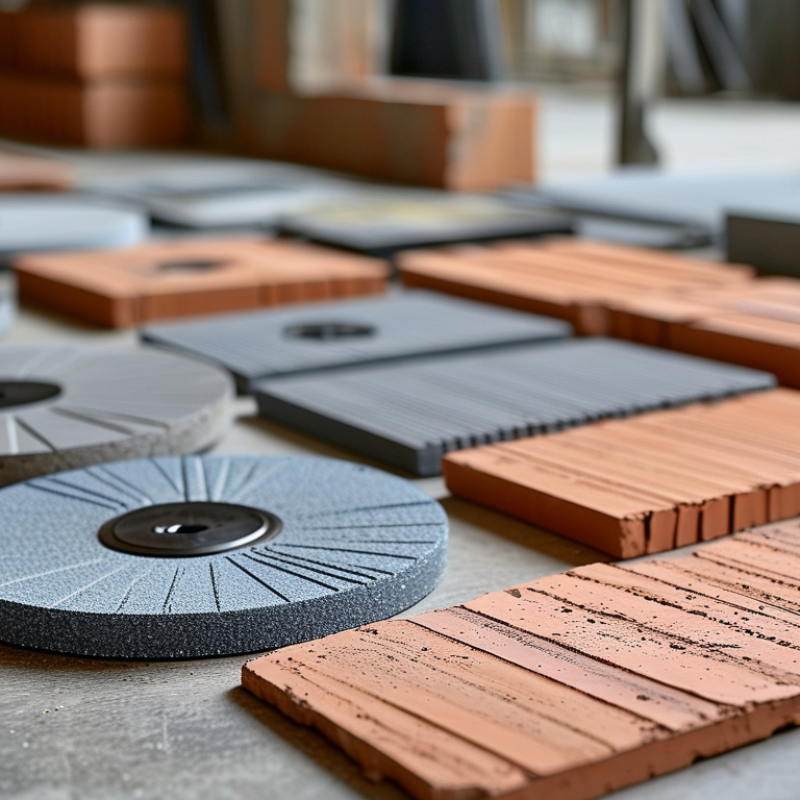
Brick grinding discs are essential tools in construction and masonry tasks. They come in various types, each suited for different applications. The most common types include
diamond grinding discs and silicon carbide discs.
Diamond discs are known for their durability and efficiency. They excel in grinding hard materials, making them ideal for brickwork.
Silicon carbide discs, while less expensive, are suitable for softer bricks.
According to industry data, using the right grinding disc can improve efficiency by up to 30%.
This increase is crucial for professionals looking to maximize productivity. In addition, proper use of grinding discs can extend their lifespan.
This shift in usage can lead to significant cost savings over time.
Tips: Always choose the right disc for your specific brick type.
A disc designed for hard bricks may not perform well on softer materials.
Additionally, regular maintenance of equipment can prevent slip-ups during work.
Remember, improper usage can lead to wasted materials and unsafe conditions. Investing time in understanding these tools pays off in the long run.
Key Features to Look for in a Brick Grinding Disc
When selecting the best brick grinding disc, buyers should consider key features that impact performance and safety. One significant feature is the grit size. Coarser grits remove material quickly but may leave rough finishes. In contrast, finer grits provide smoother surfaces but take longer. A balance between grit sizes is essential for various applications.
Another crucial aspect is the disc's bond type. A strong bond can enhance the lifespan of the disc. According to industry reports, diamond-grinding discs, for instance, can last up to 30 times longer than traditional options. This longevity saves time and reduces replacement costs.
Safety features also deserve attention. Discs should be designed to minimize kicking back and vibration. Users should look for discs that meet industry safety standards. Comfort and control during use can impact effectiveness. For example, ergonomically designed grips can reduce user fatigue, allowing for longer, more precise grinding sessions. Investing in quality discs yields long-term benefits for both projects and the operator.
Top Brands of Brick Grinding Discs for Global Buyers
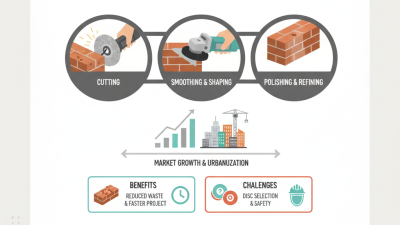
When it comes to choosing the right grinding disc for brick, several factors are crucial. The global market shows a significant demand for high-performance grinding discs. According to recent industry reports, sales are expected to grow steadily, with an annual increase of about 5% through 2026. This growth indicates a strong need for reliable and effective tools in construction and masonry work.
Top brands in the market emphasize different aspects of their products. Some focus on durability, while others highlight cutting efficiency. Research suggests that discs made with diamond particles tend to outperform standard abrasive types. Users often report better lifespan and cutting speeds with these discs. It's essential to consider the hardness of the brick being worked on. For instance, softer bricks can be tackled with finer grits, while harder materials may require more robust options.
Despite technological advancements, challenges remain. Users frequently encounter issues like overheating and uneven wear. These problems can affect efficiency and output quality. Understanding the specific needs of your projects is important. Not all discs perform well in every setting. Selecting the right tool can save time and money in the long run, leading to improved results in masonry and construction tasks.
Comparative Analysis of 2026 Brick Grinding Disc Options
When selecting a brick grinding disc in 2026, buyers face various options. The market offers discs with different specifications and purposes. Key factors include material type, grit size, and intended application. Understanding these variables helps in making informed choices.
Not all grinding discs perform the same. Some may excel in durability but lack in precision. Conversely, others may provide a smooth finish but wear out quickly. Assessing the trade-offs is essential. Buyers should think critically about their needs and not just focus on brand names.
Tips: Always consider the specific job at hand. Choose a disc that aligns with your project requirements. Testing a few options could reveal strengths or weaknesses not immediately apparent. Prioritize quality, but remain open to experimenting with new selections.
2026 Best Brick Grinding Disc for Global Buyers? - Comparative Analysis of 2026 Brick Grinding Disc Options
| Disc Type |
Diameter (mm) |
Thickness (mm) |
Max RPM |
Grinding Efficiency |
Price Range (USD) |
| Diamond |
115 |
3 |
12,200 |
High |
$50 - $70 |
| Alumina |
125 |
6 |
10,500 |
Medium |
$30 - $50 |
| Silicon Carbide |
150 |
5 |
9,000 |
Medium |
$25 - $40 |
| Resin Bond |
100 |
4 |
11,000 |
High |
$40 - $60 |
| Metal Bond |
180 |
7 |
8,500 |
Medium |
$35 - $55 |
Safety Tips and Best Practices for Using Brick Grinding Discs
When using brick grinding discs, safety is paramount. Reports show that around 20,000 injuries occur annually from improper use of grinding tools in construction. It's crucial to wear proper protective gear. This includes goggles, gloves, and hearing protection. These measures reduce the risk of serious injuries significantly.
Tips for safe operation include checking your equipment before use. Ensure that the disc is properly secured and not damaged. A compromised disc can shatter during operation, posing serious hazards. Additionally, maintain a stable footing. Slips can lead to accidents, especially when working on uneven surfaces.
Always follow the manufacturer’s instructions for your specific grinding disc. The RPM ratings must match the grinder's speed. Ignoring this can lead to catastrophic failures. Lastly, don’t rush. Taking time increases precision and safety during work. Reflect on your technique periodically to improve and ensure safe practices. Regular training can enhance skills and awareness, reducing the potential for workplace accidents.