10 Best Drum Sanders for Perfect Woodworking Projects?
When it comes to woodworking, precision is key. Achieving a smooth finish on wood surfaces can be challenging. This is where the Drum Sander comes into play. A Drum Sander is a powerful tool that helps you elevate your projects. It smooths surfaces and helps in achieving a flawless finish.
Choosing the right Drum Sander can be a daunting task. Many options are available, each with unique features and benefits. Some models may not meet your expectations. Others may seem appealing but lack reliability. Understanding what to look for is crucial.
In this guide, we explore the best Drum Sanders. We will cover their strengths and weaknesses. With this knowledge, you can make informed decisions. You will find that investing in the right tool will save you time and effort in the long run. Get ready to enhance your woodworking projects with the perfect Drum Sander!
Overview of Drum Sanders in Woodworking
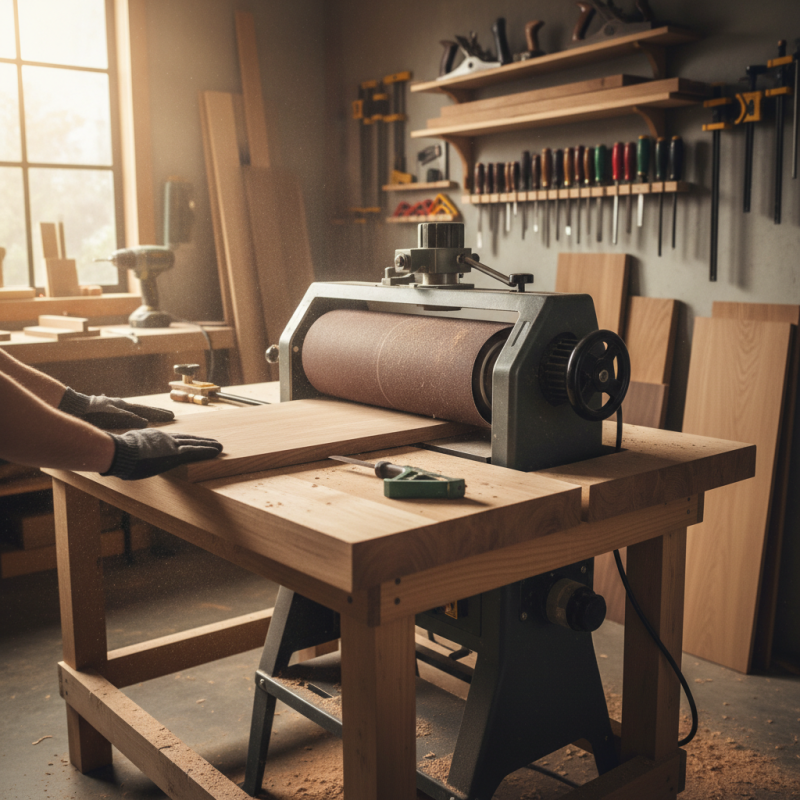
Drum sanders play a crucial role in woodworking. They are designed to smooth surfaces efficiently and uniformly. This tool works by rotating an abrasive drum against the wood. As the wood passes through, it removes imperfections and creates a flat, even surface. The process can be quick but needs careful attention.
Using a drum sander requires practice. It's easy to over-sand one area, creating dips. This can ruin the wood’s aesthetics and overall feel. It’s essential to test the settings before starting on the actual piece. Experimentation with different grit levels helps achieve the desired finish. Remember, sanding too aggressively can lead to mistakes that are hard to fix.
Proper maintenance of the sander is equally important. Regularly replacing sandpaper prevents tearing and improves performance. However, even with maintenance, issues can arise. A belt might slip or the motor may overheat. These challenges are part of the learning process. Each experience offers valuable lessons, and each mistake can lead to better results in future projects.
Key Features to Consider When Selecting a Drum Sander
When selecting a drum sander, there are several key features to consider. The size of the drum plays a crucial role. A larger drum can cover more area quickly, but it may be harder to maneuver. On the other hand, a smaller drum offers better control but requires more passes. It's essential to find a balance between speed and precision.
Another critical aspect is the motor power. A robust motor ensures even sanding. It can handle tougher materials and maintain consistent speed. Look for wattage or amp ratings to gauge power. Additionally, dust collection systems are vital. An efficient vacuum system reduces mess and keeps the workspace clean. A cleaner area leads to better woodworking outcomes.
Consider the sander's weight and portability too. Heavier models may provide stability but can be cumbersome. Conversely, lightweight sanders are easier to move but might lack durability. Each choice comes with trade-offs. Ultimately, reflect on your specific needs and projects. The perfect sander may not exist, but understanding your priorities can lead to better decisions.
Comparison of Top 10 Drum Sanders: Specifications and Performance
When choosing a drum sander, specifications can make a big difference in performance. Look for models that feature adequate motor power. A stronger motor can handle tougher wood types. For example, sanders with at least 1.5 horsepower often deliver better results.
In addition to power, consider the drum size. Larger drums offer a wider sanding surface, which can speed up the workflow. However, smaller drums might be easier to control. Always keep in mind the weight of the sander. Heavier models may produce smoother finishes, but they can be cumbersome during use.
Dust collection systems are crucial too. Effective dust management not only keeps the workspace clean but also improves visibility while working. Some sanders may lack proper dust collection, leading to frustrations. Make sure to check the reviews about this feature. Performance varies widely among different models, and personal experience often tells the real story behind each tool.
10 Best Drum Sanders for Perfect Woodworking Projects
| Model |
Weight (lbs) |
Sanding Width (in) |
Motor Power (HP) |
Speed (RPM) |
Price ($) |
| Model A |
50 |
12 |
1.5 |
1750 |
350 |
| Model B |
60 |
16 |
2.0 |
1600 |
425 |
| Model C |
55 |
20 |
2.5 |
1800 |
500 |
| Model D |
48 |
10 |
1.0 |
1400 |
300 |
| Model E |
70 |
24 |
3.0 |
2000 |
600 |
Industry Recommendations: Best Brands for Drum Sanders
When delving into woodworking, selecting the right drum sander is essential. The market offers various brands. Some are known for their reliability and quality. Others might falter in performance. It’s crucial to research and understand what each brand offers. Reading through user reviews can provide valuable insights. Some sanders excel in achieving smooth finishes, while others struggle with consistency.
Look for brands that prioritize durability. A sander that breaks down easily can be frustrating. Maintenance is another factor to consider. Simpler models might seem appealing but could lead to issues down the road. Pay attention to features such as dust collection systems. They can significantly affect your workspace. A messy environment can hinder creativity and efficiency.
Not every sander will fit every project. Your choice should reflect your specific needs. Each woodworker has unique preferences. Experimenting with different brands can lead to unexpected outcomes. Don't shy away from seeking advice from seasoned professionals in the field. Their experiences often shed light on the challenges of using various models. Reflecting on your choices can help refine your woodworking skills over time.
Maintenance Tips for Maximizing Drum Sander Lifespan
Taking care of your drum sander is essential. Regular maintenance can significantly extend its lifespan. Start by cleaning the sander after each use. Dust and residue can accumulate, affecting performance. Use a soft brush to remove debris from the drum. Don’t forget to clean the dust collection bags. If they become too full, airflow will decline, causing strain on the motor.
Check the sanding drum for wear. If you notice uneven surfaces, it may be time to replace the sandpaper. Ensure you’re using the correct grit for the job; the wrong choice can lead to less-than-perfect results. Tighten the belts regularly. Loose belts can slip, causing inefficiency and frustration. Keeping a maintenance schedule can help you avoid these issues.
Pay attention to the motor as well. Overworking can lead to overheating. Allow the machine to cool down if it feels excessively hot. Lastly, store the sander in a dry place, free from extreme temperatures. This simple step can prevent rust and damage. Reflecting on your usage and maintenance habits can yield better performance over time.