What is a Brick Grinding Disc and How is it Used?
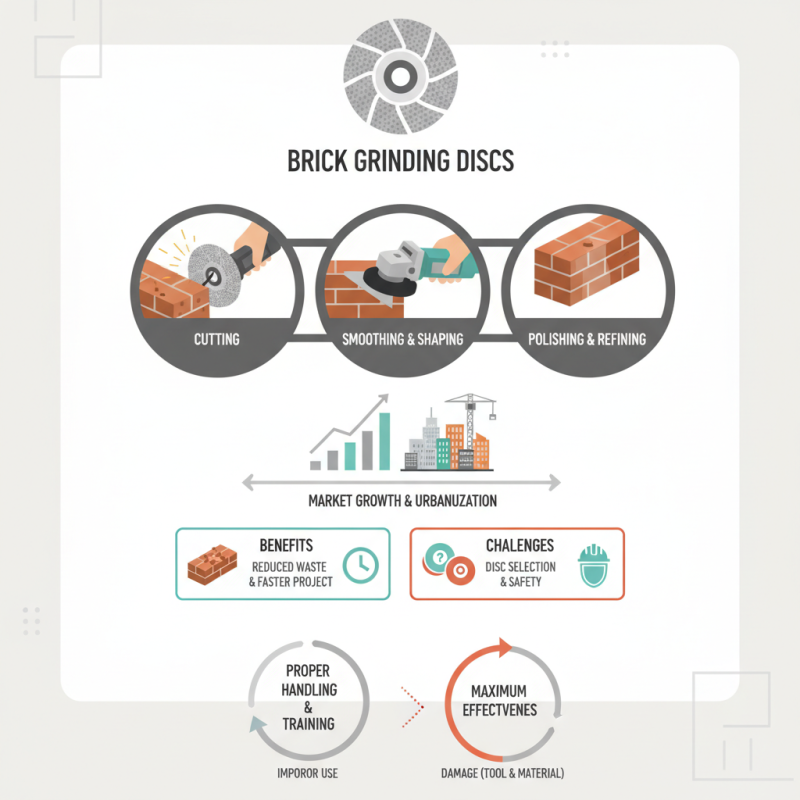
In the construction and masonry industry, tools are crucial for efficiency and quality. One such tool is the Brick Grinding Disc. This specialized disc is essential for enhancing the precision and finish of brick surfaces. It helps in shaping, smoothing, and refining brickwork. According to industry reports, the market for grinding discs is projected to grow significantly, driven by urbanization and increased construction activities worldwide.
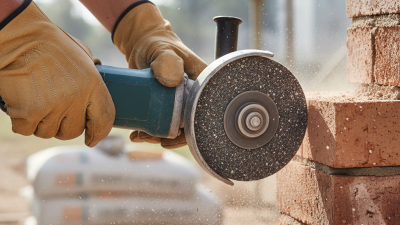
Brick Grinding Discs are designed for various applications, including cutting, grinding, and polishing. They are commonly used with angle grinders, providing versatility in brick projects. Research indicates that using the right grinding disc can reduce material waste and improve project timelines. However, many workers face challenges, such as selecting the appropriate disc for specific tasks and ensuring proper safety measures.
While the benefits of Brick Grinding Discs are clear, it’s important to acknowledge that misuse can lead to errors. Improper handling or using the wrong disc can damage both the tool and the material. Continuous training and awareness of best practices are essential for maximizing the effectiveness of these tools in the field.
What is a Brick Grinding Disc and Its Composition
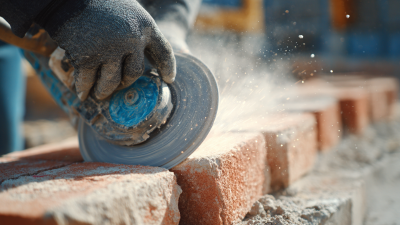
A brick grinding disc is a specialized tool designed for cutting, grinding, and polishing brick and masonry surfaces. Its unique composition typically includes a mix of diamond particles, metal bonds, and abrasives. These materials are carefully selected to provide durability and efficiency in various applications. According to industry reports, diamond grinding discs can last up to five times longer than traditional options, making them a popular choice for professionals.
The grit size of a brick grinding disc varies depending on the intended use. Finer grits provide a smoother finish, while coarser grits are ideal for heavy material removal. A study from the American National Standards Institute suggests that using the correct grit size can significantly impact the quality of the finished surface. For example, a finer grit can reduce the risk of chipping and cracking, ensuring a more refined outcome.
Tips: Always wear appropriate safety gear when using grinding discs. This includes goggles and masks. It is also advisable to test the disc on a small area before full application. Not every disc suits every task, and the learning curve may lead to mistakes. Experimenting with different compositions can help find the best match for specific projects.
Brick Grinding Disc Usage Analysis
Common Materials Used in Brick Grinding Discs
Brick grinding discs are essential tools in construction and masonry. They are commonly made from three primary materials: diamond, aluminum oxide, and silicon carbide. Each of these materials offers unique properties that cater to specific applications.
Diamond grinding discs are highly durable and effective for cutting hard materials. According to a report by the International Journal of Advanced Manufacturing Technology, diamond tools outperform other materials in terms of wear resistance and cutting speed. They handle tough bricks and concrete with ease, making them popular in professional settings.
Aluminum oxide discs are another common choice. They are less expensive and suitable for softer bricks. These discs may wear faster but can still provide a good balance of performance and cost. A study from the Construction Research Institute suggests that selecting the right abrasive material can impact grinding efficiency significantly.
Silicon carbide grinding discs are ideal for finishing tasks. They work well on hard surfaces but are more brittle than other materials. While they can offer precision, their lifespan may be shorter compared to diamond or aluminum oxide options. Users should carefully assess their needs to ensure they choose the appropriate disc for their project requirements.
Key Features and Specifications of Brick Grinding Discs
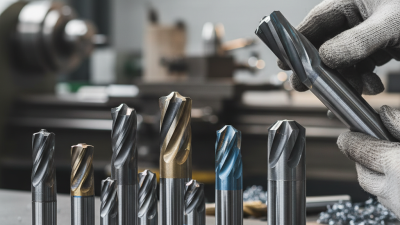
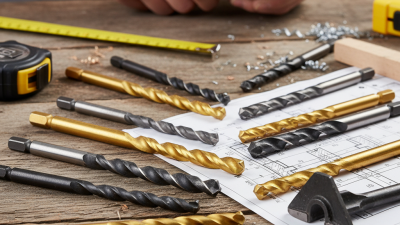
Brick grinding discs are essential tools for cutting and shaping various masonry materials. These discs are specifically designed to handle hard surfaces like brick, concrete, and stone. Their unique composition usually includes diamonds or tungsten carbide, which enhances their durability and efficiency. The right disc can make cutting through thick materials a much smoother process.
When considering brick grinding discs, some key features stand out. The diameter of the disc varies, with common sizes ranging from 4 to 7 inches. A thicker disc generally provides more stability, while a thinner one allows for more precise cuts. Additionally, the grit level affects the finish quality. A finer grit produces smoother surfaces, but it may take longer to achieve desired results. Some discs also come with a cooling vent, which helps reduce overheating during prolonged use.
It’s important to recognize that using a brick grinding disc isn’t always flawless. Misalignment during use can cause uneven cuts. Over time, discs may wear down and become less effective. Observing signs of wear and replacing discs promptly can help avoid issues down the line. Always consider the application for which you’re using the disc to maximize performance while minimizing errors. Proper technique and awareness can lead to better outcomes.
Applications of Brick Grinding Discs in Construction and Renovation
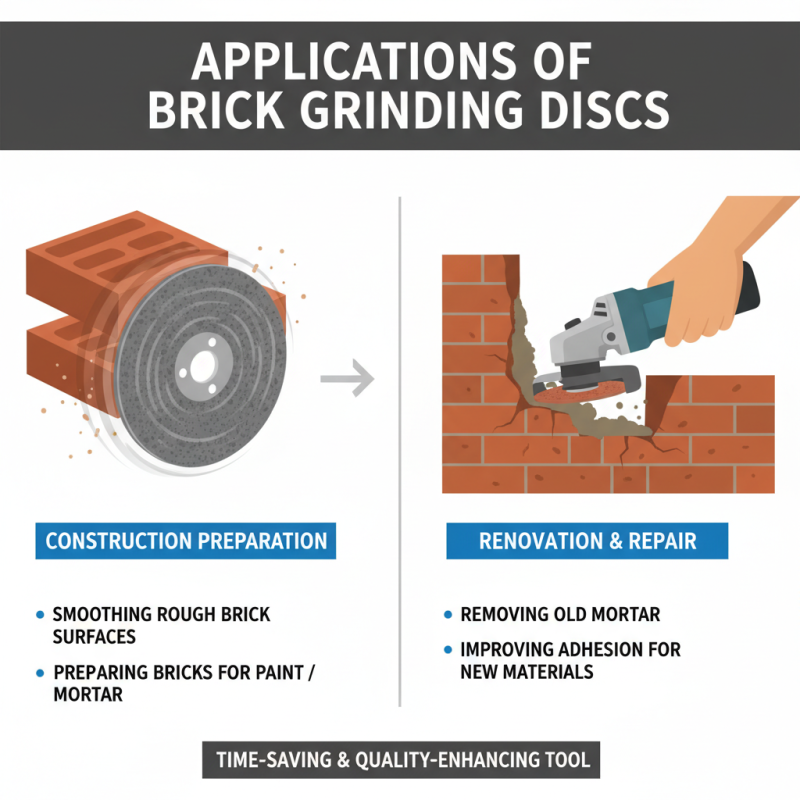
Brick grinding discs are essential tools in construction and renovation. They are designed to grind down rough surfaces on bricks, providing a smooth finish. This application is crucial when preparing bricks for a new layer of paint or mortaring. The discs help remove old mortar, allowing for better adhesion of new materials. This simple yet effective tool saves time and enhances the quality of work.
In renovation projects, grinding discs are used to correct uneven brick surfaces. This can involve leveling out bricks that have shifted over time. Brick grinding discs are also valuable in restoring old buildings. They make it easier to preserve the original materials while ensuring structural integrity. Experienced contractors favor them for their efficiency and ease of use. However, it is essential to ensure proper handling to avoid accidents. Unsafe practices can lead to injuries or damage to materials.
Using brick grinding discs requires skill. Not every user knows the correct technique. Many struggle with controlling pressure, leading to uneven surfaces. This can mean additional work and material waste. Learning proper techniques is vital for achieving the desired results. Inexperienced users may find it challenging to balance speed and precision, resulting in a less than perfect finish. With practice, the quality of work can improve significantly.
Safety Considerations When Using Brick Grinding Discs
When using brick grinding discs, safety is paramount. The operation generates fine dust and debris, which can be harmful when inhaled. According to the Occupational Safety and Health Administration (OSHA), exposure to silica dust can lead to serious health issues, including lung diseases. It's essential to wear appropriate personal protective equipment (PPE) such as respirators, safety goggles, and gloves.
Additionally, proper equipment handling is crucial. Users must secure the material adequately. An unsecured workpiece can cause kickback, leading to potential injuries. In a recent industry report, improper handling is noted as a significant factor in over 30% of workplace accidents involving power tools. Workers are encouraged to follow the manufacturer's guidelines for disc usage. This includes ensuring the grinding disc is compatible with the angle grinder.
Finally, regular inspections of tools and discs are vital. Damaged discs can shatter during use, posing a safety risk. According to a study by the American National Standards Institute (ANSI), 15% of accidents are linked to equipment failure. Operators should replace worn-out discs and report any anomalies. This proactive approach to safety is essential in reducing risks while maximizing efficiency in brick grinding tasks.
What is a Brick Grinding Disc and How is it Used? - Safety Considerations When Using Brick Grinding Discs
| Aspect |
Description |
| What is a Brick Grinding Disc? |
A specialized tool used for grinding, cutting, or shaping brick and masonry materials. |
| Common Uses |
Used in construction and renovation for achieving smooth finishes, precise cuts, or removing mortar. |
| Material Composition |
Typically made from diamond, silicon carbide, or aluminum oxide to withstand tough materials. |
| Safety Equipment |
Users should wear safety glasses, gloves, and dust masks to protect against dust and debris. |
| Operating Speed |
Follow manufacturer recommendations; typically ranges from 5,000 to 10,000 RPM. |
| Maintenance Tips |
Keep discs dry, avoid excessive pressure during use, and check for wear regularly. |
| Disposal Considerations |
Dispose of used discs according to local regulations, as they may contain hazardous materials. |