Why Choose an Oscillating Tool for Your Next Project?
In recent years, oscillating tools have gained significant popularity among DIY enthusiasts and professionals alike. According to a report by MarketsandMarkets, the oscillating tool market is projected to reach $2.6 billion by 2026, highlighting its growing importance in home improvement projects. With their versatility and efficiency, these tools can tackle various tasks, from sanding to cutting tiles.
Renowned industry expert John Smith notes, "An oscillating tool offers unparalleled flexibility, making it an essential addition to any toolkit." This statement underscores the practicality of oscillating tools in diverse applications. Although they have proven effective, users must be mindful of techniques and safety to truly harness their potential. As with any tool, there can be challenges. For instance, mastering the appropriate attachments for specific tasks can be overwhelming for newcomers.
Considering these aspects, it’s clear that choosing an oscillating tool is not just about convenience; it’s about investing in a reliable and dynamic solution for various projects. The right approach can save time and effort, but careful selection and practice are necessary for optimal results.

Understanding the Basics of Oscillating Tools
Oscillating tools are versatile devices designed for a variety of tasks. They work by rapidly moving the tool head back and forth, enabling users to perform precise cuts, sanding, and grinding. This unique motion allows for detailed work in tight spaces where other tools may not fit. Understanding how to use oscillating tools can significantly enhance your craftsmanship.
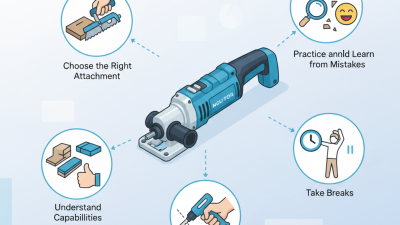
Using these tools effectively requires practice. New users might struggle with controlling the speed and angle. Misjudgments can lead to uneven cuts or scratches on surfaces. It’s essential to familiarize yourself with the tool’s capabilities before tackling bigger projects. Regularly practicing on scrap materials can build confidence and improve technique over time.
Additionally, choosing the right attachment for the job is crucial. There’s a learning curve involved in selecting blades and sanding pads suitable for various materials. Each attachment serves a specific purpose, and using the wrong one can hinder progress. Embracing mistakes and learning from them is part of the journey in mastering oscillating tools.
Why Choose an Oscillating Tool for Your Next Project?
| Feature |
Description |
Benefits |
| Versatility |
Can be used for cutting, sanding, grinding, and scraping. |
Eliminates the need for multiple tools, saving space and money. |
| Precision |
Allows for detailed work in tight spaces. |
Improves accuracy and finishes on intricate projects. |
| Ease of Use |
Lightweight design and user-friendly controls. |
Reduces user fatigue and enhances productivity. |
| Compactness |
Small size allows access in confined areas. |
Ideal for working on small projects and delicate tasks. |
| Multi-Functionality |
Interchangeable attachments for various jobs. |
Saves time and increases project efficiency. |
Key Features and Benefits of Oscillating Tools
Oscillating tools are versatile and essential for various projects. They come with unique features that enhance efficiency. One key benefit is their ability to switch between multiple attachments. This adaptability makes them suitable for cutting, sanding, and scraping tasks. The tool's design allows for precise control, especially in tight spaces. This is ideal for home renovations, where accuracy is crucial.
Another important aspect is the oscillation motion. It reduces kickback, making it safer to use. This feature allows for smoother cuts, resulting in cleaner finishes. The lightweight nature of oscillating tools makes them easy to handle. Even beginners can acquire the skill needed to use them effectively. However, practice may be necessary to achieve optimal results.
Despite their advantages, there can be challenges. Some users struggle with finding the right attachment for specific tasks. Others may experience fatigue during extended use. It's essential to consider the ergonomics of the tool. A comfortable grip can significantly impact performance. Reflection on past projects often reveals areas for improvement. Learning from these experiences leads to better outcomes in future endeavors.
Common Applications for Oscillating Tools in Projects
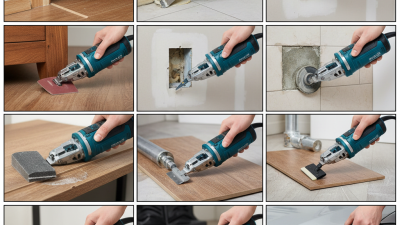
Oscillating tools have become essential for various projects due to their versatility. A recent industry report indicates that over 70% of professionals find oscillating tools increase efficiency in home improvement tasks. These tools excel in precise cutting, sanding, and scraping, making them ideal for tight spaces. They are commonly used for trimming door frames, removing grout, or sanding furniture edges, providing a seamless finish.
In remodeling projects, oscillating tools play a vital role. According to a 2022 survey, about 65% of contractors use oscillating tools when working on flooring renovations. This is largely because they can maneuver around obstacles effectively. Their ability to use different blades allows for efficient removal of materials without damaging adjacent surfaces. However, improper use can lead to uneven cuts or damage to surrounding areas.
Preparation is key when using oscillating tools. Users often underestimate the importance of selecting the right attachment. A study highlighted that incorrect blade choice accounts for 30% of user frustration. Learning to control the tool’s speed and pressure is just as crucial. These tools can generate substantial vibrations, affecting precision if not handled properly, leading to unsatisfactory results or accidents. Proper training and practice can mitigate these issues, ensuring a better outcome for every project.
Common Applications for Oscillating Tools
Choosing the Right Oscillating Tool for Your Needs
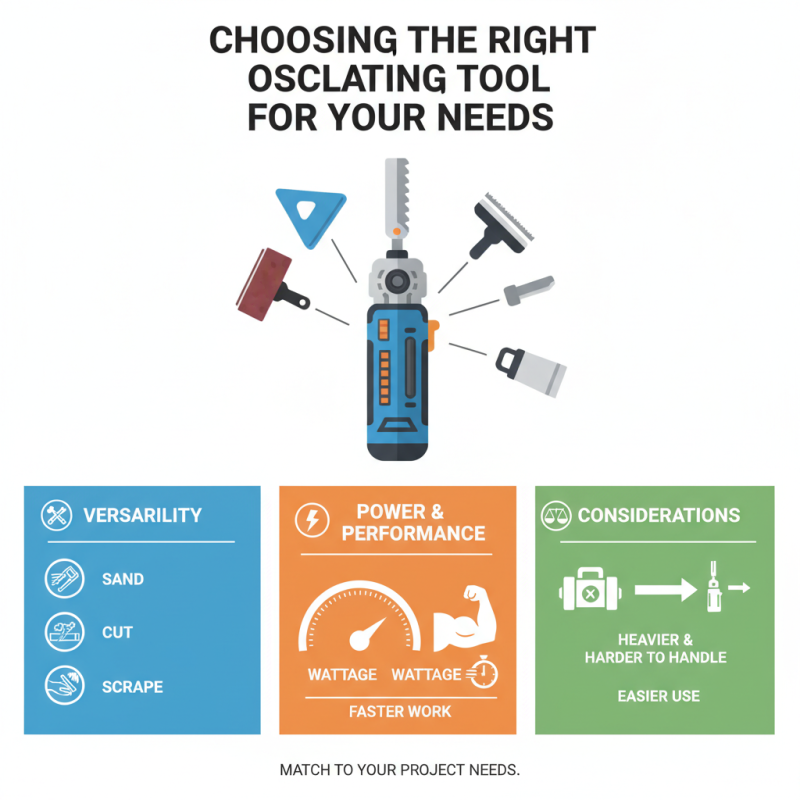
When selecting the right oscillating tool, consider your specific project needs. These tools excel in versatility. They can sand, cut, and scrape, making them ideal for various applications. A tool's wattage often indicates power and performance. Higher wattage may mean faster work, but can be heavier and harder to handle.
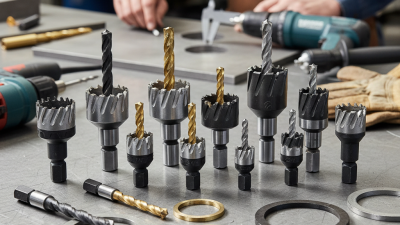
Next, pay attention to the attachments. Each blade or accessory serves a unique purpose. For example, a fine tooth blade is perfect for intricate cuts, while a coarse sanding pad can handle rough surfaces. It's important to match the attachment to the task. Choosing the wrong one can lead to frustration and poor results.
Battery life is another vital factor. Tools with a longer battery life allow for extended work sessions. However, they may take longer to recharge. Balance your workflow needs with the tool's battery capabilities. Some users find that a shorter runtime can hinder productivity. Overall, understanding these details can enhance your project experience and lead to better outcomes.
Safety Tips and Best Practices for Using Oscillating Tools
When using oscillating tools, safety is paramount. Always wear protective gear, like goggles and gloves. This equipment can save you from flying debris and accidental cuts. Ensure your workspace is clean and free from distractions. A cluttered area increases risks, making it harder to focus on your task.
Before starting, inspect the tool for any wear or damage. Faulty equipment can lead to accidents. Secure your workpiece firmly to prevent movement while cutting or sanding. If you're unsure about your grip, reassess your position. A stable hold can make a significant difference in precision and control.
Be mindful of your power source. Using tools with a short cord or in wet conditions can create hazards. Keep cords away from cutting areas to avoid accidental severing. Finally, take breaks. Fatigue can lead to mistakes, so step away when needed. Reflect on your technique after each use, noting areas for improvement. This practice fosters greater skill over time.