How to Choose the Best Drywall Sanding Pads for Your Project?
Choosing the right drywall sanding pads can significantly impact your project’s outcome. Expert contractor Mark Jennings says, “The right pad can save time and improve finish quality.” Selecting the best sanding pad requires understanding its grit levels, materials, and compatibility with your tools.
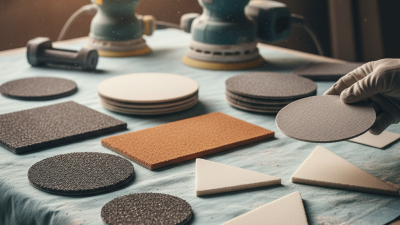
Drywall sanding pads come in various types. They serve different purposes depending on your project’s needs. Each pad has unique features that affect performance, like durability and smoothness. For example, finer pads provide a smoother finish, while coarser ones help remove material quickly. Knowing these differences is crucial for optimal results.
It is common for DIYers to overlook the importance of choosing the right drywall sanding pads. Many rush through the selection, leading to unsatisfactory outcomes. A thoughtful approach can make a noticeable difference in your final results. Make sure you evaluate your project requirements thoroughly. This careful consideration can prevent wasted time and material.
Factors to Consider When Choosing Drywall Sanding Pads
Choosing the right drywall sanding pads can greatly impact your project. One crucial factor is the grit size. Finer grits are essential for achieving a smooth finish. Conversely, coarser grits help remove material quickly. You should consider the surface condition before selecting the grit level.
Another important aspect is the pad material. Different materials offer varying durability and performance. For instance, some pads are designed for wet sanding, making them ideal for specific tasks. You need to evaluate the materials used in your project and choose accordingly. It's essential to think about the intended use and longevity.
Also, consider the pad's compatibility with your sanding tool. Some pads work better with certain tools. A misfit can lead to inefficiency and frustration. Take time to check the specifications of your tool. Not all pads will fit perfectly. This attention to detail can save you time and effort during your sanding project. Don't overlook these factors as they can drastically influence your final results.
Understanding Different Grit Levels for Drywall Sanding
Selecting the right drywall sanding pads is essential for achieving a smooth finish. Understanding different grit levels is a critical aspect of this process. Grit is a measure of the coarseness of the abrasive material used in sanding pads. Lower grit numbers, such as 60 or 80, are coarser and suitable for aggressive sanding. They remove material quickly but can leave deep scratches. This is useful for initial stages of sanding.
Medium-grit options, like 120 or 150, are better for smoothing surfaces after the coarse sanding. They refine the work and prepare it for finer sanding. High-grit pads, usually above 180, are perfect for final finishes. They produce minimal scratch marks, which is crucial for paint adhesion. A study from the Sanding Association indicates that using the correct grit can enhance project quality by up to 30%.
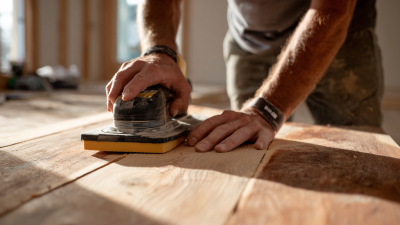
However, selecting the right grit can be challenging. Many inexperienced users tend to over-sand with lower grits, causing damage to the drywall surface. It's important to be mindful of the sanding technique used. Operating at the right angle and pressure evenly distributes wear, helping avoid flaws. Testing different grits on scrap pieces might illuminate the best approach before tackling the main project.
How to Choose the Best Drywall Sanding Pads for Your Project?
| Grit Level |
Use Case |
Recommended Applications |
Recommended Techniques |
| 60-80 |
Heavy Material Removal |
Removing old paint, smoothing rough patches |
Use with a hand sander, apply even pressure |
| 120 |
Intermediate Smoothing |
Preparing surfaces for painting, smoothing joint compound |
Keep sander flat, work in circular motions |
| 220-240 |
Final Finishing |
Final touch-ups, preparing for finishes |
Light pressure, quick passes for a smooth feel |
| 400+ |
Ultra Fine Finishing |
Polishing, prepping for high-gloss finishes |
Very light strokes, minimal pressure |
Types of Materials Used in Drywall Sanding Pads
When selecting drywall sanding pads, understanding the materials used is crucial. Common materials include aluminum oxide, silicon carbide, and garnet.
Aluminum oxide is a popular choice due to its durability and versatility. This material is effective for both rough and fine sanding tasks. Industry reports indicate that sanding pads made from aluminum oxide offer up to 50% longer lifespan compared to other materials.
Silicon carbide pads are known for their sharpness. They excel in sanding wet surfaces and are often used for automotive applications. However, they tend to wear out quicker than aluminum oxide pads. Users should be mindful of their specific project needs when choosing between these materials. The International Journal of Construction Engineering and Management notes that improper material selection can lead to increased time spent on projects, impacting overall efficiency.
Garnet sanding pads are less common but provide a unique texture. They produce a finer finish, making them ideal for final sanding stages. Despite their advantages, they can be more expensive and less durable than synthetic options. Before committing to any pad type, evaluating your project requirements is essential. Sticking to one material may hinder the quality of your work, and experimenting with different types could yield better results.
Comparing Sanding Pads: Hook-and-Loop vs. Adhesive
When comparing drywall sanding pads, the choice often boils down to hook-and-loop versus adhesive options. Hook-and-loop pads are popular due to their convenience. They allow for quick changes without wasting time on adhesives. In contrast, adhesive pads tend to provide a tighter grip, which can be beneficial for heavy-duty sanding tasks. A study from the National Association of Home Builders noted that many professionals preferred hook-and-loop systems for ease of use, especially for larger projects.
Choosing the right pad can significantly impact your workflow. Hook-and-loop pads can be reused multiple times, reducing waste. Adhesive pads, while typically less expensive, may require frequent replacements, which could increase costs. According to industry reports, users noted that hook-and-loop systems offer better versatility across various surfaces. However, some users found it frustrating if the pad detaches unexpectedly during sanding.
When deciding which to use, consider the scale of your project. For larger areas, hook-and-loop pads are efficient and time-saving. For finer work, adhesive pads might offer better control. Reflect on your experience; if you struggle with fast changes, hook-and-loop could be your best option. But if you prioritize solid adhesion, adhesive might be worth the hassle.
Comparison of Hook-and-Loop vs. Adhesive Drywall Sanding Pads
Tips for Maintaining and Storing Drywall Sanding Pads
Proper maintenance and storage of drywall sanding pads can significantly extend their lifespan. After each use, clean the pads thoroughly to remove dust and debris. This ensures they remain effective for your next project. Using a brush or compressed air can be helpful. Avoid using water as it can damage the materials. Store the pads in a cool, dry place to prevent moisture damage.
When storing, categorize the pads by grit. This makes it easier to find the right pad for your needs. Consider using a labeled container to keep them organized. Take time to inspect them regularly. Look for wear and tear that could impact performance. If a pad appears compromised, it's wise to replace it. This habit can save you time and effort during future projects.
Reflecting on your maintenance routine can lead to improvements. Are you cleaning your pads consistently? How often do you check for damage? Staying aware of these factors keeps your tools efficient. A little attention goes a long way in ensuring quality results in your drywall projects.