How to Choose the Right Miter Saw Blade for Your Projects?
Choosing the right Miter Saw Blade can significantly influence the quality of your woodworking projects. A good blade not only enhances your cuts but also affects the overall efficiency of your work. With various types available, selecting a blade may seem daunting. Each blade serves a different purpose, targeting specific materials like wood, metal, or composites.
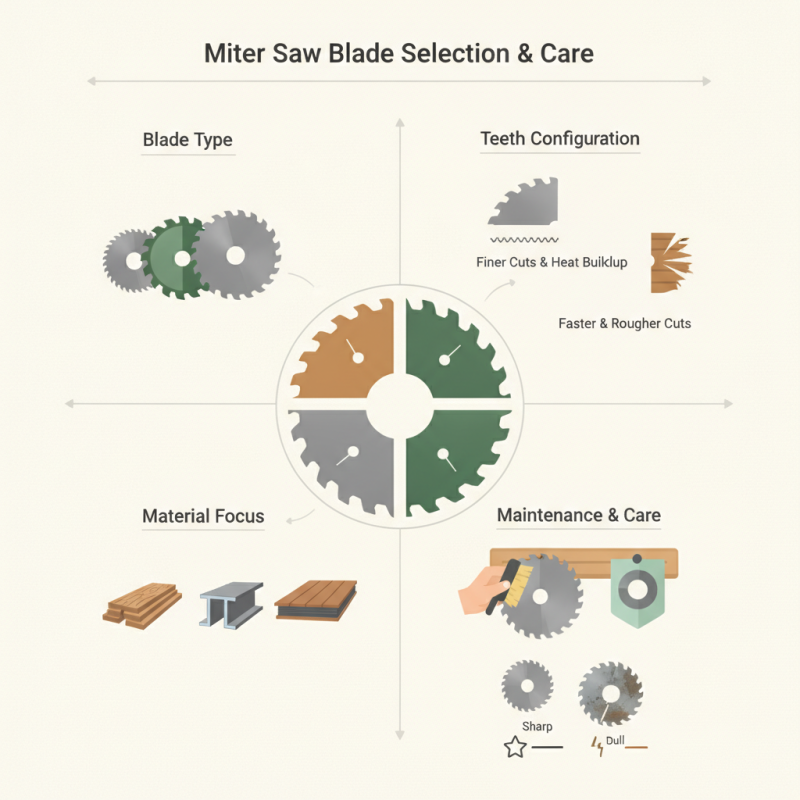
Understanding the teeth configuration is critical. More teeth may provide finer cuts but can lead to heat buildup. Fewer teeth usually mean rougher cuts, but they cut faster. Consider your project needs before making a decision. Not all Miter Saw Blades are created equal, and choosing the wrong one can lead to frustration and wasted materials.
Many users overlook the importance of maintenance. A dull blade can ruin the precision you expect from a miter saw. Regular cleaning and proper storage can extend the life of your blade. Ultimately, a thoughtful selection process will lead to better results, allowing you to reflect on the craftsmanship you aspire to achieve.
Understanding the Different Types of Miter Saw Blades
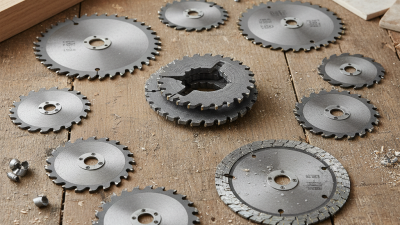
Choosing the right miter saw blade can greatly impact your project's outcome. Understanding the different types of miter saw blades is crucial for optimal cutting performance. Generally, blades can be classified into crosscut, rip, and combination blades. Crosscut blades, for instance, have more teeth and are designed to cut across the grain of wood. They provide smoother finishes, essential for visible cuts.
Reports suggest that blades with thin kerfs are preferred for speed and reduced waste. In contrast, thicker blades offer durability, but may require more power. Many professionals recommend using blades with at least 80 teeth for fine finishes on plywood and other materials. This detail can make a significant difference in quality, especially for intricate designs.
However, blade choice isn't always straightforward. An ill-suited blade could cause tear-out or chipping on sensitive materials. This aspect can lead to wasted time and resources. It's essential to assess your specific project needs carefully. Each type of blade has unique properties, making it vital to choose wisely for your desired finish. The wrong choice may mean extra work in the long run.
Choosing the Right Miter Saw Blade for Your Projects
Evaluating Blade Materials and Their Benefits for Your Projects
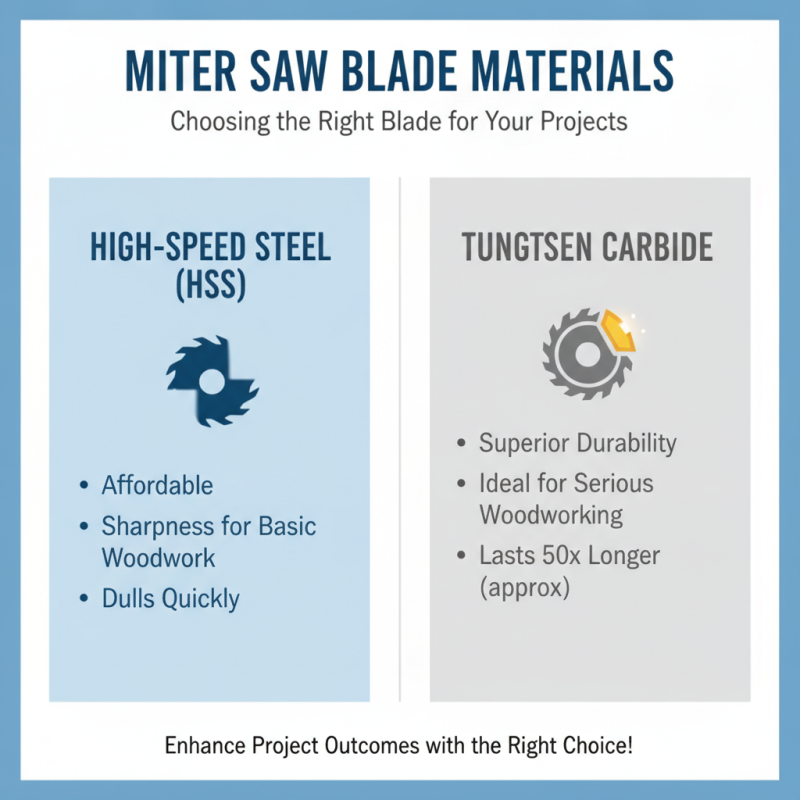
Choosing the right miter saw blade can significantly influence your project outcomes. Blade material plays a crucial role in performance and longevity. High-speed steel (HSS) blades are common for their affordability and sharpness. They are effective for basic woodwork but can dull quickly. Tungsten carbide blades, often recommended for serious woodworking, offer better durability. Reports indicate that carbide-tipped blades can last up to 50 times longer than HSS blades in certain applications.
Another material to consider is diamond. While they are mainly used for specialty cutting, diamond blades provide excellent longevity for tough materials. They withstand heat better, leading to fewer replacements during projects. A study noted that diamond blades maintained performance on abrasive materials for extended periods, suggesting they might be beneficial for heavy-duty tasks.
Understanding these materials' benefits necessitates honest evaluation. We often underestimate the performance differences in blade choices. Project needs might dictate a more costly investment in high-quality blades. Despite their higher upfront cost, they can save time and money in the longer term. This reflection encourages careful consideration of blade selection based on specific project demands rather than sticking to old habits or preferences.
Choosing the Right Tooth Count for Specific Cuts
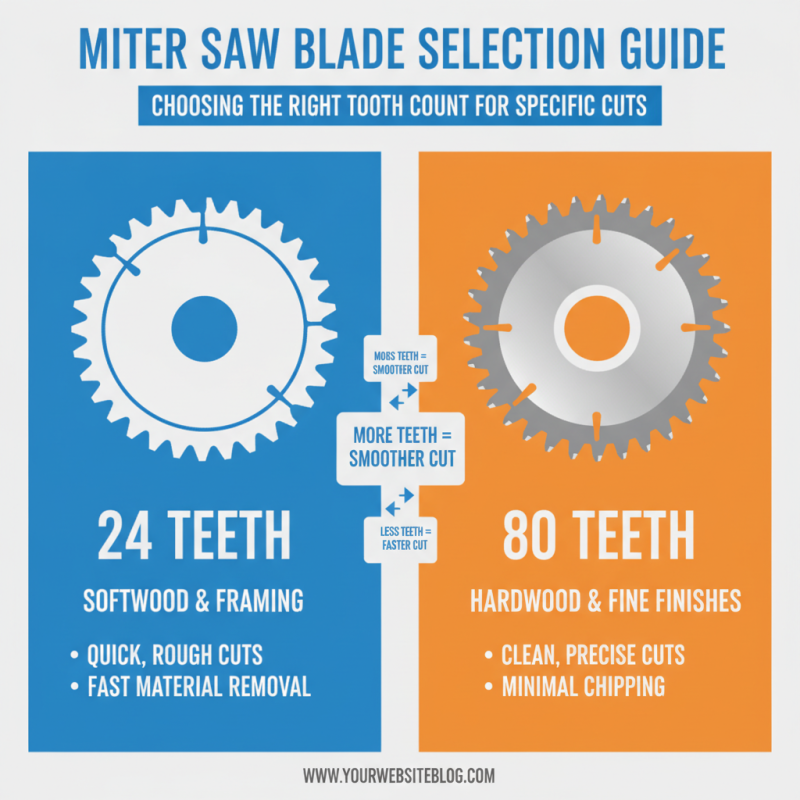
Choosing the right tooth count for a miter saw blade is crucial for achieving precise cuts in your projects. A blade with fewer teeth, such as 24, is ideal for making quick, rough cuts in softwood. This option helps clear out material quickly but can be rough on the edges. It’s great for general framing work but may leave a less-than-perfect finish.
On the other hand, blades with higher tooth counts, like 60 or 80 teeth, are designed for cleaner, smoother cuts. These blades excel with hardwood or when working on delicate materials. However, they cut slower and can overheat if used improperly. Balancing speed and finish quality depends significantly on your project requirements. Sometimes, you might find yourself needing to switch between blades more often than expected. Adapting to this need is part of mastering the use of miter saws.
Understanding the impact of tooth count on performance can save time and frustration. A cut that looks perfect can sometimes surprise you with hidden imperfections. Testing different blades on scrap wood can help you gauge what works best for your specific needs. It’s a learning process, and every mistake can teach you something valuable for your next project.
Matching Blade Size with Your Miter Saw Specifications
When selecting a miter saw blade, it’s essential to match the blade size with your miter saw specifications. Miter saws come in different sizes, typically ranging from 8 inches to 12 inches. The blade size dictates how deep and wide your cuts can be. If you choose a blade that doesn’t fit, it can lead to unsafe operation and uneven cuts.
Consider the type of projects you'll undertake. For example, larger blades are ideal for cutting thick materials. If you're mainly working with trim and molding, a smaller blade may suffice. Always check the manufacturer's specifications for your saw to ensure compatibility.
Tips: Always measure your miter saw’s arbor size to ensure a proper fit. Double-check the thickness of the blade as well since it impacts the kerf. Using the wrong thickness can affect the quality of your cuts.
Miter saw blades are available for various materials, which adds another layer of complexity. For wood, a standard carbide-tipped blade seems straightforward, but for composites, specialized blades can enhance performance. Researching different types can save you from potential headaches later.
How to Choose the Right Miter Saw Blade for Your Projects?
| Blade Type |
Teeth Count |
Ideal Material |
Blade Diameter |
Application |
| General Purpose |
40 |
Softwood/Hardwood |
10" |
Crosscuts and Miter Cuts |
| Fine Finish |
80 |
Plywood/Composite |
12" |
Detailed Cuts and Finishing |
| Ripping |
24 |
Hardwood |
10" |
Ripping Long Boards |
| Multi-Purpose |
60 |
Softwood/Hardwood/Plywood |
10" |
Versatile Cutting |
| Metal Cutting |
48 |
Metal |
10" |
Cutting Pipes and Sheet Metal |
Considering Special Features and Coatings for Enhanced Performance
When selecting a miter saw blade, special features and coatings can significantly impact performance. Carbide-tipped blades remain popular, offering durability and precision. Research indicates that blades with higher tooth counts produce smoother cuts. For instance, a blade with 80 teeth can create a glass-like finish on hardwoods. However, this efficiency may not always justify the cost for softer materials.
Coatings also play a vital role. Blades treated with anti-stick coatings reduce friction and heat accumulation. This leads to longer blade life and cleaner cuts. According to industry reports, coated blades can last up to 50% longer in certain applications. Nonetheless, users must balance cost against expected usage. Not every project requires a high-end blade, and over-investing can lead to regret.
Choosing the right features means understanding project needs. A specialized blade might not excel in versatility. Sometimes, exploring different options reveals unexpected preferences. Assess the performance versus cost trade-offs carefully to determine the best fit for your work.