What is a Diamond Blade Used for in Construction?
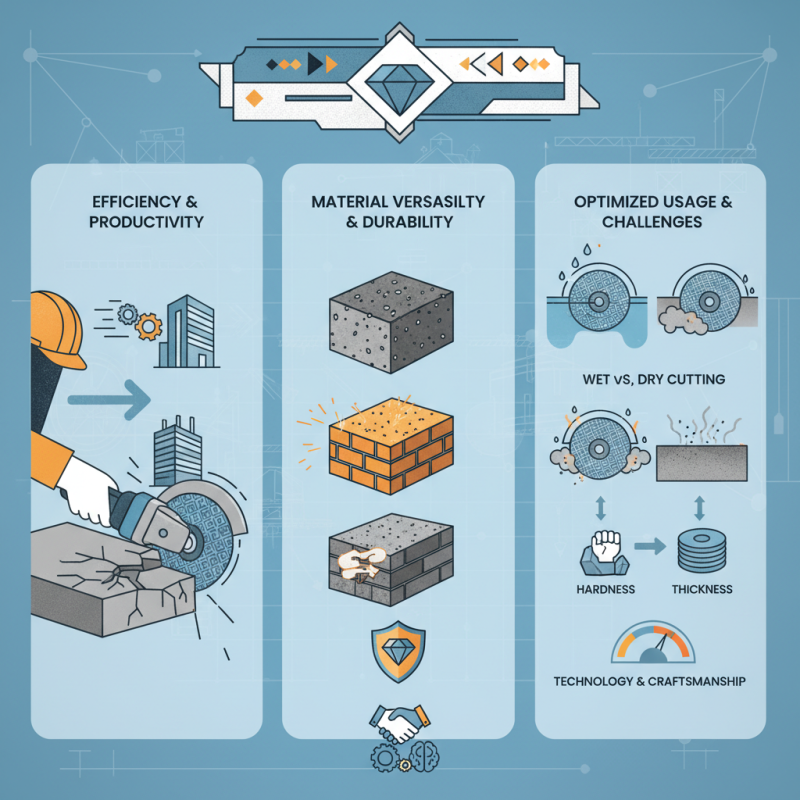
In the world of construction, efficiency is key. One essential tool that enhances productivity is the Diamond Blade. This blade, embedded with diamond particles, is designed for cutting various materials. Known for its durability, it can handle tough tasks such as cutting concrete and asphalt. Its effectiveness allows workers to complete jobs quickly.
Choosing the right Diamond Blade is crucial. Different applications require specific designs and features. For instance, some blades are better suited for wet cutting, while others excel in dry conditions. Understanding these nuances is essential for contractors. It can mean the difference between a job well done and costly mistakes.
Moreover, using a Diamond Blade isn't without challenges. Factors like material hardness and thickness can affect performance. Workers must be aware of these elements to optimize their cutting process. This tool represents a blend of technology and craftsmanship, but it also requires careful consideration to use properly.
Understanding the Basics of Diamond Blades in Construction
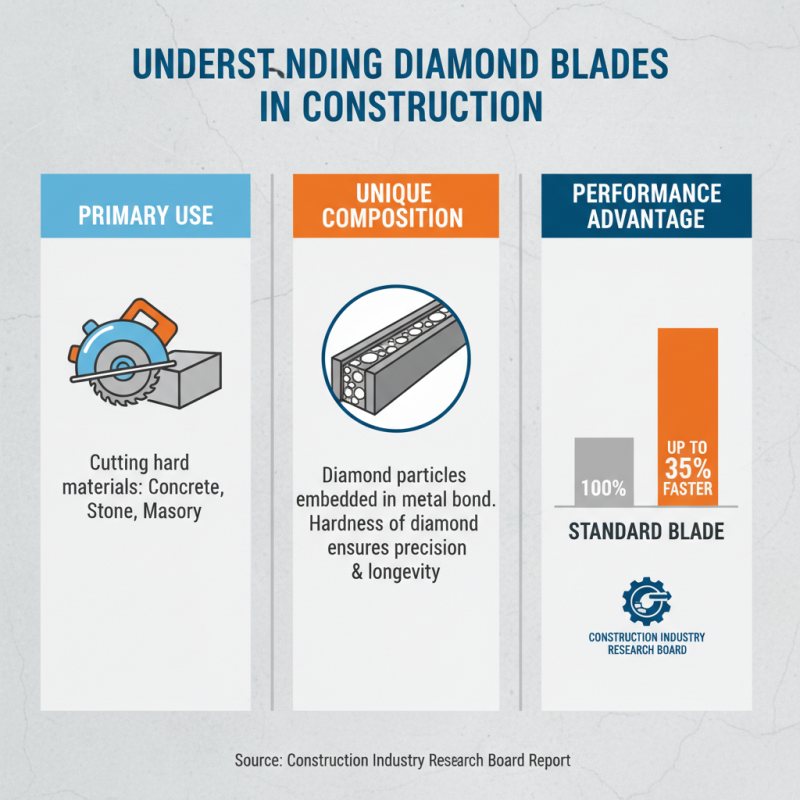
In construction, diamond blades serve a vital purpose. They are specialized tools designed for cutting hard materials like concrete, stone, and masonry. The effectiveness of these blades comes from their unique composition, which incorporates diamond particles. The diamond’s hardness allows for precision cutting and longer tool life compared to traditional blades. According to a report by the Construction Industry Research Board, diamond blades can cut materials up to 35% faster than standard blades.
The versatility of diamond blades is noteworthy. They can be used in various applications, including road construction, flooring installation, and demolition. This adaptability is supported by data from the Engineering and Construction Institute, which reveals that diamond blades account for nearly 40% of all cutting tools used in construction projects. However, it is essential to choose the right blade for specific tasks. Using an inappropriate blade can lead to inefficient cutting and blade wear. Many professionals still face challenges in understanding the nuances of selecting and maintaining these tools properly.
Many users underestimate the significance of blade maintenance, which can drastically affect performance. A dull diamond blade can produce uneven cuts and generate excessive heat, leading to premature wear. Investing time in blade maintenance is critical. Regular cleaning and proper storage help extend the blade's life. Some professionals report improved results from consistent maintenance, but awareness about this is still lacking. Proper training and knowledge can enhance the performance of diamond blades, ensuring quality work in construction projects.
Types of Diamond Blades and Their Specific Uses
Diamond blades are essential tools in construction, specifically designed for cutting various hard materials. Different types of diamond blades cater to distinct tasks. For instance, wet-cut blades are often used for cutting masonry and concrete. The cooling water helps reduce dust and prolongs the blade's lifespan.
On the other hand, dry-cut blades are made for cutting without water, ideal for portable saws. These blades tend to create more dust, making them suitable for outdoor jobs. However, they may overheat if not used carefully. Specialized blades are available for asphalt cutting, featuring a unique design to handle softer materials, yet they require regular inspection to maintain performance.
Interestingly, the choice of blade affects both efficiency and safety on the job site. Misusing the wrong type can lead to accidents or damage to the material. It is vital for construction professionals to understand the specific uses of each diamond blade. This knowledge helps in making informed decisions and enhances productivity in various projects.
What is a Diamond Blade Used for in Construction? - Types of Diamond Blades and Their Specific Uses
| Type of Diamond Blade |
Material Cut |
Application |
Blade Diameter |
| Wet Cutting Blade |
Concrete |
Sawing concrete, brick, and block |
14" - 20" |
| Dry Cutting Blade |
Tile |
Cutting porcelain and ceramic tiles |
4" - 10" |
| Turbo Blade |
Granite |
Rapid cutting of hard materials |
4" - 14" |
| Rescue Blade |
Mixed materials |
Rescue operations in construction sites |
8" - 16" |
| Soft Cut Blade |
Asphalt |
Cutting asphalt and green concrete |
12" - 16" |
How Diamond Blades Work: Cutting Techniques and Technology
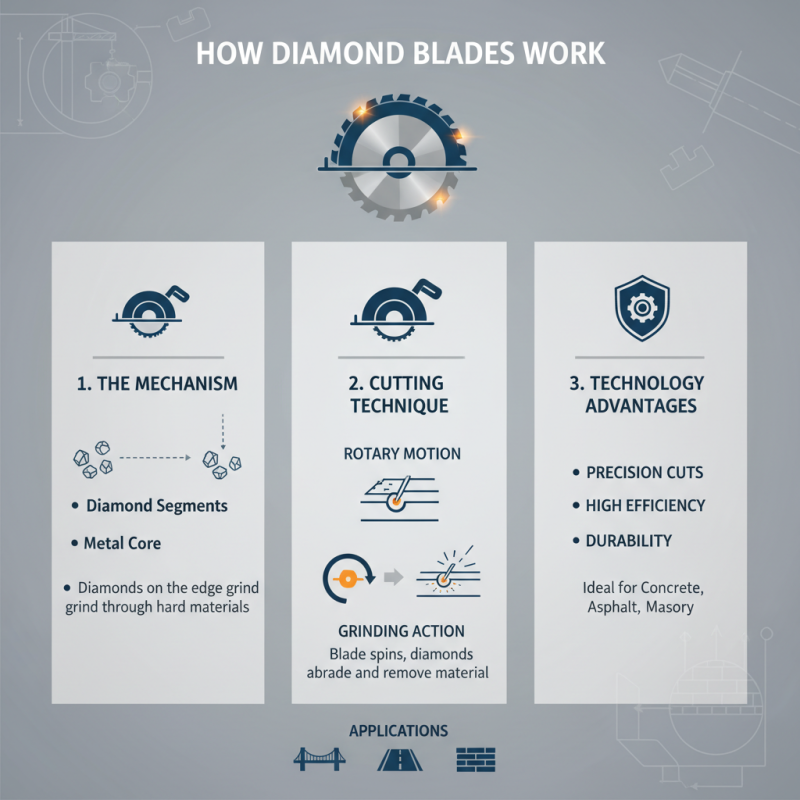
Diamond blades are specialized tools widely used in construction. They incorporate diamond segments attached to a metal core, which enable precise and efficient cutting. This construction design ensures durability during rigorous tasks. The diamonds in the blade allow for cutting through hard materials, such as concrete and asphalt, with minimal effort.
When using a diamond blade, cutting techniques play a crucial role. Operators must select appropriate techniques for different materials. For example, a wet cutting method helps reduce dust and keeps the blade cool. Dry cutting can be more efficient in certain situations but may produce excessive heat and wear. Each method comes with its own challenges, requiring careful consideration to avoid damaging the blade or compromising the cut.
Working with diamond blades requires skill and experience. Incorrect handling may lead to accidents or ineffective cuts. It’s essential for users to maintain the blades properly. Regular inspections and appropriate storage can prolong their lifespan. While diamond blades are effective, users must adapt to varying conditions on job sites. This adaptability ensures that the cutting process remains efficient and safe.
Safety Considerations When Using Diamond Blades
When using diamond blades in construction, safety should always be a priority. These blades are designed for cutting tough materials like concrete and stone. However, improper use can lead to serious injuries. Always wear appropriate personal protective equipment (PPE), including safety goggles and ear protection. Dust can be hazardous, so consider using a wet cutting method to minimize airborne particles.
Before starting a project, assess the workspace. Ensure that the area is clear of obstacles and that you have a firm footing. Secure the material to prevent it from shifting during cutting. Many users may underestimate the power of the blade. It’s essential to remain attentive and focus on the task. A moment’s distraction can lead to accidents.
While diamond blades are durable, they wear out over time. Regularly check for damage or wear. If the blade starts to bend or makes unusual noises, stop using it. Reflect on your experience with diamond blades. Did you prioritize safety? Each cutting task can teach valuable lessons on the importance of proper technique and vigilance.
Maintenance Tips for Maximizing Diamond Blade Lifespan
Diamond blades are essential tools in construction. They are designed to cut through tough materials like concrete, stone, and asphalt. However, to ensure these blades last long and perform well, proper maintenance is key.
Regular cleaning is crucial. After each use, remove dust and debris. A clean blade will cut more efficiently and reduce wear. Check for any signs of damage. This includes cracks or chipping on the segments. Ignoring these signs can lead to premature failure.
Using the right cutting technique also matters. Avoid excessive pressure while cutting. Let the blade do the work. If you push too hard, it can shorten the blade’s lifespan. Cool the blade if it starts to overheat. Water can be an effective coolant. Remember, even small changes to your routine can make a significant impact on the blade's performance.
Usage of Diamond Blades in Construction