Top Tips for Using an Oscillating Tool Effectively?
An oscillating tool is a versatile addition to your toolkit. It can cut, sand, and scrape various materials. However, using this tool effectively requires some skill and knowledge. Many users overlook essential techniques, leading to frustration and less satisfying results.
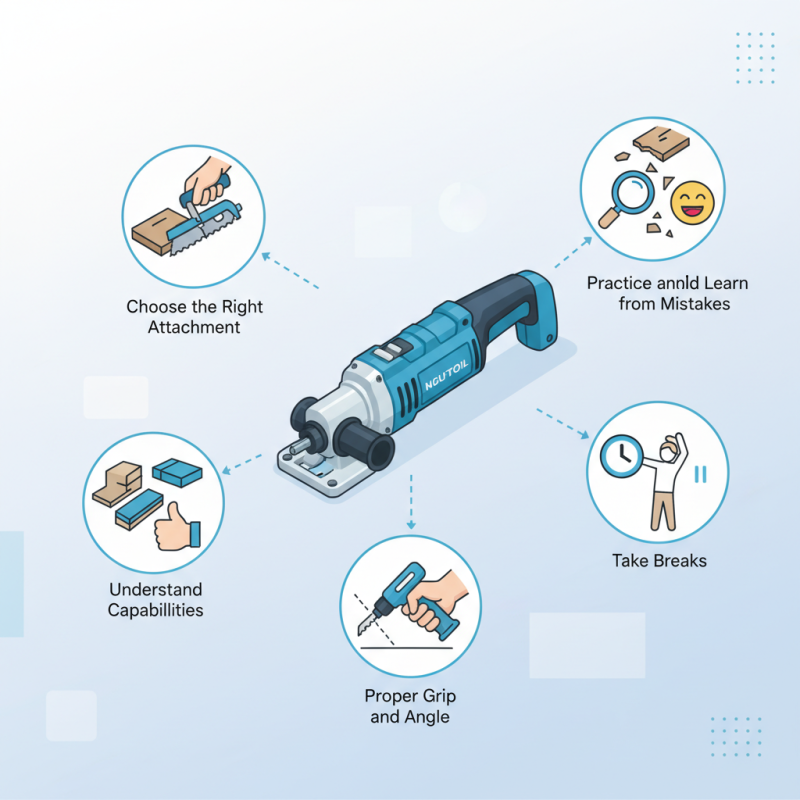
To master the oscillating tool, understanding its capabilities is crucial. Knowing how to choose the right blade or attachment can greatly impact your project's outcome. Improper use can cause damage, both to the material and the tool itself. Practice on scrap materials before diving into significant tasks. This approach not only builds confidence but also helps refine your technique.
Additionally, pay attention to your grip and angle. An awkward hold can lead to fatigue and decreased accuracy. Take breaks to avoid errors due to tiredness. Mistakes are part of the learning process. Analyze what went wrong and adjust accordingly. Adopting these tips can transform your experience with the oscillating tool into a more productive and enjoyable one.
Understanding Oscillating Tools: Key Features and Applications
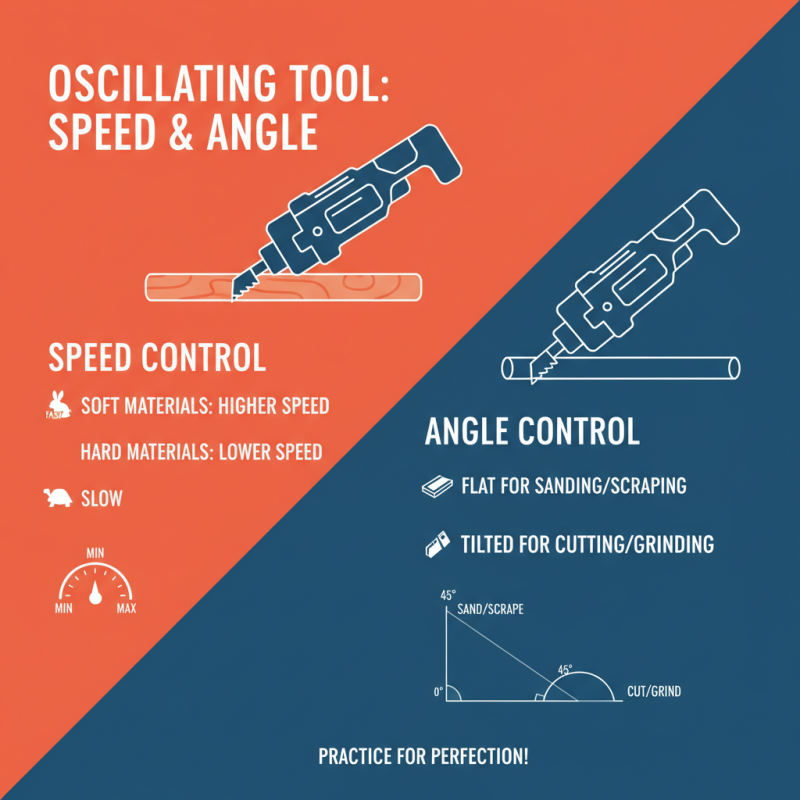
Oscillating tools are incredibly versatile. They can cut, sand, scrape, and grind. Understanding their key features is crucial for effective usage. First, consider the oscillation speed. This affects how well the tool performs different tasks. Higher speeds are better for cutting, while lower speeds work well for sanding.
When using an oscillating tool, select the right attachment for the job. A saw blade is perfect for cutting wood or drywall. Use a sanding pad for smooth finishes. Make sure to switch attachments carefully. Annoying vibrations can result in mistakes. Keep your grip firm and maintain control.
Here’s a tip: always start with test cuts on scrap materials. It helps you adjust settings and understand how much pressure to apply. If the tool feels sluggish, it may need a change in speed or angle. Pay attention to your hand positioning. Improper stance can lead to fatigue and errors. Don't rush; take your time for better results. With practice, you’ll harness the full potential of your oscillating tool.
Choosing the Right Blade: Types and Their Specific Uses
Choosing the right blade for your oscillating tool can make all the difference in your project. There are numerous blade types available, each with unique purposes. For cutting wood, a wood-cutting blade is ideal. These blades usually feature aggressive teeth designed to make clean cuts. However, using the wrong speed can lead to burn marks on the wood. That's frustrating.
When dealing with drywall, a specialized blade is necessary. It has finer teeth, ensuring smooth cuts without tearing. Yet, an improper angle or pressure can still cause damage. Sometimes, the result is not what you expected. For tasks that involve metal, bi-metal blades serve well. They are durable and can handle various metals, but they can become dull quickly. You need to adjust your technique regularly.
Additionally, sandpaper attachments help in smoothing surfaces effectively. They can be great for finishing touches but tend to wear down fast. If you don’t change them, your finish might not be even. Picking the right blade isn't just about knowing the type. It requires practice and adjustment. Keep experimenting to find what works best for you. Your skills will improve over time.
Maintenance Tips for Longevity: Cleaning and Blade Replacement
Maintaining your oscillating tool is crucial for optimal performance. Regular cleaning can significantly improve its lifespan. After each use, remove debris from the motor and housing. Dust and blade residue can accumulate quickly. Use a soft brush or cloth to clean these parts. This simple step can prevent overheating and ensure smooth operation.
Blade replacement is another essential aspect of maintenance. Dull blades can hinder your work and lead to frustration. Inspect your blade frequently for signs of wear. If it looks worn or chipped, it’s time for a replacement. Keep spare blades handy. It's easy to get caught up in a project and forget about blade upkeep. A timely replacement can make your tasks more efficient.
Don't overlook the importance of storage. Properly storing your tool helps maintain its condition. Avoid damp areas; moisture can cause rust. Keep it in a protective case or bag to prevent dust accumulation. It’s not uncommon to neglect these details, especially after busy jobs. But, taking a moment to reflect on your tool's condition can lead to better results in your projects.
Safety Precautions: Protecting Yourself While Using an Oscillating Tool
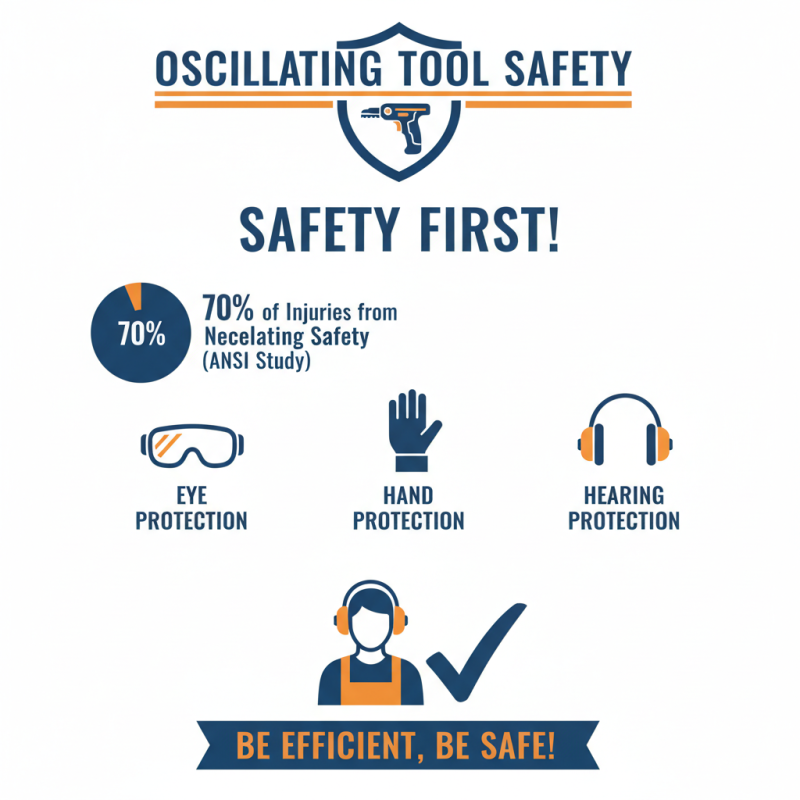
Using an oscillating tool can be efficient, but safety must come first. According to a study by the American National Standards Institute, about 70% of tool-related injuries occur due to neglecting safety protocols. It is crucial to wear appropriate personal protective equipment (PPE). Safety glasses can shield your eyes from debris. Gloves offer grip and protection. Ear protection is also wise, as certain tools can be quite loud.
Proper training is another key aspect of safety. A report from the Centers for Disease Control and Prevention highlights that improper use of tools led to over 20,000 emergency room visits in 2020 alone. New users might struggle to control the tool, leading to accidents. Take time to understand the specific features of your tool. Maintain a steady grip and ensure a firm stance. Avoid loose-fitting clothing; it can get caught in moving parts.
Regular maintenance is essential but often overlooked. Dirty blades or worn-out parts can cause malfunctions. A survey by the National Safety Council noted that up to 30% of accidents resulted from poorly maintained equipment. Inspect your tool before each use. Address any issues immediately. Remember, cutting corners with safety can lead to serious consequences.