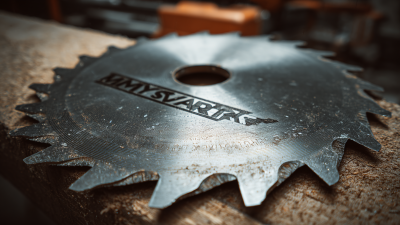
What is a Miter Saw Blade and How to Choose the Right One
A Miter Saw Blade is a pivotal tool in the woodworking and construction industries, specifically designed to deliver precise cuts at various angles. According to a recent report published by Market Research Future, the global power tools market is projected to grow at a CAGR of 7.5% from 2022 to 2028, indicating a rising demand for tools that enhance efficiency and accuracy. With the increasing popularity of DIY projects and home renovations, selecting the right Miter Saw Blade has become crucial for both professionals and enthusiasts alike.
The selection of a Miter Saw Blade can significantly affect the quality of the finished product. Industry experts emphasize that the blade's material, number of teeth, and tooth geometry can greatly impact cutting performance. For instance, carbide-tipped blades are known for their durability and ability to maintain sharpness longer, making them a preferred choice among carpenters and contractors. Additionally, a report by ResearchAndMarkets outlines that the use of specialized Miter Saw Blades can improve cutting precision and reduce the risk of chipping and splintering, thus enhancing overall project outcomes. As we delve into the top five Miter Saw Blades of 2025, it is essential to consider these factors to make an informed choice that aligns with your specific cutting needs.
Understanding the Basics of a Miter Saw Blade
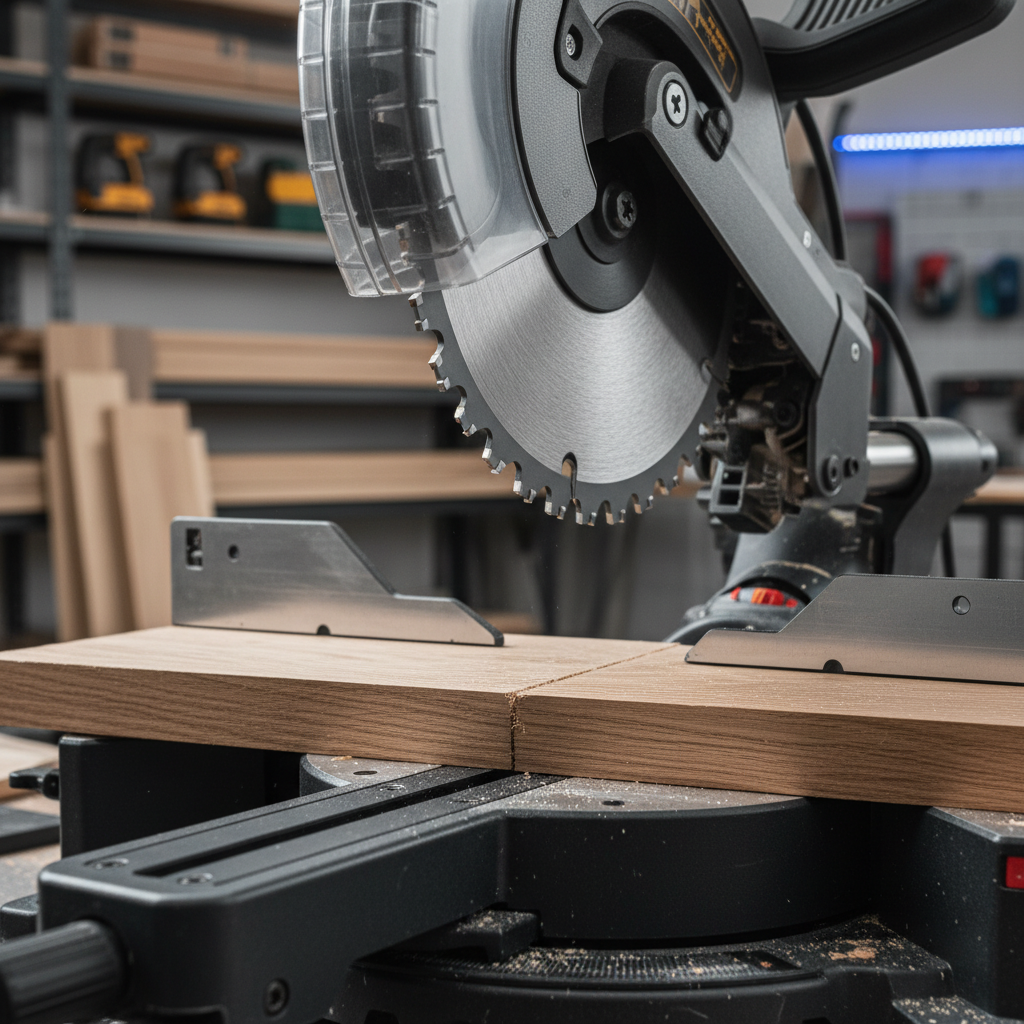
A miter saw blade is a crucial component of a miter saw, responsible for making precise cuts at various angles. Typically made from high-speed steel or carbide-tipped materials, these blades come in various sizes and tooth configurations, each designed for specific cutting tasks. Understanding the basics of a miter saw blade involves recognizing the importance of tooth count and geometry, as different setups cater to different materials, from softwood to hardwood and even metals.
When choosing the right miter saw blade, consider the tooth configuration. Blades with fewer teeth provide quicker cuts and are suited for rough cutting, while those with more teeth produce smoother finishes, making them ideal for fine woodworking. Tips: Always match the blade type to the material you intend to cut; for example, a combination blade is versatile for various projects but specialized blades can enhance performance for specific materials.
Another essential factor is the blade diameter and kerf size. The diameter must match your miter saw specifications, while the kerf – the width of the cut made by the blade – affects the precision of your cuts. Tips: For clean, delicate cuts on thin materials, select a blade with a thinner kerf to minimize wastage and improve accuracy. Always ensure the blade is sharp and properly maintained to achieve the best cutting results.
Types of Miter Saw Blades: Which One Do You Need?
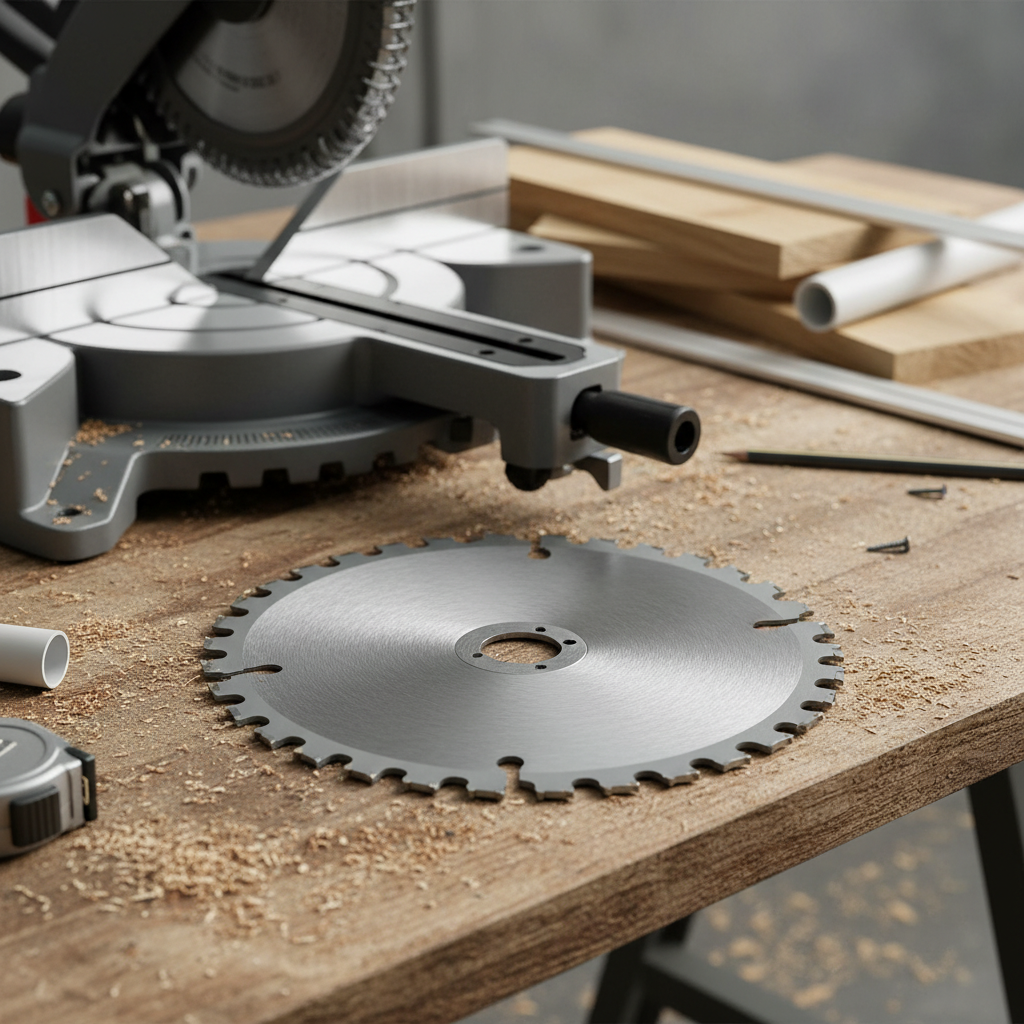
When selecting a miter saw blade, understanding the different types available is crucial for achieving precise cuts. The most common types of miter saw blades include general-purpose blades, fine-tooth blades, and specialty blades. General-purpose blades typically have a balanced number of teeth, making them suitable for various materials such as wood, plastic, and some metals. These blades are ideal for DIY projects where versatility is key.
On the other hand, fine-tooth blades feature more teeth, allowing for smoother finishes on hardwood and laminate materials. They are perfect for producing intricate cuts without chipping or splintering. Specialty blades, including those designed specifically for cutting aluminum or composite materials, are tailored to specific tasks.
Choosing the right blade involves considering the material you plan to cut, the desired finish quality, and the type of cuts you will be making. Understanding these variations will enhance your miter saw's performance and ensure better results in your projects.
Factors to Consider When Selecting a Miter Saw Blade
When selecting a miter saw blade, it's essential to consider several key factors that influence cutting performance and material compatibility. Blade size is typically dictated by your miter saw, with common diameters being 10 inches and 12 inches. Choosing a blade that matches your saw ensures optimal functionality. Additionally, the tooth count significantly affects the type of cuts you can achieve; blades with fewer teeth are better for ripping, while those with a higher tooth count excel in making smoother cuts.
Another important consideration is the arbor size, which is the hole in the center of the blade that fits onto the saw. Most saws require a standard 5/8 inch arbor, but always verify your saw's specifications before making a purchase. Material type and intended use should also influence your choice. For instance, a blade designed for cross-cutting wood may not be appropriate for cutting through metal or composites.
**Tips:**
- Consider a blade with alternate top bevel (ATB) teeth for cross-cutting wood, as it provides a clean finish and reduces tear-out.
- If you're tackling different materials, look for blades with carbide-tipped features for durability and longevity.
By understanding these factors, you can ensure that you select the right miter saw blade for your specific woodworking projects, enhancing both efficiency and quality in your work.
Distribution of Miter Saw Blade Types
How to Maintain and Extend the Life of Your Miter Saw Blade
To maintain and extend the life of your miter saw blade, regular cleaning and proper storage are crucial. After each use, wipe the blade with a cloth to remove any sap, dust, or debris. This not only helps maintain cutting efficiency but also prevents rust and other damage. Additionally, consider using a specialized blade cleaner for deeper cleaning periodically.
Tip: Always wear gloves when handling the blade to protect both yourself and its integrity.
Proper storage is equally important. Store blades in a protective case or on a blade rack to avoid accidental damage. This keeps them secure and prevents any warping or dulling that can occur if they come into contact with other tools or surfaces.
Tip: Label your blades based on their specific use (e.g., for wood, metal, or specialty materials) so you can easily choose the right one when needed, reducing unnecessary wear on your blades.
Lastly, sharpen blades regularly to ensure efficient cuts and reduce strain on your miter saw. Dull blades not only compromise precision but can also lead to overheating and increased wear on the tool itself.
Tips for Safe and Effective Use of Miter Saw Blades
When using miter saw blades, safety and effectiveness are paramount. According to the U.S. Bureau of Labor Statistics, about 70,000 injuries occur annually in the woodworking industry due to improper use of tools. To minimize risks, always wear appropriate personal protective equipment (PPE), including safety goggles and hearing protection, as miter saws can produce significant noise and flying debris.
Tips for Safe Use:
- Always ensure your blade is sharp and suitable for the material you are cutting. Dull blades can cause kickback, leading to accidents.
- Keep your hands clear of the blade path and use push sticks or blocks for smaller pieces to maintain a safe distance from the cutting line.
- Ensure your work area is clean and free of clutter to avoid tripping hazards and to help maintain focus on the task at hand.
To achieve effective results, it is essential to understand the right type of blade for your specific cuts. According to a report by Market Research Future, the increasing demand for specialized blades is on the rise as more professionals recognize the importance of blade selection in achieving precision and reducing wastage. By adhering to safety measures and choosing the correct blade, users can enhance both their productivity and safety while operating miter saws.