Top 7 Tips for Choosing Carbide Bits For Metal工作
When it comes to machining and metalworking, choosing the right tools is crucial. Carbide bits for metal are a popular choice due to their exceptional hardness and durability. These bits can handle tough materials, making them ideal for various applications. However, not all carbide bits are created equal, and selecting the appropriate ones requires careful consideration.
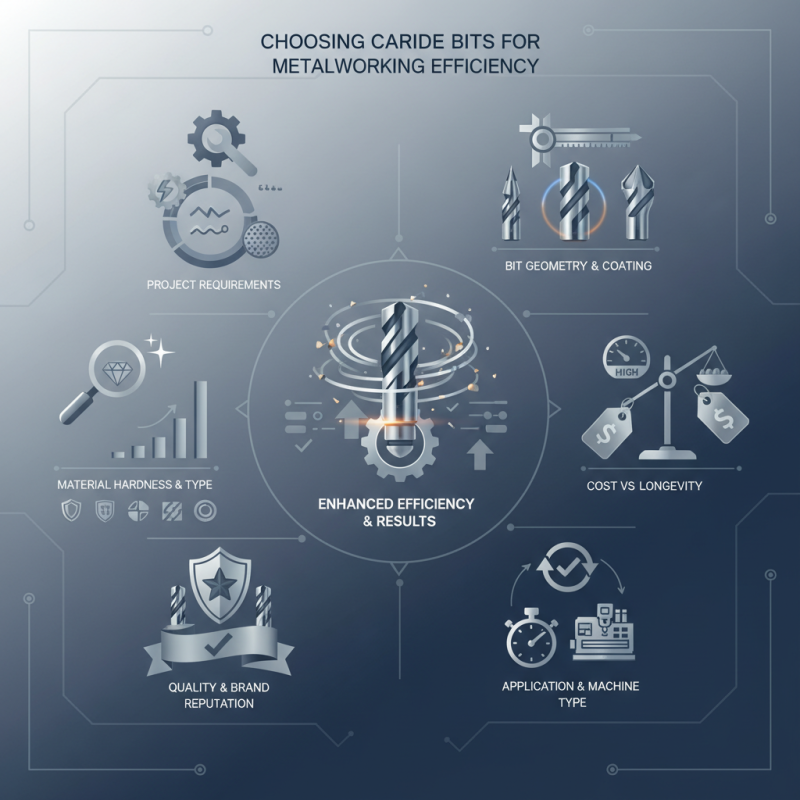
Choosing the right carbide bits for metal involves several factors. First, you need to assess the specific project requirements. Different cutting tasks require different types of bits. It's essential to understand the material you will be working with, as this will directly affect your choice. You might find that what works for one metal does not work for another.
In addition, evaluating the quality of the carbide bits is fundamental. Not all manufacturers uphold the same standards. Reliable brands often provide better longevity and performance. Investing in quality carbide bits for metal may require more upfront cost but can save you time and resources in the long run. Ultimately, thoughtful selection can significantly enhance your metalworking efficiency and results.
Understanding Different Types of Carbide Bits for Metalworking
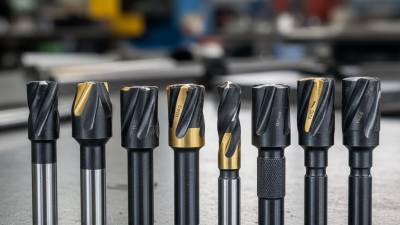
When selecting carbide bits for metalworking, understanding the various types is crucial. Each bit is designed for specific tasks. For example, a tapered bit is ideal for precision drilling, while a flat-bottom bit excels in surface finishing. Knowing the suitable bit for your application will save time and enhance efficiency.
Consider the material being worked on. Hardened steel demands a tougher carbide bit compared to softer metals. Additionally, the bit's coating affects performance. Some coatings enhance durability, while others reduce friction. Pay attention to these details to ensure your work meets the desired quality.
Reflecting on past experiences can help. You may have chosen a bit that did not suit your metal type, leading to frustration. This emphasizes the need for research and guidance. Each project provides new lessons about the right tools. In metalworking, knowledge is power.
Evaluating the Coating Options for Carbide Bits
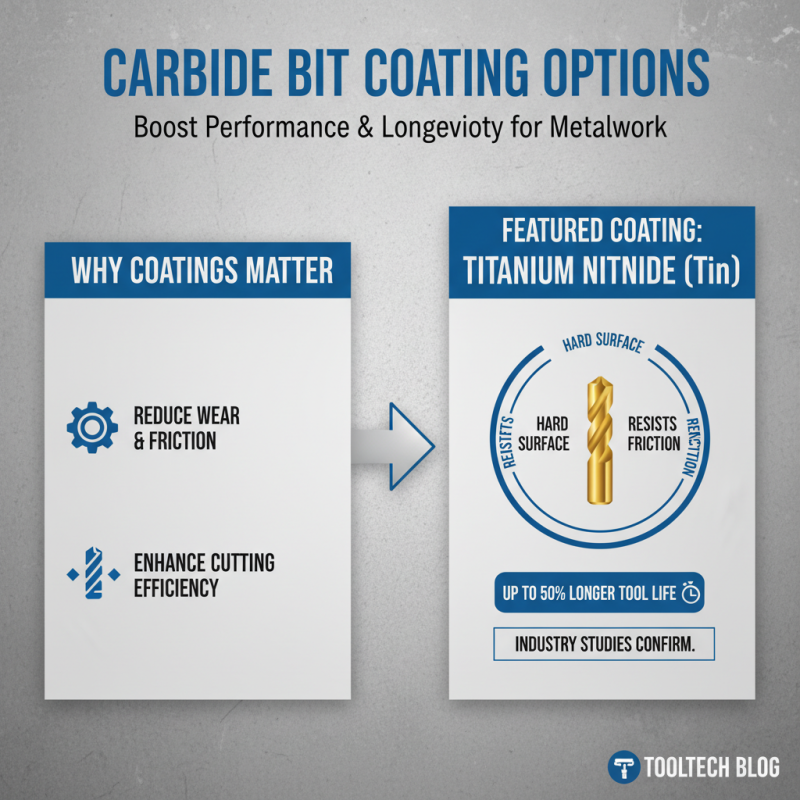
When selecting carbide bits for metalwork, the coating options play a crucial role in performance and longevity. Coatings are designed to reduce wear and enhance cutting efficiency. For instance, titanium nitride (TiN) coatings can increase tool life by up to 50%, according to industry studies. They create a hard surface that withstands heat and friction effectively.
Different coatings offer distinct benefits. Cobalt-chromium coatings can provide excellent hardness and resistance to oxidation. However, these coatings may not be ideal in all situations. A study revealed that aluminum oxide coatings excel in high-speed machining environments. This means choosing the right coating requires careful consideration of the specific tasks at hand.
Keep in mind that not all coatings are created equal. Some may chip or wear off quicker than expected, leading to potential performance setbacks. Understanding the applications and limitations of each coating type is essential for optimal results. Regular assessment of tool conditions will help identify if it's time for a change. This approach fosters a more nuanced understanding of carbide tool usage and requires ongoing research to stay updated with the latest advancements.
Choosing the Right Size and Geometry for Your Project
When choosing carbide bits for metal projects, the right size and geometry are crucial. Selecting the wrong size can lead to ineffective cutting and increased wear. Measure your material thickness carefully. For thicker metals, choose larger diameter bits. A bit that is too small may not penetrate well, causing frustration and inefficiency.
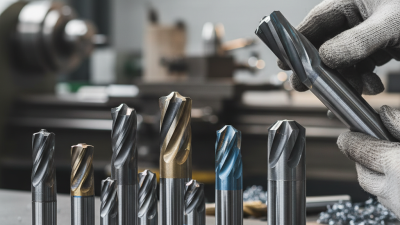
Geometry also matters. Various shapes can produce different results. Flat end bits work well for creating defined edges. Round bits are best for smoothing and contouring surfaces. Sometimes, you might find that the bit you chose doesn’t match your project needs. It’s okay to experiment and learn from those choices.
Consider the angle and flute design of the bits. High helix angles help with chip removal in thicker materials. If you’re working on intricate designs, choose bits with a finer point. This allows for better precision. After some practice, adjusting your choices based on your experience can significantly improve results. Stay open to refining your technique.
Top 7 Tips for Choosing Carbide Bits For Metal
| Tip No. |
Tip Title |
Description |
Ideal Use Case |
| 1 |
Select the Right Size |
Ensure that the size of the carbide bit matches the hole diameter you need. |
Ideal for precise drilling in metals. |
| 2 |
Consider Bit Geometry |
Choose the right geometry based on the application, such as fluted or solid. |
Great for varying depths and materials. |
| 3 |
Check Coating Type |
Look for coatings like TiN or TiAlN for added durability. |
Useful for increasing wear resistance. |
| 4 |
Consider the Material to be Drilled |
Different metals require different carbide formulations. |
Perfect for specific metal compositions. |
| 5 |
Check RPM Ratings |
Make sure the bit can handle the RPM settings of your machine. |
Essential for safe operation and longevity of the bits. |
| 6 |
Evaluate Chip Removal |
Choose bits that support effective chip removal for better efficiency. |
Ideal for high-speed drilling tasks. |
| 7 |
Test for Performance |
Always perform a test run to evaluate the bit's performance. |
Helps ensure overall project success. |
Considering the Manufacturer's Reputation and Reviews
When selecting carbide bits for metalwork, the manufacturer's reputation is crucial. A brand known for quality often indicates reliable products. Research online reviews and forums. Pay attention to user experiences. Real feedback can highlight both strengths and weaknesses.
Consider the consistency of performance in various applications. Respected manufacturers usually have a long history of satisfied customers. Look for testimonials that discuss durability and efficiency. Such specifics help gauge the real-world reliability of the bits.
Don't overlook potential red flags. A lack of reviews or consistently negative comments can be concerning. It’s essential to trust manufacturers with proven track records. Always investigate before making a purchase, as this ensures you’re choosing wisely.
Assessing Cost vs. Quality in Carbide Bit Selection
When selecting carbide bits for metalwork, assessing cost versus quality is crucial. High-quality carbide bits can be costlier, but they often last longer and perform better. Investing in a reliable bit saves money in the long run. A poorly made bit may break easily, leading to extra costs in replacements and repairs.
Consider the material and the type of work you plan to do. Different metals require different carbide specifications. For instance, harder metals may need more durable bits. Heavy usage demands investing in higher quality. Remember, a lower-priced option may seem appealing, but it could disappoint in performance.
Another tip is to look for user reviews and expert recommendations. These insights can guide your decision. Customers often share experiences that highlight durability and performance. Don't overlook this information; it can reflect the true value of a bit. Quality tools make a noticeable difference in precision and efficiency. Aim for a balance that meets your needs without overspending.
Top 7 Tips for Choosing Carbide Bits for Metal Work
Evaluating cost vs. quality is essential when selecting carbide bits for metal work. The following chart compares the average cost and quality rating of different carbide bits based on customer feedback.