Miter Saw Blade Tips for Choosing the Right One?
Choosing the right Miter Saw Blade is crucial for achieving precise cuts. A good blade can significantly enhance your woodworking projects. Each type of blade has unique features tailored for specific tasks.
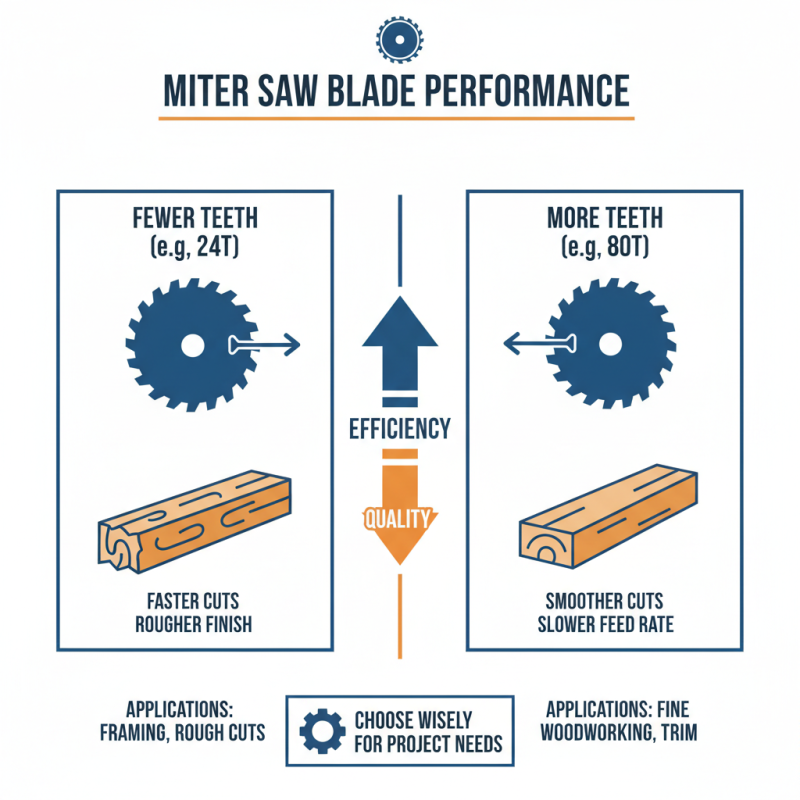
Understanding these features is key. For instance, tooth count affects the smoothness of cuts. Blades with more teeth offer smoother finishes but cut slower. In contrast, fewer teeth mean faster cuts but rougher edges. It is essential to strike a balance based on your project needs.
Consider the materials you will work with. Different blades are designed for wood, metal, or composite materials. An inappropriate choice can lead to poor performance and wasted materials. Reflect on your experience and the outcomes of past projects. This reflection will guide you toward making informed decisions about your Miter Saw Blade selection.
Understanding the Different Types of Miter Saw Blades
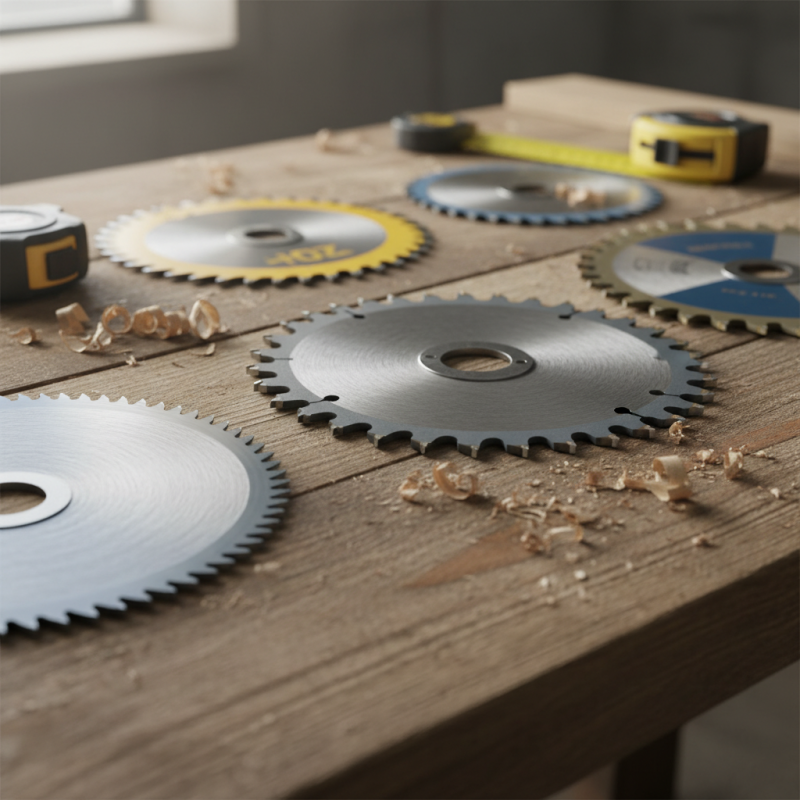
When selecting a miter saw blade, understanding the types available is crucial. There are generally three kinds: crosscut, rip, and combination blades. Crosscut blades feature fine teeth suited for cutting across the grain. They create smooth edges, making them perfect for finish work. Rip blades, on the other hand, have larger teeth designed for cutting along the grain. They remove more material quickly but may leave rough edges.
Combination blades offer a versatile solution. With a mix of fine and large teeth, they perform well for both crosscutting and ripping tasks. This versatility can save time and money, especially for DIY projects. However, remember that a single blade may not excel in specialized cuts. Regularly inspect blades for damage or dullness, as this can affect performance.
Choosing the right blade requires considering your project needs. Think about the material you will cut and the desired finish. For intricate designs, a finer tooth count is essential. Always match the blade type to the task at hand. If uncertain, seeking advice from experienced woodworkers can help. They often share valuable insights on blade selection based on their firsthand experiences. Blades can be a dull topic, but getting them right is key to successful projects.
Key Factors to Consider When Choosing a Blade
When selecting a miter saw blade, several key factors play a crucial role. Understanding these factors can help you make a more informed decision.
Blade material is one aspect to consider. High-speed steel (HSS) blades are versatile and ideal for softer woods. However, carbide-tipped blades excel in durability and can handle hardwoods with ease.
The number of teeth on the blade significantly affects the cut quality. Fewer teeth provide faster cuts, which is suitable for rough work. More teeth yield smoother finishes, making them ideal for trim work. Consider the project at hand to determine the right tooth count.
Don't overlook the blade's size. Most miter saws operate with 10-inch or 12-inch blades. Larger blades can handle bigger pieces but may sacrifice maneuverability. Always assess your workspace and material sizes before making a purchase. Remember, the right blade enhances both precision and safety in your projects.
Materials: Selecting the Right Blade Based on Your Project
When choosing a miter saw blade, the material you plan to work with is crucial. Different projects require different blades. For hardwoods, a general-purpose carbide-tipped blade is often sufficient. However, a high tooth count blade can produce finer cuts on these materials. A study by the Woodworking Institute indicates that using the right blade can enhance cutting efficiency by up to 30%.
For softer materials like pine or MDF, a blade with fewer teeth is more effective. Fewer teeth allow for quicker cutting and less binding. A 2020 report from the National Wood Products Association emphasizes that project accuracy often hinges on blade selection. It advises aligning tooth configuration with material type. If the wrong blade is chosen, cut quality may decrease, leading to wasted materials.
The importance of these choices highlights a common issue. Many users overlook the blade's role, opting for convenience over quality. This can lead to frustration during projects. Selecting the appropriate blade is not just about brand preference; it's about understanding the project's demands and the materials involved. A little research can save time and enhance the final result significantly.
Miter Saw Blade Types and Suitable Materials
This chart illustrates the suitability of different miter saw blade types for various materials based on project needs.
Tooth Count and Configuration: How They Affect Performance
Choosing the right miter saw blade can significantly enhance your cutting performance. One crucial factor is tooth count. Blades with fewer teeth cut faster but leave a rougher finish. Conversely, blades with more teeth provide smoother cuts but may require slower feed rates. This decision impacts the efficiency and quality of your work.
Tooth configuration also plays a pivotal role. A flat-top grind is suitable for rip cuts, providing efficiency in cutting along the grain. In contrast, a combination tooth design excels at cross-cutting, offering versatility. Understanding these configurations helps tailor your blade choice to specific projects. Recognizing your needs is essential but can be challenging. If you choose incorrectly, it could lead to subpar results.
Experimenting with different blades can be valuable. It allows you to discover what suits your style best. Each project might require a different approach. Don't hesitate to try various options. Just keep your cutting goals in mind. Evaluating your outcomes will guide future choices.
Blade Compatibility: Ensuring Fit with Your Miter Saw Model
Choosing the right blade for your miter saw is crucial. Blade compatibility directly affects performance and safety. Each miter saw model has specific requirements. A blade that fits well enhances cutting efficiency and extends the life of both the blade and the saw.
Reports indicate that over 30% of users encounter issues due to improper blade selection. A common problem is using a blade that is too thick or thin for the machine. This can lead to dangerous kickbacks or uneven cuts. Ensuring that the blade diameter matches your miter saw's specifications is essential. Many professionals recommend consulting the saw's manual for precise measurements.
In addition to diameter, consider the arbor size. Most miter saws have a 5/8 inch arbor. However, some models may require a 1-inch arbor. Adapters can sometimes resolve compatibility issues. But they may also compromise cutting stability. Pay attention to tooth count and material type as well. Each blade is designed for specific materials, like wood or metal. A mismatched blade can lead to poor results and increased wear on the saw. Efficient cutting demands the right fit, so take time to research before purchasing.