Top Tips for Choosing the Best Brick Cutting Blade?
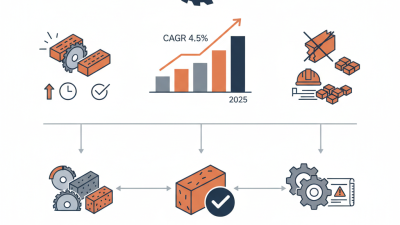
Choosing the right Brick Cutting Blade is crucial for efficiency and precision. According to the market report by ResearchAndMarkets, the global masonry tools market, including cutting blades, is projected to grow significantly, driven by construction demand. Selecting a suitable blade can improve performance, increase durability, and reduce material waste during cutting tasks.
Many professionals emphasize that a high-quality Brick Cutting Blade can make a noticeable difference. Factors such as blade composition, diamond concentration, and cutting speed contribute to effectiveness. A blade designed for specific brick types will perform better and last longer. Users should not overlook the importance of compatibility with their cutting equipment.
However, acquiring the best blade can be daunting. Misleading marketing claims often lead to poor choices. Professionals recommend researching and consulting experts before making a decision. Understanding your specific cutting needs and applications is essential. Inevitably, trial and error may occur, but learning from these experiences will ultimately lead to better outcomes.
Understanding Different Types of Brick Cutting Blades
When selecting a brick cutting blade, understanding the various types is crucial.
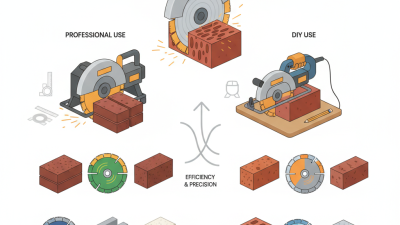
Diamond blades are premium options often used for cutting hard materials like bricks.
According to industry reports, these blades have a longer lifespan and provide cleaner cuts.
They usually feature a diamond-coated edge, ensuring durability and precision, essential for professional construction projects.
Another popular type is abrasive blades.
These are more affordable but wear out faster. They are suitable for light-duty tasks and smaller jobs.
Users should note that the quality of the blade directly impacts cutting efficiency.
Low-quality abrasive blades tend to overheat, leading to uneven cuts and wasted materials.
Tips for choosing the right blade include assessing the material you'll cut most often.
Brick density can vary, influencing your choice. Always consider your cutting method as well.
A wet cutting technique can improve blade longevity and enhance performance.
Finally, invest time in understanding blade specifications, as they often dictate the best use scenarios.
A little research can save time and money in the long run.
Key Features to Look for in a Brick Cutting Blade
When choosing a brick cutting blade, several key features can significantly impact performance and efficiency. One of the most important factors to consider is the blade's material. Diamond blades are highly recommended for their hardness and durability. Research shows that diamond blades can last up to 20 times longer than traditional blades, cutting through various bricks with precision.
Another feature to evaluate is the blade's segment height. Blades with taller segments can enhance cooling and reduce wear. A study found that using blades with a segment height of at least 10mm increases cutting speed by 30%. Additionally, the core design matters. A reinforced core helps to reduce vibration, leading to a smoother cut and a longer lifespan for the blade.
Pay attention to the type of bond used in the blade. Different bonds are designed for specific materials, which can affect cutting efficiency. More often than not, a mismatched bond can lead to premature blade wear. Consider also the intended application. A blade meant for heavy-duty usage needs a distinct set of features compared to one for light tasks. The consistency of the blade's performance is vital. Users often experience uneven cuts when the blade isn't suited for the job, causing frustration and wasted materials.
Top Tips for Choosing the Best Brick Cutting Blade
| Feature |
Description |
Importance |
| Material |
High-quality diamond or carbide materials for durability. |
Essential for longevity and cutting efficiency. |
| Blade Diameter |
Common sizes range from 4 inches to 14 inches. |
Critical for compatibility with your cutting tool. |
| Segment Design |
Turbo segments or continuous rim for specific applications. |
Affects cutting speed and finish quality. |
| Cooling Holes |
Integrated holes for heat dissipation during cutting. |
Prevents overheating and blade damage. |
| Application |
Suitability for brick, masonry, or concrete. |
Ensures optimal performance for specific materials. |
| Wet vs. Dry Cutting |
Ability to use in wet cutting applications or dry cutting. |
Influences dust control and blade lifespan. |
| Price |
Ranges based on quality and specifications. |
Important for budget considerations without compromising quality. |
Assessing the Material Compatibility of Cutting Blades
When selecting a brick cutting blade, assessing material compatibility is crucial. Blades often feature different materials, such as diamond or tungsten carbide. Each material has distinct advantages depending on the type of brick, so choosing wisely is vital.
According to the American Concrete Institute, diamond blades are ideal for hard bricks. They provide longer life and cleaner cuts. However, not every project requires such durability. For softer materials, standard carbide blades might suffice. They are cheaper and deliver acceptable performance for medium-density bricks. However, users must consider the trade-offs.
Research indicates that improper blade choice can result in overheating and inefficient cuts. A 2022 study by the Construction Industry Institute found that 25% of cutting issues stem from blade incompatibility. Therefore, understanding the specific material of the brick will lead to better decisions. Consider the density, strength, and intended use of the material before making a purchase. Inadequate consideration may lead to unnecessary costs and wasted time during projects.
Evaluating Blade Size and Thickness for Optimal Performance
When choosing a brick cutting blade, size and thickness significantly impact its performance. A blade that is too thin may overheat and warp during use. Thicker blades typically cut more efficiently but require more power. For optimal results, consider the type of brick you are working with. Different bricks have varying densities and hardness levels, affecting the ideal blade choice.
The diameter of the blade is another crucial factor. Smaller blades are nimble and easier to control, perfect for detailed cuts. Larger blades handle tougher materials, making them suitable for heavy-duty projects. It's essential to match your task with the correct size for safety and efficiency. Those who underestimate this aspect often face challenges, like uneven cuts and wasted materials.
Thickness is not merely a preference; it’s a necessity for the job. A blade that is too robust may cause excessive vibration, leading to compromised cuts. Conversely, opting for an overly thin blade can lead to quick wear. Evaluating your project requirements carefully will guide your decision. The right balance promotes smoother cuts and enhances durability.
Tips for Maintaining and Extending the Life of Your Blade
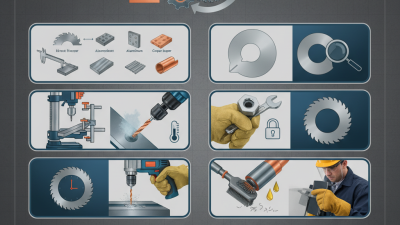
Maintaining your brick cutting blade is crucial for optimal performance. Regular cleaning can significantly enhance its lifespan. It's recommended to remove dust and debris after each use. This simple step prevents grime accumulation, which can lead to blade overheating. According to industry reports, a clean blade can last up to 30% longer.
Sharpening the blade properly also plays a vital role. Many users overlook this necessity until it's too late. A dull blade puts excess stress on the tool, affecting both accuracy and efficiency. Studies show that sharpening can improve cutting efficiency by up to 50%. A well-maintained blade slices through materials smoothly, reducing the risk of chipping.
Using the right cutting technique matters too. It ensures an even distribution of pressure on the blade. Uneven pressure can cause unnecessary wear. Industry analysts note that improper technique is a common reason for premature blade damage. Regularly checking for signs of wear and tear helps catch issues early, preventing a complete blade replacement. Keeping track of these details can save time and costs in the long run.