Top 10 Floor Sander Sheets to Enhance Your Woodworking Projects?
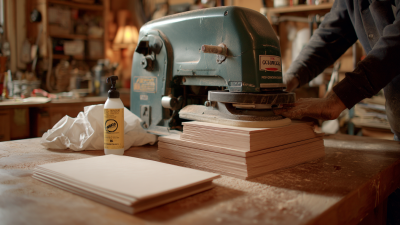
When it comes to woodworking projects, the quality of your finish can make or break your work. One essential tool in achieving a flawless result is the use of Floor Sander Sheets. Renowned expert in the field, John Thompson, once said, “The right sander sheets transform your wood into a masterpiece.” This highlights the importance of selecting the best sandpaper for your project.
Floor Sander Sheets come in various grits, each suited for different stages of sanding. A fine grit sheet can deliver a smooth finish, while a coarse grit is perfect for heavy material removal. However, not all sheets are created equal. It’s crucial to know your specific needs, and sometimes trial and error is necessary.
Learning about the nuances of Floor Sander Sheets requires time and patience. We often underestimate the impact that the choice of sandpaper can have on the final product. Understanding the type, grit, and material of these sheets plays a vital role in enhancing your woodworking outcomes. This guide will explore the top ten options, aiming to refine your choices and elevate your craftsmanship.
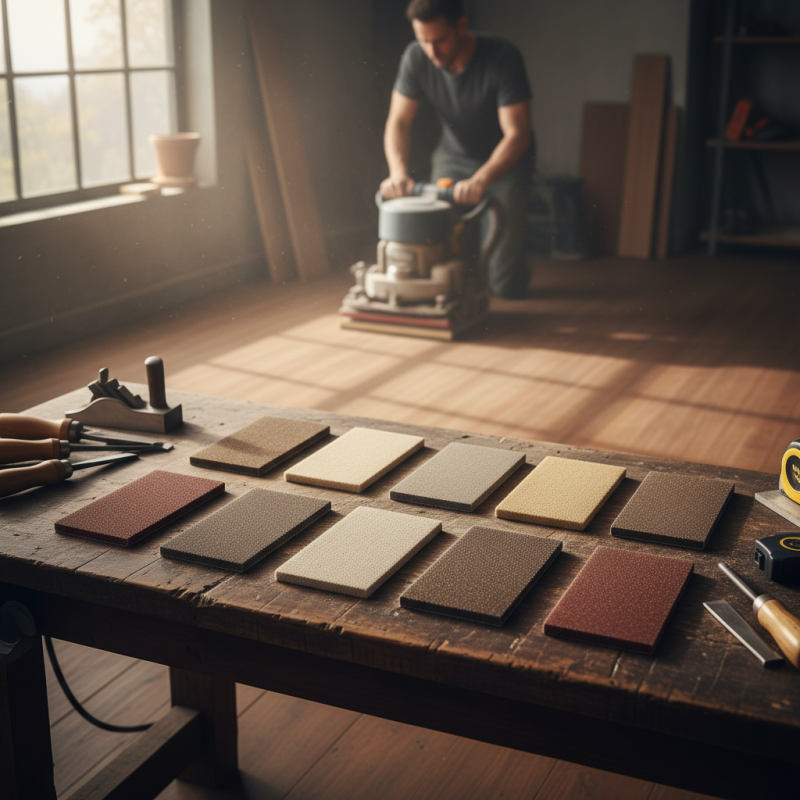
Essential Factors to Consider When Choosing Floor Sander Sheets
When selecting floor sander sheets, consider the grit level. Grit indicates the coarseness of the sandpaper. Lower numbers, such as 40 or 60, are aggressive. They quickly remove material but may leave scratches on the wood. Higher grits like 120 or 220 smooth the surface, ideal for finishing. It's essential to balance these depending on the project stage.
Material choice is also critical. Common options include
aluminum oxide and
silicon carbide. Aluminum oxide is durable and works on various surfaces, while silicon carbide is perfect for a finer finish. Selecting the wrong material can lead to less efficient sanding, requiring more effort and time. Experimenting with various types may be beneficial. Understanding the texture you want is fundamental.
Compatibility with your sander model cannot be overlooked. Not every sheet fits every machine. Check the size and attachment method. A mismatch leads to poor results and waste. Don't rush this process; taking time to assess compatibility prevents frustration later. Consider these factors to refine your woodworking experience.
Types of Floor Sander Sheets: A Comprehensive Overview
When embarking on woodworking projects, selecting the right floor sander sheets is crucial. Understanding the different types can enhance both the quality of your work and the efficiency of your sanding process. Generally, sanders utilize various grits and materials. Grit refers to the coarseness or fineness of the sheet. For example, lower grit numbers are ideal for rough work, while higher grits perfect the finish.
Paper and cloth are the most common types of materials used in sander sheets. Paper sheets tend to be more affordable but might wear out faster. Cloth sheets, on the other hand, offer durability and are perfect for heavier tasks. However, finding the right type may require some trial and error. Some users overestimate the effectiveness of low-grit sheets. These can lead to deep scratches, which may require extra work later.
In addition to grit and material, the design of the sander sheets matters too. Hook and loop designs allow quick changes but might not hold as firmly over time. Some users find they need to replace these sheets frequently. Researching and experimenting with different types can lead to better choices. It’s essential to reflect on your specific needs to avoid unnecessary errors in your projects.
Top Brands for Quality Floor Sander Sheets in Woodworking
When choosing floor sander sheets, quality is paramount. Using inferior sheets can lead to uneven surfaces and increase project time. According to industry reports, using high-quality sandpaper can reduce sanding time by up to 30%. This efficiency translates not only into a smoother finish but also less wear and tear on sanding machines. Many woodworkers overlook the role of grit and material composition, which directly affects the sanding process.
Top brands in the market focus on durability and performance. Factors like backing material and grit type can significantly impact the results. For instance, sheets designed for hardwood often utilize stronger backing materials. This ensures they endure the rigorous demands of sanding hard wood. A report by the Woodworking Institute noted that about 40% of woodworkers experienced improved results with superior brands. This highlights the importance of investing in quality products.
It’s essential to reflect on your choices. Some may be tempted to go for cheaper options, only to find frustration later. These lower-cost sheets often compromise finish quality. Additionally, they can create more dust, which requires more cleanup. A well-informed choice can lead to better woodworking outcomes, enhancing both the craftsmanship and the project's longevity.
Comparative Analysis of Grit Levels and Their Applications
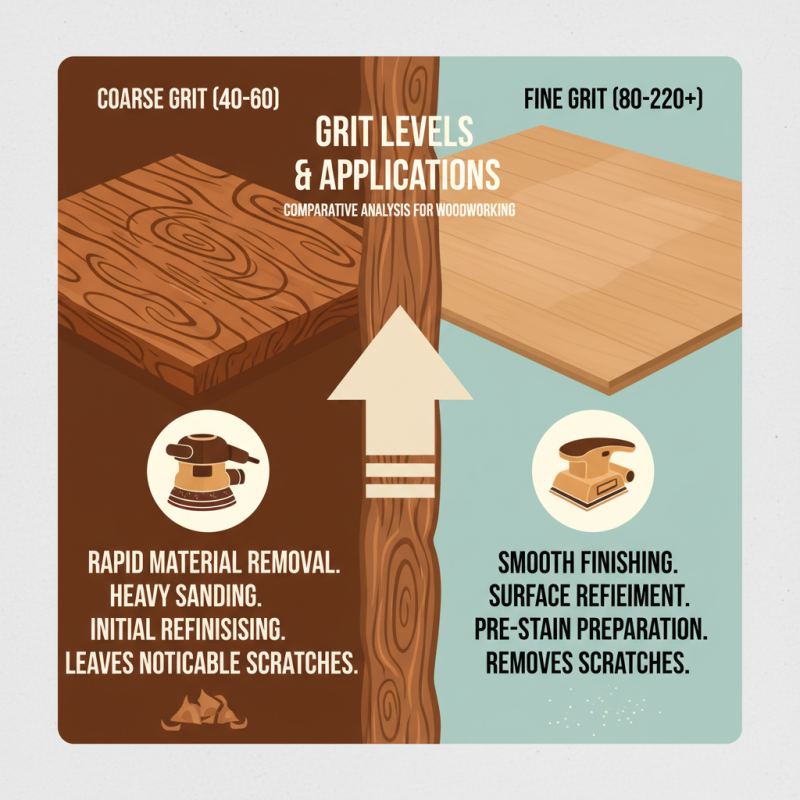
When selecting floor sander sheets, understanding grit levels is essential. Grit determines the sheet's abrasiveness, making it a key factor in woodworking projects. Coarse grits, ranging from 40 to 60, quickly remove material. They are ideal for heavy sanding and initial stages of refinishing. However, they leave noticeable scratches, requiring more refinement later.
Medium grits, around 80 to 120, serve as a transition. They smooth out the roughness created by coarser sheets. This level provides a balanced approach for general surface preparation. Fine grits, from 150 to 220, are perfect for final finishing. They refine the surface, making it smooth and ready for finishes. Yet, excessive use of fine grits can lead to clogging, reducing effectiveness. Striking the right balance in grit selection is crucial for achieving desired results.
Each woodworking project has unique requirements. It's important to test different grit levels on scrap wood before starting the actual work. This trial can reveal how each grit performs. It may also save you time and material by avoiding mistakes. Reflecting on your sanding choices can significantly enhance your overall woodworking skills.
Maintenance Tips for Prolonging the Life of Your Sanding Sheets
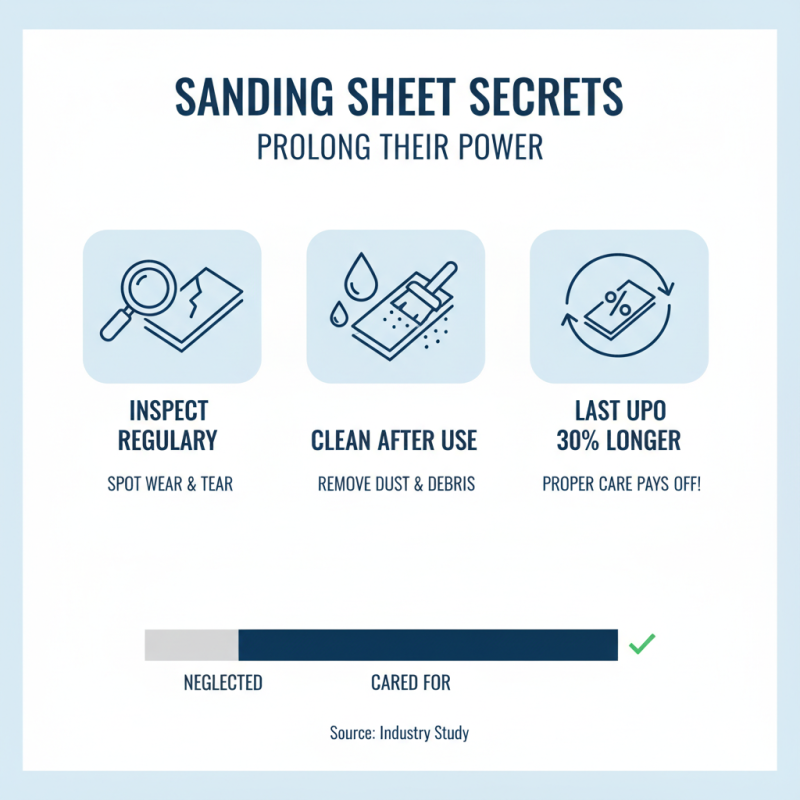
Maintaining your sanding sheets can significantly extend their lifespan. Regularly inspecting them for wear and tear is crucial. Studies indicate that properly cared-for sanding sheets can last up to 30% longer than neglected ones. Clean your sheets after each use to remove dust and debris. This prevents grit from getting clogged, which can diminish effectiveness.
Using the right technique also matters. Sanding in the correct direction can reduce premature wear. According to industry data, improperly aligned sanding can lead to a 25% decrease in efficiency. Be mindful of the pressure applied during sanding. Too much pressure can warp the sheets, causing them to lose their shape. Always adjust your technique based on the material type.
Lastly, storing your sanding sheets appropriately is essential. Keep them in a cool, dry place. Avoid stacking heavy materials on top of them, as this can cause warping. A study by the Woodworking Association indicates that proper storage can mitigate 50% of common damage. Not all sanding sheets are created equal, and understanding their maintenance can make a notable difference in your woodworking projects.