Why Choose Diamond Blades at the 139th Canton Fair?
The 139th Canton Fair is a pivotal event for those in the diamond blade industry. It offers a unique platform for suppliers and buyers to connect. According to industry expert Dr. James K. Lin, “This fair is crucial for showcasing innovations in diamond blade technology.”
The integration of AI at this year’s fair enhances accessibility. Buyers can quickly find suppliers that meet specific certifications like ISO or CE. The emphasis on efficiency is remarkable, as attendees can navigate the vast 155,000 square meters with ease. However, there are challenges. Many exhibitors still face difficulties in aligning their products with market needs.
Additionally, the focus on advanced manufacturing highlights opportunities for diamond blade manufacturers. The demand for high-quality cutting tools is growing. Yet, businesses should reflect on their sustainability practices. Striking a balance between innovation and environmental responsibility remains essential. The Canton Fair sets the stage for these vital discussions.

The Growing Demand for Diamond Blades in Construction Industry
The construction industry is witnessing a surge in the demand for diamond blades. These blades are essential for cutting various materials with precision and efficiency. Concrete, granite, and ceramics require robust tools for effective work. Traditional blades often fall short, leading to delays and higher costs. The durability of diamond blades offers a reliable solution to these challenges.
High-performance diamond blades can cut through tougher materials. They reduce wear and tear, providing longer life spans than standard options. Despite their advantages, some users may overlook maintenance. This oversight can affect their performance and lifespan. Keeping blades clean and sharp is crucial for optimal results.
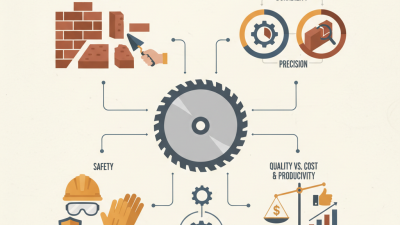
As the market evolves, the need for innovation rises. New technologies emerge, enhancing diamond blade design. Users should stay informed about these advancements. Yet, there’s always room for improvement in user education. Proper training on blade selection and usage can maximize efficiency. Balancing quality with cost remains a point of reflection for many in the industry.
Comparative Analysis: Diamond Blades vs. Traditional Blades Performance
Diamond blades offer superior cutting efficiency compared to traditional blades. They can achieve precise cuts on various materials, including concrete and granite. Studies show that diamond blades can cut up to 30% faster than standard blades. This speed is crucial for large projects where time is money.
Moreover, diamond blades have a longer lifespan. They can last up to five times longer than their traditional counterparts. A report from the Construction Industry Institute indicates that investing in diamond technology reduces overall operating costs. The initial cost might be higher, yet the long-term savings are significant. This reflects a common industry misconception—many underestimate the durability advantage.
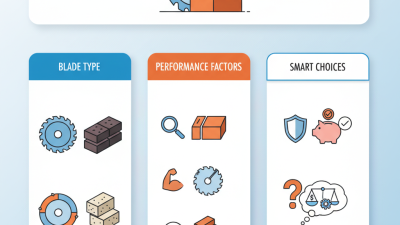
However, not all diamond blades suit every job. Some projects might require specific blade types. This complexity can confuse users, leading to inefficiencies. Professionals must assess their needs carefully. Choosing poorly can negate the advantages these blades offer. Knowing when to select diamond blades is essential. The choice hinges on the material and project scale.
Why Choose Diamond Blades at the 139th Canton Fair? - Comparative Analysis: Diamond Blades vs. Traditional Blades Performance
| Feature |
Diamond Blades |
Traditional Blades |
| Cutting Efficiency |
High |
Moderate |
| Durability |
Long-lasting |
Shorter lifespan |
| Versatility |
Highly versatile |
Limited uses |
| Heat Resistance |
Excellent |
Average |
| Noise Level |
Lower |
Higher |
| Cost |
Higher initial cost |
Lower initial cost |
| Maintenance |
Low maintenance |
Higher maintenance |
Cost Efficiency: Long-Term Savings with Diamond Blades Usage
Diamond blades have gained popularity among professionals for their remarkable cost efficiency. When you use diamond blades, they last significantly longer than traditional blades. This longevity leads to fewer replacements, reducing overall costs over time. While the initial investment might be higher, the savings accumulate quickly. Fewer sales mean less time and money spent on purchasing new tools.
Consider a construction project. Workers often face tight deadlines. A tool that wears out quickly can delay progress. However, with diamond blades, the cutting remains consistent. They provide clean, precise cuts, which enhances the quality of work. Efficiency in time translates to savings. But the challenge lies in their proper use. Misusing diamond blades can lead to rapid wear or damage. It’s essential to understand how to maximize the blade’s lifespan effectively.
Balancing upfront costs with long-term savings is key when choosing tools for projects. Reflect on the benefits of investing in quality over quantity. Greater initial expenses may feel burdensome, but they often pay off in the end. Understanding the importance of maintenance and usage can also make a significant difference. Focusing on these details allows every professional to make informed decisions, ultimately leading to better outcomes in their work.
Innovative Applications: How Diamond Blades Enhance Productivity at the Fair
Diamond blades are increasingly popular at trade fairs. Their unique construction allows for cutting through tough materials effortlessly. This efficiency enhances productivity, making it easier for exhibitors to showcase their products effectively. At the 139th Canton Fair, these blades can handle a variety of tasks, from tile cutting to masonry work. This versatility is crucial in a fast-paced environment where time is money.
Here are some tips for using diamond blades effectively. Choose the right blade for your material. Ensure you maintain the optimal speed and pressure during operation. This can help extend the life of the blade. Additionally, keep an eye on the blade's condition. Signs of wear may indicate it’s time for a replacement. Regularly checking your tools can save you time in the long run.
While diamond blades offer many advantages, they aren't without challenges. Users must be cautious of overheating. This can lead to blade degradation. Improper handling can also result in uneven cuts. Always prioritize safety and efficiency when using these tools. Adopting a careful approach will improve overall performance.