10 Best Drum Sanders for Woodworking?
Choosing the right Drum Sander can change how smoothly a woodworking project comes together. A reliable machine removes uneven stock, reduces hand sanding, and leaves boards ready for finishing. However, every model has trade-offs. Some offer impressive sanding width, while others provide better dust collection or easier abrasive changes.
This guide examines 10 of the best drum sanders for woodworking, focusing on practical details that matter in a real workshop. We consider sanding capacity, motor performance, feed-rate control, conveyor stability, dust-port design, and ease of maintenance. A machine may handle wide panels well but struggle with thin veneers. Another may run quietly yet require frequent belt adjustments.
Small details matter.
The evaluation also reflects common workshop experiences, including snipe, uneven pressure, abrasive loading, and limited replacement parts. These issues can appear after several hours of use, not during a quick demonstration. Price is included, but it is not treated as the only measure of value. A serious buyer should match the sander to typical board sizes, available power, workspace, and expected workload. No single machine suits everyone. Even highly rated models can disappoint when used beyond their intended limits. This comparison aims to provide balanced, experience-informed guidance, while acknowledging that performance can vary with wood species, moisture, operator technique, and dust-extraction quality.
What Is a Drum Sander and How Does It Work?
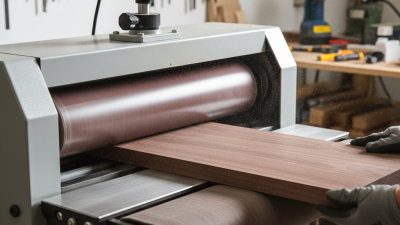
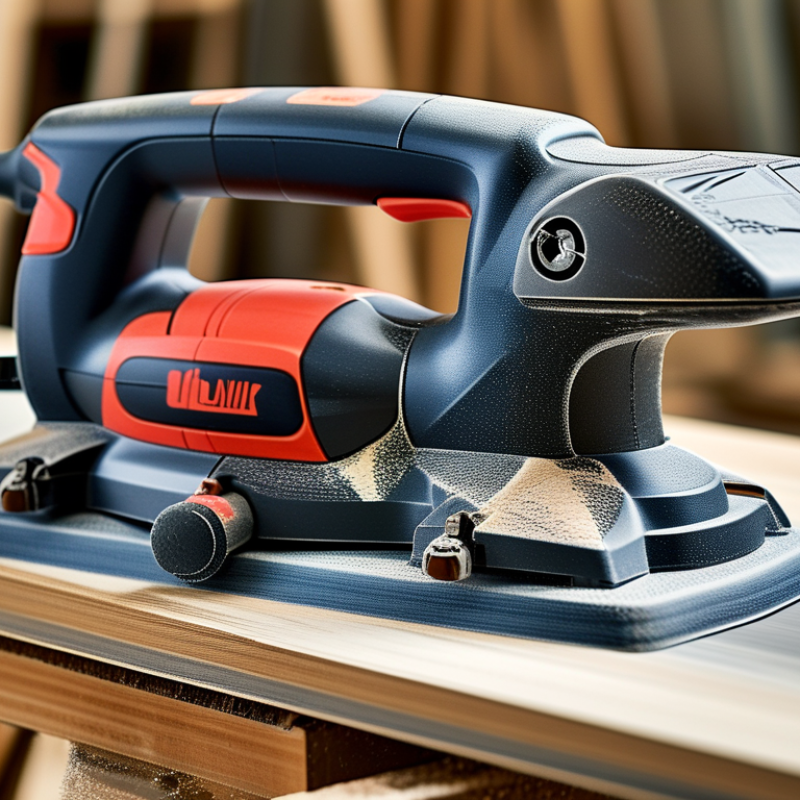
A drum sander removes a thin layer of wood with a rotating abrasive-covered drum. Unlike a planer, it sands the surface rather than cutting deeply with knives. The workpiece rests on a moving conveyor, passes beneath the drum, and receives steady abrasion across its width. This design helps produce even thickness on boards, panels, and glued-up surfaces.
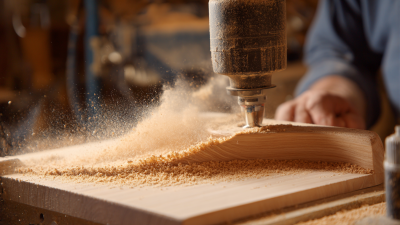
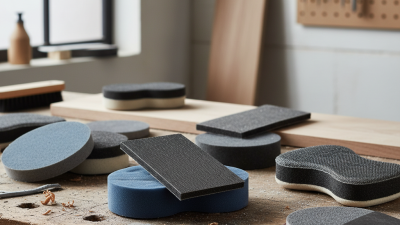
The operator controls sanding depth by raising or lowering the drum. Light passes usually create a flatter, cleaner result than one aggressive pass. Start with a coarse grit when removing uneven marks, then change to finer grit for a smoother surface. Dust collection matters. Fine particles can quickly fill a workshop and reduce visibility around the machine.
Feed speed also affects the finish. A slow setting removes more material, but it may leave burn marks if the drum stays too hot. A fast setting protects delicate wood, though several passes may be necessary. Keep the board moving steadily. Do not force twisted stock beneath the drum. It can shift, stall, or emerge unevenly.
I have found that sanding rarely fixes every preparation mistake. Poorly aligned boards may still show ridges after repeated passes. That is easy to overlook. Check the surface with a straightedge and mark high areas with pencil before sanding. Keep hands away from the opening, wear suitable eye and hearing protection, and follow the machine’s dust and operating instructions.
10 Best Drum Sanders for Woodworking? - What Is a Drum Sander and How Does It Work?
A drum sander is a thickness-sanding machine that uses an abrasive-wrapped rotating drum to remove material from the surface of wood. The workpiece passes beneath the drum on a powered conveyor, allowing boards and panels to be flattened, calibrated, and finished to a consistent thickness. The comparison below uses typical specifications and practical woodworking applications for common drum-sander configurations.
| Rank |
Drum Sander Configuration |
Best Use |
Usable Sanding Width |
Typical Thickness Range |
Approx. Drum Diameter |
Typical Motor Rating |
Typical Feed Speed |
Dust Collection |
Main Advantage |
| 1 |
Compact Single-Drum Benchtop |
Small workshops, hobby projects, boxes, and narrow boards |
10–12 in. (254–305 mm) |
1/8–3 in. (3–76 mm) |
4–5 in. (102–127 mm) |
1.5–2 hp |
4–12 ft/min |
One 4 in. port |
Compact footprint and relatively low purchase and operating cost |
| 2 |
12-Inch Single-Drum |
General-purpose home woodworking and furniture components |
12 in. (305 mm) |
1/8–3 in. (3–76 mm) |
5 in. (127 mm) |
1.5–2 hp |
4–12 ft/min |
One 4 in. port |
Good balance between capacity, finish quality, and shop space |
| 3 |
16-Inch Single-Drum |
Wide boards, cabinet parts, tabletops, and moderately sized panels |
16 in. (406 mm) |
1/8–3 in. (3–76 mm) |
5–6 in. (127–152 mm) |
2–3 hp |
4–18 ft/min |
One 4 in. or 5 in. port |
Handles wider stock without requiring a full industrial machine |
| 4 |
Open-End Single-Drum |
Occasional extra-wide panels and boards wider than the drum |
Up to 32–36 in. with multiple passes |
1/8–3 in. (3–76 mm) |
5–6 in. (127–152 mm) |
2–3 hp |
4–18 ft/min |
One 4 in. or 5 in. port |
Allows material wider than the fixed drum by using overlapping passes |
| 5 |
18-Inch Single-Drum |
Small professional shops producing furniture and solid-wood panels |
18 in. (457 mm) |
1/8–4 in. (3–102 mm) |
6 in. (152 mm) |
3 hp |
4–20 ft/min |
One 5 in. or two 4 in. ports |
Greater width and depth capacity for regular production work |
| 6 |
22-Inch Dual-Drum |
Professional shops needing both stock removal and fine finishing |
22 in. (559 mm) |
1/8–4 in. (3–102 mm) |
5–6 in. per drum |
3–5 hp |
6–20 ft/min |
Two 4 in. or one 6 in. port |
Two abrasive grits can be used in one pass, reducing sanding time |
| 7 |
24-Inch Dual-Drum |
Cabinet doors, wide panels, and repeatable production sanding |
24 in. (610 mm) |
1/8–4 in. (3–102 mm) |
5–6 in. per drum |
3–5 hp |
6–24 ft/min |
Two 4 in. or one 6 in. port |
Combines high throughput with a smoother final pass |
| 8 |
25-Inch Single-Drum |
Large tabletops, worktops, and broad solid-wood assemblies |
25 in. (635 mm) |
1/8–4 in. (3–102 mm) |
6–8 in. (152–203 mm) |
5 hp |
6–24 ft/min |
Two 4 in. or one 6 in. port |
Wide sanding path with a relatively straightforward machine design |
| 9 |
32-Inch Dual-Drum |
Wide panels, architectural millwork, and demanding shop production |
32 in. (813 mm) |
1/8–4 in. (3–102 mm) |
6–8 in. per drum |
5–7.5 hp |
6–30 ft/min |
Two 5 in. or one 6–8 in. port |
High material capacity and efficient two-stage sanding |
| 10 |
36–37-Inch Industrial Dual-Drum |
Continuous production, large panels, and commercial woodworking |
36–37 in. (914–940 mm) |
1/8–4 in. (3–102 mm) |
6–8 in. per drum |
7.5–15 hp |
8–40 ft/min |
Two 6 in. or one 8–10 in. port |
Maximum throughput, rigidity, and consistency for heavy-duty use |
Note: Actual specifications vary by machine design, abrasive type, material species, and manufacturer. Always verify the machine’s published capacity, electrical requirements, conveyor load rating, and dust-collection requirements before purchase.
Key Features to Compare in the Best Drum Sanders
Choosing among the 10 best drum sanders for woodworking requires more than comparing motor power. The working width matters. A wider drum handles cabinet panels efficiently, while a compact model suits small workshops and narrow boards.
Check the sanding height range and adjustment method carefully. A precise handwheel helps remove thin layers without damaging delicate grain. Digital readouts can improve repeatability, but they may not replace practical testing. Measure twice. Feed speed also deserves attention. Slower settings usually produce a smoother surface on dense hardwood, while faster settings can reduce marks on softer stock.
The conveyor should move steadily, without slipping under pressure. Inspect its tracking system, belt texture, and replacement cost. A reliable dust port is essential because fine particles quickly collect around the drum and motor. I prefer models with accessible brushes, bearings, and abrasive clamps. Maintenance becomes frustrating when every adjustment requires disassembly. That matters.
Noise and vibration reveal build quality during real use. Place a straight board through the machine and inspect the finish under bright side lighting. Uneven lines may indicate poor calibration, worn abrasive, or inconsistent pressure. My own early mistake was trusting the factory setup too quickly. A short test cut often exposes problems that specifications hide. Safety features, emergency stops, and stable support legs should also influence the comparison, especially when sanding large, heavy boards.
Top Drum Sanders for Different Woodworking Needs
Top Drum Sanders for Different Woodworking Needs
Choosing among the 10 best drum sanders depends on the work, not only the sanding width. For small furniture parts, a compact benchtop model offers useful control and easier storage. A wider machine suits cabinet panels, doors, and repeated production work. Look for adjustable conveyor speed, stable pressure rollers, and simple abrasive changes. These details affect consistency more than impressive motor ratings.
The USDA Forest Products Laboratory’s Wood Handbook notes that indoor wood commonly reaches about 6% to 8% moisture content. Sanding stock near that range can reduce later movement. I check moisture before final passes, although I sometimes skip this step and regret it. A drum sander removes material evenly, but it cannot correct badly cupped boards safely. Light passes work better. Patience matters.
Dust collection deserves equal attention. NIOSH recommends limiting occupational wood-dust exposure to 1 mg/m³ over a 10-hour workday. OSHA also identifies wood dust as a serious workplace hazard. Choose a machine with an enclosed sanding area and an effective extraction port. Keep airflow strong, especially when using fine grits. For delicate veneers, prioritize low pressure and precise height adjustment. For hardwood flooring or thick slabs, prioritize rigidity, cooling, and conveyor traction. No single model fits every shop. That is the inconvenient truth.
10 Best Drum Sanders for Woodworking? — Top Drum Sanders for Different Woodworking Needs
Drum sanders are commonly selected by sanding width and machine format. The chart shows representative maximum sanding widths for major drum-sander classes, helping match each type to small projects, furniture parts, or larger panels.
How to Choose the Right Drum Sander for Your Workshop
How to Choose the Right Drum Sander for Your Workshop
Choosing a drum sander starts with your typical board size, not the machine’s advertised power. Measure your widest panels and longest repeated workpieces. A narrow drum may suit small furniture parts, but it creates extra passes on tabletops. Check sanding width, maximum stock thickness, and conveyor speed. Variable speed helps when working with maple, pine, plywood, or reclaimed boards. Hard timber usually needs slower feeding and lighter cuts. More pressure is not always better.
Dust control deserves equal attention. OSHA lists an eight-hour limit of 15 mg/m³ for total wood dust and 5 mg/m³ for the respirable fraction under 29 CFR 1910.1000. These are exposure limits, not workshop targets. NIOSH’s wood-dust guidance also favors local exhaust ventilation and regular housekeeping. Look for a sealed drum, effective dust ports, and a collector matched to the manufacturer’s airflow requirement. A weak collector can leave fine dust on the conveyor and inside the motor housing.
Inspect adjustment accuracy before buying. The drum should stay parallel across the workpiece. Test both edges with a scrap board. A small height error can produce ridges that require hand sanding. I would also question extremely high feed-rate claims; production speed may reduce surface quality. My own selection checklist would include noise, abrasive replacement time, emergency stopping, and service access. One detail is easy to miss: a heavier frame often reduces vibration, but it consumes valuable floor space.
Safe Setup, Operation, and Maintenance Practices
10 Best Drum Sanders for Woodworking?
Safe sanding begins before the motor starts. Place the drum sander on a stable, level surface with enough room for long boards. Disconnect power while checking the abrasive sleeve, drum alignment, and protective covers. The abrasive must sit evenly, without torn edges or loose sections. Secure the dust collection hose firmly, because fine wood dust can spread across the workshop quickly.
Wear eye protection, hearing protection, and a properly fitted dust mask. Keep loose clothing, jewelry, and hands away from the feed rollers. Set a shallow sanding depth, then pass the board slowly and evenly. Never force twisted stock through the machine. Watch the outfeed side carefully. A board can shift suddenly, especially when its grain changes.
Stop immediately if you notice unusual vibration, burning smells, or uneven sanding. Even experienced users miss small warning signs sometimes.
Tips:
Clean the conveyor after each session. Remove resin with an approved cleaner, not a sharp metal tool. Inspect belts, bearings, and fasteners regularly. Store abrasive material flat and dry. I still recheck alignment after moving the machine, even when it looks correct. That extra minute can prevent wasted lumber and a dangerous kickback. Keep a written maintenance log. It may feel unnecessary, but memory becomes unreliable after a long day in the shop.