FREE SHIPPING ON ALL BUSHNELL PRODUCTS

Leave Your Message

What Is the Best Drill Bit Set for Professionals?

Choosing the best Drill Bit Set for professionals is not about owning the largest case. It is about matching bit geometry, coating, material, and workload. A cabinet installer needs clean holes in plywood. A fabricator may need cobalt bits for stainless steel. A construction electrician often values speed, durability, and easy size identification.

Industry reports show why this choice matters. Grand View Research estimates continued growth in the global power tools market, driven by construction, manufacturing, and maintenance work. The U.S. Geological Survey also identifies tungsten, cobalt, and high-speed steel as strategically important industrial materials. These materials influence drill-bit hardness, heat resistance, and service life. Numbers help, but they do not replace testing.

Tool-testing expert Clint DeBoer has repeatedly emphasized a practical principle: “The right tool depends on the job.” That idea applies directly to every Drill Bit Set comparison. A titanium-coated set may perform well in mild steel, but it is not automatically suitable for hardened plate. A carbide bit can cut abrasive material, yet it may fail quickly under poor alignment or excessive pressure.

Real workshops reveal uncomfortable details. Even premium bits become useless when operators ignore cutting speed. Storage also matters. Loose bits rattle, edges chip, and size labels disappear. I have found that many buying guides oversimplify these failures. This review will examine professional sets through measurable criteria, including drilling accuracy, heat control, edge retention, range, replacement cost, and field usability. No single set wins everywhere. The best choice is the one that survives your actual materials, machines, and mistakes.
What Is the Best Drill Bit Set for Professionals?

What Defines a Professional-Grade Drill Bit Set?

A professional-grade drill bit set is defined by performance, control, and dependable construction. In real workshop use, the difference appears when drilling thick steel, hardwood, or masonry repeatedly. A quality set should include accurately ground cutting edges, consistent diameters, and shanks that sit securely in the chuck. Fit matters.

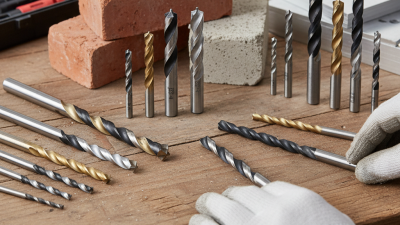
Material selection is equally important. High-speed steel handles general metalwork, while cobalt-alloy bits resist heat during demanding applications. Carbide-tipped bits suit masonry and abrasive surfaces, but they require careful pressure control. A useful set also offers multiple sizes, clear markings, and a durable case that prevents cutting edges from striking each other. Small details matter when the same bit is used throughout a long installation.

Professional users also examine manufacturing tolerances and published specifications. A bit that wanders on contact wastes time and can damage an expensive workpiece. Split-point tips often improve starting accuracy, especially on sheet metal. However, no geometry works perfectly everywhere.

I once chose a highly heat-resistant bit for a thin panel and applied too much pressure; the hole became rough and oversized. That mistake reinforced an important lesson: the best set supports good technique, rather than replacing it. Regular inspection is essential. Dull edges, chipped tips, or excessive discoloration signal that a bit needs replacement or controlled sharpening. A professional-grade set earns trust through repeatable results, not impressive packaging.
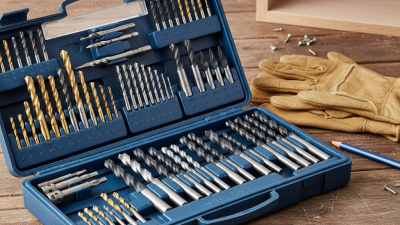
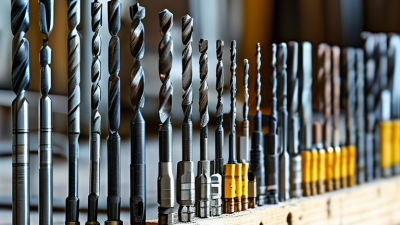
How Drill Bit Materials Affect Performance and Durability

What Is the Best Drill Bit Set for Professionals?

Professional drill bit sets are judged by more than the number of pieces. Material choice strongly affects cutting speed, heat control, and service life. In daily workshop use, high-speed steel handles general metal, wood, and plastic work reliably. It is tough, affordable, and easier to resharpen than many harder alternatives. However, it can lose its edge quickly when pushed through thick stainless steel.

Cobalt-alloy bits contain added cobalt, improving heat resistance during demanding metalwork. They are useful for stainless steel, cast iron, and repeated drilling cycles. Their added hardness also makes them more brittle. Excessive side pressure can chip the cutting edge. Carbide bits are harder still and maintain sharpness in abrasive materials, masonry, and hardened surfaces. Yet they need rigid tool control. A slight wobble may damage the tip. Coatings can reduce friction, but they cannot rescue poor drilling technique. I have seen coated bits fail early because the operator used excessive speed and no cutting fluid. The material was not the only problem.

Tips: Match the bit to the workpiece, not just the diameter. Use slower speeds for harder metals and apply suitable cutting fluid. Let the bit cut. Do not force it. Inspect the cutting edges after each demanding job, because small chips often appear before complete failure. A mixed set with high-speed steel, cobalt, and carbide options may serve professionals better than one expensive material. My own selection has changed with experience, and I still occasionally choose the wrong bit.

What Is the Best Drill Bit Set for Professionals? — How Drill Bit Materials Affect Performance and Durability
Drill Bit Material Typical Hardness and Heat Behavior Best-Suited Materials Performance Characteristics Durability Main Advantages Important Limitations Professional Use Recommendation
High-Speed Steel (HSS) Harder than standard carbon steel and designed to retain useful hardness at elevated drilling temperatures. Performs best with appropriate cutting speed and lubrication. Aluminum, mild steel, brass, copper, plastic, and hardwood. Versatile general-purpose cutting with good edge sharpness. Suitable for handheld and drill-press work. Moderate to high Balanced cost, toughness, availability, and versatility. Can usually be resharpened. Can lose edge life quickly when overheated, used at excessive speed, or applied to hardened steel. A strong foundation for a professional general-purpose set, especially when drilling varied materials.
Black Oxide-Coated HSS Uses an HSS core with a surface treatment that improves wear resistance and can help reduce friction and corrosion. Mild steel, stainless steel with proper technique, aluminum, brass, and plastics. Generally offers smoother operation and longer working life than uncoated HSS under comparable conditions. High for general use Improved surface durability, better resistance to light corrosion, and good value for frequent use. The coating does not make the bit suitable for every hardened material; once the cutting edges are damaged, performance falls. A practical upgrade over standard HSS for workshops that drill metal regularly.
Cobalt-Alloy HSS Contains a cobalt alloy that improves hot hardness and resistance to heat-related softening. Requires controlled feed and cutting speed. Stainless steel, high-strength steel, cast iron, and other difficult-to-machine metals. Maintains cutting ability better than ordinary HSS during demanding metal drilling, particularly when heat is difficult to control. Very high in demanding metal work Excellent heat resistance and longer edge life in stainless and high-strength steels when used correctly. More brittle than standard HSS, usually more expensive, and more sensitive to sideways force, poor alignment, and excessive feed pressure. One of the best choices for professional metalworking sets focused on stainless or high-strength steel.
Titanium-Nitride-Coated HSS A hard, low-friction coating over an HSS substrate. The coating improves surface wear resistance but does not change the underlying HSS toughness. Non-abrasive metals, mild steel, aluminum, brass, and general workshop materials. Can reduce friction and improve service life when the coating remains intact and the bit is used at suitable speeds. High in suitable applications Low-friction surface, good wear resistance, and smooth chip evacuation in many general metal-drilling tasks. Not ideal for heavy abrasion or repeated high-temperature drilling. Sharpening can remove the coating from the cutting edge. Useful for high-volume general metal drilling, but not a substitute for cobalt alloy when heat resistance is the priority.
Carbide-Tipped A tough steel body with a carbide cutting tip or insert. Carbide stays hard at high temperatures but is more brittle than HSS. Masonry, concrete, brick, tile, fiber cement, and some abrasive materials, depending on tip design. Designed for impact or abrasive cutting rather than conventional metal drilling. Performance depends strongly on the tip geometry and drilling mode. High against abrasion Excellent wear resistance in masonry and abrasive materials. Often suitable for hammer-drilling when specifically designed for it. Can chip or fracture if bent, dropped, misaligned, or used on unsuitable materials. Not a universal metal-drilling bit. Essential for professional masonry work; select a tip design specifically rated for rotary or hammer drilling.
Solid Carbide Very hard and highly resistant to heat and wear, but significantly more brittle than HSS and sensitive to vibration. Non-ferrous metals, abrasive composites, fiberglass, hardened materials, and precision production applications. Provides excellent dimensional stability and high cutting performance in rigid machines with controlled conditions. Very high with proper setup Superior wear resistance, high-temperature capability, and strong performance in precision, repetitive drilling. Expensive, brittle, and vulnerable to shock, runout, interrupted cuts, and handheld misuse. Best reserved for rigid drill presses, machining centers, or specialized professional applications rather than general handheld sets.
Diamond-Grit or Diamond-Coated Uses diamond particles for abrasive cutting rather than a conventional sharpened edge. Generates heat if water cooling or suitable lubrication is not used. Glass, ceramic tile, porcelain tile, stone, fiberglass, and other hard brittle materials. Creates clean holes in brittle materials when pressure is controlled and the bit is kept cool. High for abrasive materials Excellent for specialized drilling where standard twist bits can crack or fail to cut effectively. Slow compared with ordinary twist bits, unsuitable for most steel, and prone to premature wear if overheated or used without proper cooling. Choose for dedicated tile, glass, stone, or composite work; it should complement, not replace, an HSS-based set.

Professional selection should match the bit material to the workpiece, machine rigidity, drilling speed, feed pressure, and cooling method. No single material is best for every application: cobalt-alloy HSS is often the strongest choice for difficult metals, carbide-tipped designs are preferred for masonry, and standard or coated HSS provides the broadest general-purpose coverage.

Which Bit Types and Sizes Should a Professional Set Include?

A professional drill bit set should match real work, not fill a case with rarely used sizes. In my workshop, a reliable core includes high-speed steel twist bits for mild steel, brad-point bits for clean wood holes, and masonry bits for brick or block. Add step bits for sheet metal and spade bits for fast, rough timber work. A hole saw range is useful when conduit or pipe openings exceed ordinary bit capacity.

Size coverage matters more than an impressive piece count. The core metric range should run from about 1/16 inch to 1/2 inch, with 1/64-inch increments for smaller metalwork. Metric sizes from 1.5 mm through 13 mm prevent awkward conversions on imported hardware. Include longer bits for deep framing holes, but avoid excessive overlap. It adds weight, not capability.

The U.S. Bureau of Labor Statistics projects about 649,300 annual openings across construction and extraction occupations from 2023 to 2033. That demand supports versatile, replaceable bit systems for daily field use. A 2024 Grand View Research report also placed the global power tools market above 40 billion dollars, reflecting continued professional equipment demand. These figures do not prove one set is best. They only show the scale of the work. I still replace damaged bits individually. No kit is perfect. A professional should check coating, flute design, shank compatibility, and spare availability before buying.

What Is the Best Drill Bit Set for Professionals?

A professional set should cover common diameter ranges across metal, masonry, wood, and large-hole applications. The ranges shown represent commonly stocked professional assortments; exact sizes may vary by project and material.

How to Compare Precision, Compatibility, and Organization

For professionals, the best drill bit set is not always the largest. It should deliver clean holes, consistent edges, and predictable performance under pressure. Precision starts with accurate tip geometry and straight, well-finished shanks. In daily workshop use, I inspect several bits against a flat surface before drilling. Even slight bending can create vibration, oversized holes, or damaged materials. A sharp point helps, but controlled cutting matters more.

Compatibility requires careful comparison. Check the shank size against your drill chuck or quick-change holder. Then match the bit material and angle to the workpiece. A general-purpose bit may handle mild steel, wood, and plastic, but it may struggle with hardened metal or abrasive surfaces. For repeated masonry work, use bits designed for impact and heat resistance. Fit matters. Product specifications should state diameter ranges, recommended materials, and operating limits clearly. If those details are vague, reliability becomes difficult to judge.

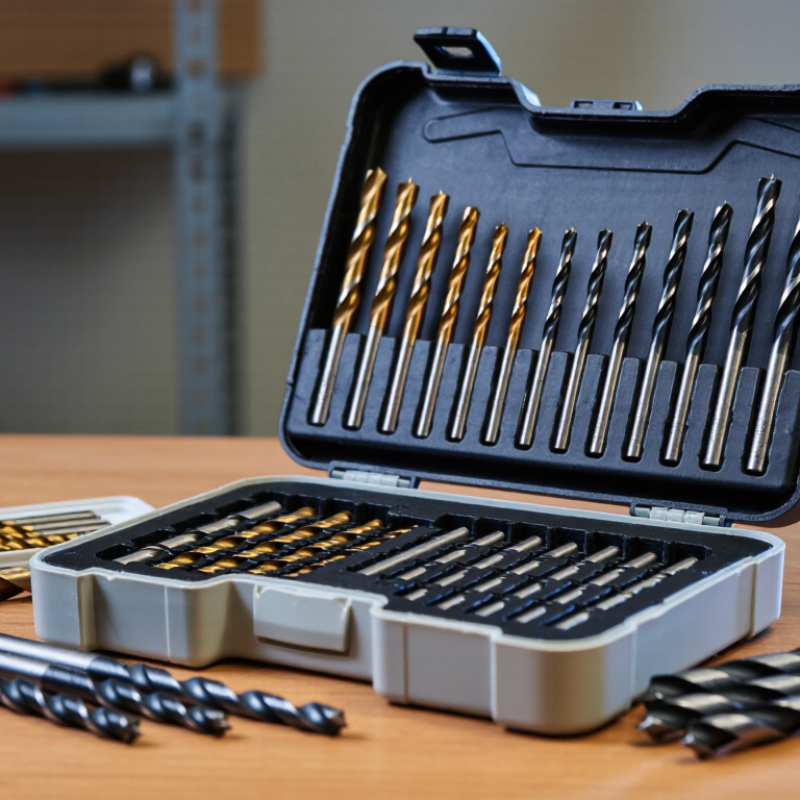
Organization affects precision more than many buyers expect. A rigid case with readable size markings reduces selection errors and keeps cutting edges protected. Separate slots prevent bits from rubbing together inside a tool bag. Labels save time. I once chose a nearly correct diameter because two worn markings looked similar under poor lighting. That mistake reminded me to inspect the case, not just the bits. A spare slot for frequently used sizes is useful, although some sets include too many rarely needed pieces. Practical comparison should consider your actual work, storage habits, and replacement needs.

How to Choose a Drill Bit Set for Specific Professional Tasks

Choosing the best drill bit set starts with the material, not the number of pieces. For steel, use bits rated for high heat and repeated cutting. For masonry, choose carbide-tipped designs with reinforced flutes. Woodworkers usually need brad-point bits for clean entry holes and reduced wandering. The diameter range should match your drawings, fasteners, and machine limits.

Size matters.

A professional set should also suit the jobsite. Check shank compatibility, coating durability, flute geometry, and storage access. A loose bit case wastes time and increases damage risk. The U.S. Department of Labor’s OSHA standard 29 CFR 1910.242 requires hand and power tools to remain safe and properly maintained. That supports regular inspection, not blind confidence in premium-looking finishes.

The 2024 Liberty Mutual Workplace Safety Index reported $53.9 billion in direct U.S. costs from overexertion injuries in 2022. Selecting the right bit can reduce pressure, binding, and repeated force during drilling.

It cannot replace proper posture or controlled feed pressure. My own judgment sometimes fails when a bit appears sharp but cuts slowly. Heat marks tell a harsher story. For mixed professional work, a smaller, task-focused set may outperform a large general-purpose kit. Check the manufacturer’s technical ratings, then test one hole in scrap material. That small test prevents expensive assumptions.