10 Best Miter Saw Blades for 2026
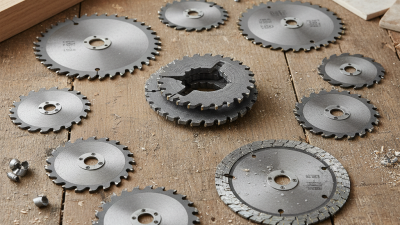
Choosing the right Miter Saw Blade can make the difference between clean trim joints and chipped, frustrating cuts. For 2026, this guide compares ten options for common tasks, from framing lumber to delicate molding and sheet goods.
To judge a blade, look beyond the tooth count. Tooth geometry, kerf width, plate quality, and the material being cut all affect finish, cutting speed, and waste. A high-tooth-count blade may leave a smoother edge in suitable stock, but it can cut more slowly. Blade choice is a trade-off.
Small details matter.
Check the blade diameter and arbor size against your saw’s manual before buying. Confirm its stated material range, too; a blade designed for wood should not be assumed suitable for metal or every composite. Keep the workpiece supported, and follow the manufacturer’s operating instructions. Those checks are easy to overlook when a product listing promises a perfect finish.
The selections in this roundup are organized around practical needs, including versatile workshop use, fine crosscuts, and budget-conscious replacements. Product specifications and intended applications provide a useful starting point, but results can vary with the saw, stock, and setup. Even a premium blade cannot fix a loose fence or a dull, misaligned machine. That is worth remembering.
Use the comparisons to narrow your choices, then verify current specifications and compatibility before ordering. The best blade is not always the most expensive one; it is the one that suits your saw, material, and expectations.
How Miter Saw Blades Work and What Makes Them Different
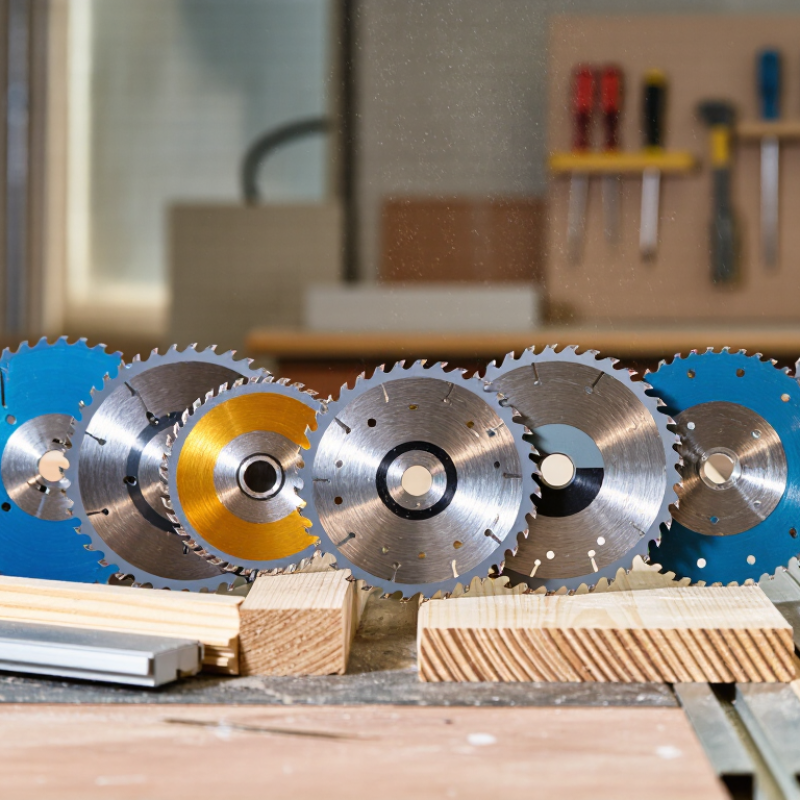
A miter saw blade works like a row of tiny chisels. Each tooth cuts a small chip as the blade spins through the workpiece. Tooth count, tooth shape, hook angle, and kerf—the width of the cut—all affect the result. More teeth often leave a smoother edge, but they can cut more slowly and may build heat in dense material. Fewer teeth clear chips quickly, though the edge may need extra sanding. There is no magic number. A common mistake is choosing by tooth count alone and overlooking the material and cut type.
Wood itself adds variables. The USDA Forest Products Laboratory’s Wood Handbook (FPL-GTR-282, 2021) places wood’s average fiber saturation point at about 30% moisture content. Below that point, changing moisture can affect wood dimensions, which may alter how a cut behaves. Blade sharpness matters, too: dull teeth can burn the cut, leave rough fibers, or push the workpiece instead of slicing cleanly. Keep the stock firmly supported, and match the blade’s permitted speed to the saw. Small details matter. Even a suitable blade can disappoint when the board shifts or the cut is rushed.
10 Best Miter Saw Blades for 2026 — How Miter Saw Blades Work and What Makes Them Different
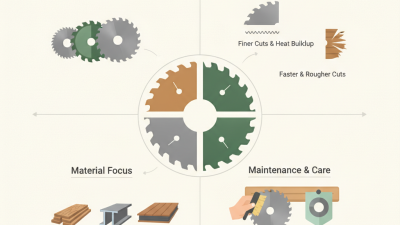
Tooth count is one factor that shapes a blade’s cutting behavior. Lower-tooth-count blades typically cut faster, while higher-tooth-count blades are commonly used for smoother crosscuts and finish work. These are representative configurations; tooth counts and recommended uses vary by blade diameter, material, and manufacturer.
Key Factors for Choosing a Miter Saw Blade in 2026
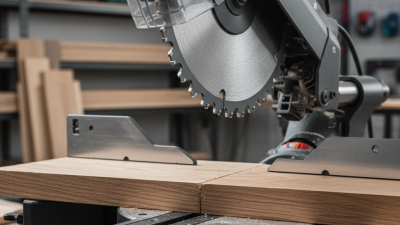
Choosing a miter saw blade starts with the material and the cut. A blade made for clean crosscuts in hardwood may not be the best choice for framing lumber or thin trim. Check the saw’s manual for the required blade diameter, arbor size, and maximum speed. Fit comes first. A blade that does not match the saw can perform poorly and create a safety risk.
Tooth count affects the finish, but more teeth are not automatically better. Higher counts often leave smoother crosscuts, while fewer teeth can clear chips faster in rougher work. Consider tooth geometry and blade material, too; carbide-tipped teeth generally hold an edge longer than basic steel teeth. Kerf matters as well. A thin-kerf blade removes less material, but it must suit the saw and the workpiece. Check the cut rating, not just the label.
For a practical check, cut a scrap piece of the same material you plan to use. Look for splintering, burning, or a wandering cut, and inspect the blade for resin buildup or damaged teeth. Results can vary with feed pressure and workpiece support, so one test is not a complete verdict. I sometimes give tooth count too much attention; matching the blade to the cut is usually the better starting point.
10 Best Miter Saw Blades for 2026
Choosing among the 10 best miter saw blades for 2026 starts with the material and cut you need. A fine-tooth blade can leave cleaner edges on trim, while a lower-tooth option may cut framing lumber faster. Tooth count alone is not a quality rating. Check the blade diameter, arbor size, kerf, and saw’s speed limits before buying. A blade that does not fit the tool is not a useful upgrade.
Tips: Match the blade to the job. For painted trim, test a cut on scrap first. Support long boards, and let the blade reach full speed before cutting. Small habits matter.
A practical shortlist should include blades for finish trim, plywood, general construction, and non-ferrous metals, where the saw is rated for that work. Carbide-tipped teeth can stay sharp longer, but the right tooth geometry still matters. Thin-kerf blades can reduce material waste, though some saws may show more deflection with them. That tradeoff is easy to overlook. Keep blades clean, inspect teeth for damage, and replace a blade that burns wood or leaves rough cuts despite correct setup. The “best” choice is the one suited to your saw, stock, and finish expectations—not simply the most expensive option.
Matching Blade Types to Wood, Metal, and Composite Materials
A miter saw blade is not “best” in isolation; tooth geometry, kerf, and plate stiffness must suit the material and saw. For clean hardwood crosscuts, a higher tooth count often leaves fewer torn fibers when the blade is sharp and the feed is steady. Very fine teeth can cut slowly. That matters on thick stock.
Softwood usually benefits from a lower tooth count, which clears chips faster during ripping. For plywood and veneered panels, a fine-tooth crosscut or combination blade can reduce splintering at the face. A zero-clearance insert and painter’s tape may help, but neither replaces solid support. Keep it sharp.
Metal requires a blade rated for the specific material and approved for the saw. Aluminum is commonly cut with a suitable nonferrous-metal blade; do not assume a wood blade is safe. Composite decking and fiber-cement products can contain abrasive fillers that wear teeth quickly. Check the material and saw instructions, and control dust. A universal blade saves changes, but may leave a rougher edge than a material-matched one. Labels help, though they cannot guarantee the same finish on every saw.
How to Maintain and Replace a Miter Saw Blade Safely
10 Best Miter Saw Blades for 2026
Safe blade care begins before the wrench touches the arbor nut. Unplug the saw, or remove its battery, and wait until the blade stops completely. Follow the saw’s manual for the correct removal direction and tightening method. Wear eye protection and use care around sharp teeth. Check that the replacement blade matches the saw’s diameter, bore, and speed rating. Inspect it for cracks, missing teeth, or warping; a quick glance can miss damage. Clean the flanges and arbor before installation, since trapped sawdust can prevent the blade from seating flat. Never rush this.
The U.S. Bureau of Labor Statistics reported 2.6 million nonfatal workplace injuries and illnesses in private industry in 2023. That figure is not specific to miter saws, but it reinforces the value of consistent safety routines. After fitting the blade, confirm the guard moves freely and the fastener is secure according to the manual. Keep hands clear, stand out of the blade’s path, and make a brief test run without cutting material. If the saw vibrates or sounds unusual, stop and inspect it. A clean blade may still be damaged; appearance alone is not proof of safety.
Tips: Clean resin with a suitable blade cleaner, not a tool that can nick the teeth. Replace a blade that stays dull, burns wood, or produces rough cuts after cleaning. Keep the manual nearby; guessing at torque is a habit worth questioning.