How to Choose the Best Wood Sanding Disc for Grinder?
Choosing the right Wood Sanding Disc for Grinder is crucial for achieving a smooth finish. Whether you're a DIY enthusiast or a professional woodworker, the right sanding disc influences your results. There are many options available, which can make the selection process overwhelming.
When considering a Wood Sanding Disc for Grinder, understand your project needs. Different materials and grit levels serve various purposes. For instance, coarse grits quickly remove material, while fine grits perfect the surface. Selecting the wrong grit can lead to unwanted scratches or uneven surfaces, making it vital to choose wisely.
Additionally, quality and compatibly with your grinder matter. Investing in a high-quality disc can save time and frustration. However, not all products promise the same durability. Researching brands and reading user reviews can provide insights. The wrong choice might lead to poor results, making it essential to approach your selection thoughtfully.
Understanding the Basics of Wood Sanding Discs for Grinders
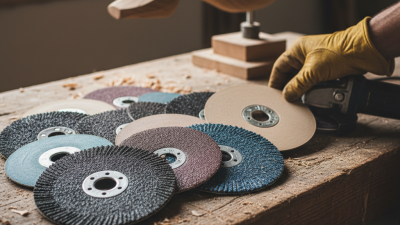
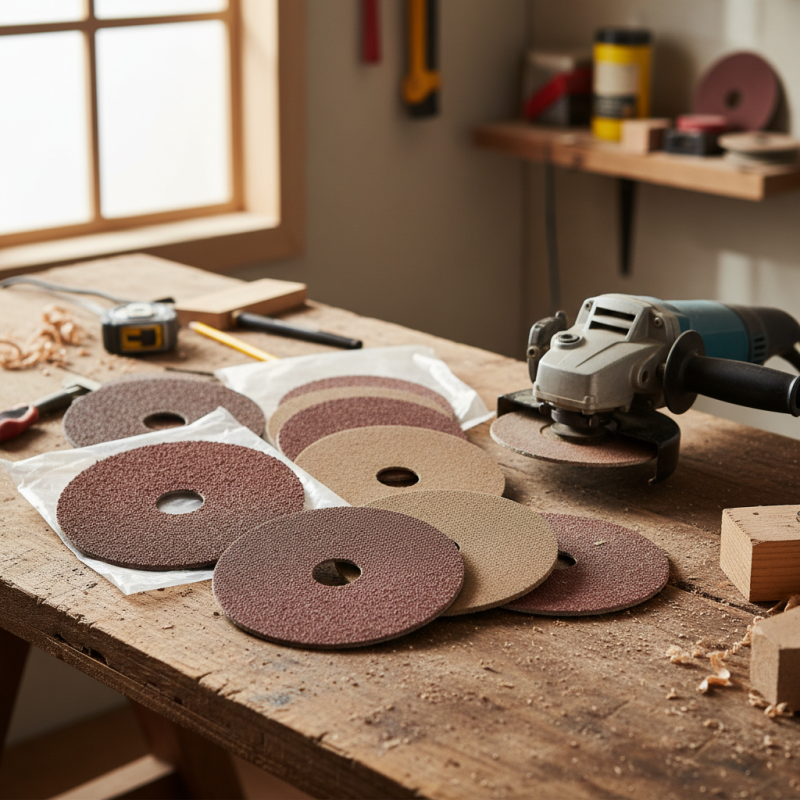
Choosing the right wood sanding disc is crucial for effective and smooth results. Wood sanding discs come in various grits, sizes, and materials. Each type has its unique characteristics that impact performance. Lower grit numbers, like 60 or 80, offer more aggressive sanding. They are useful for removing material quickly. Higher grits, such as 220 and above, are for finishing and smoothing surfaces. Understanding these differences can enhance your woodworking projects.
Compatibility with your grinder is another important factor. Discs must fit securely to ensure safe operation. Different grinders require specific attachments. Not all grinders handle every disc type well. Sometimes, experimentation is necessary to find the best match. It can be frustrating, as not every combination will yield good results. However, many woodworkers learn through trial and error.
Material type is equally significant. Some discs are made from aluminum oxide, while others use ceramic or silicon carbide. Each material provides distinct durability and finish quality. Depending on your project, one may perform better than the others. Assessing your needs and trying out various options can lead to improvements in your work. Embrace the process of discovery and be patient as you refine your choice of sanding discs.
How to Choose the Best Wood Sanding Disc for Grinder?
| Disc Type |
Grit Size |
Material |
Best Use |
Lifespan |
| Zirconia |
40-120 |
Zirconia Alumina |
Removal of Paint, Heavy Stock Removal |
Medium (depends on usage) |
| Aluminum Oxide |
60-220 |
Aluminum Oxide |
General Purpose Sanding |
Long |
| Ceramic |
80-320 |
Ceramic Grain |
Heavy Stock Removal, Wood and Metal |
Very Long |
| Silicone Carbide |
120-400 |
Silicone Carbide |
Finishing Work, Fine Sanding |
Medium |
| Diamond |
Varies |
Synthetic Diamonds |
Hard Materials, Stone and Concrete |
Very Long |
Types of Wood Sanding Discs: Materials and Grits Explained
When selecting wood sanding discs, understanding materials and grits is essential. Discs commonly use aluminum oxide, silicon carbide, or ceramic. Aluminum oxide is durable and ideal for general-purpose woodworking. Silicon carbide works best for difficult surfaces like fiberglass or plastic. Ceramic, however, stands out for heavy-duty tasks, offering exceptional longevity and aggressiveness.
Grit sizes vary significantly. Lower grits (like 40 or 60) remove material quickly, making them suitable for shaping and rough sanding. They leave a coarser finish. Medium grits (80 to 120) smooth surfaces without removing much material. Higher grits (above 150) provide fine finishes. According to industry data, using the right grit can cut sanding time by up to 30%.
Sanding discs must match the project scope. Improper selection can lead to uneven surfaces or excessive wear on the tool. Each material and grit offers unique benefits and downsides. For example, ceramic may last longer but could be overkill for simple tasks. Matching your sanding disc correctly to the job can improve efficiency.
Factors to Consider When Selecting a Sanding Disc for Your Grinder
Choosing the right wood sanding disc for your grinder can significantly impact your project’s outcome. One crucial factor is the grit level. Coarse grits, like 40 or 60, are excellent for heavy material removal. If you want a smoother finish, opt for finer grits, such as 120 or 220. Remember, starting with a coarse grit and progressing to finer grits can yield the best results.
Material type is also essential. Sanding discs are typically made from aluminum oxide or silicon carbide. Aluminum oxide is versatile and durable for wood materials, while silicon carbide is sharper and suitable for harder surfaces. Match the disc material with your specific project goals for optimal efficiency.
Lastly, consider the disc size and attachment method. Ensure your sanding disc fits securely on the grinder. A loose connection can lead to accidents or subpar performance. Regularly check your discs for wear and replace them as needed. Reflect on your sanding technique; even minor adjustments can lead to better results. Understanding these factors is key to achieving a polished finish.
Best Wood Sanding Discs for Grinders: Key Factors Comparison
Matching Sanding Disc to Your Specific Woodworking Project Needs
When selecting a wood sanding disc for your grinder, matching it to the project is essential. Different wood types and finishes require specific grit sizes. For example, coarse grits (40-60) remove material quickly but may leave deep scratches. Medium grits (80-120) work well for smoothing surfaces. Fine grits (180 and above) are used for final sanding before finishing. Industry studies show that using an incorrect grit can reduce sanding efficiency by up to 30%.
The material of the sanding disc also matters. Aluminum oxide is popular for hardwood but may wear out faster on softwoods. Zirconia alumina lasts longer but costs more, ideal for heavy-duty tasks. Ceramic grains offer the best durability but can sometimes overheat wood if sanding is prolonged. Reports indicate that mismatched disc materials cause uneven sanding and increase rework time by 15-20%.
Choosing the right disc size for your grinder is another factor. Smaller discs provide better control on detailed projects but cover less surface area. Larger discs are efficient on flat panels but harder to handle near edges. Reflecting on past projects, many overlook disc compatibility with grinder speed, leading to premature disc wear or wood burning. These small mistakes often affect final quality more than expected.