Choosing reliable Floor Sander Sheets requires more than comparing prices or counting abrasive grades. This article introduces China’s top ten suppliers for 2026, focusing on product consistency, backing strength, grit accuracy, dust control, and export experience. These details matter on real job sites. A sheet may look uniform under bright warehouse lights, yet tear quickly on oak flooring. That small failure can increase labor, waste, and customer complaints.
Brett Miller, a recognized flooring specialist and former technical leader at the National Wood Flooring Association, states, “A good floor finish starts with proper preparation.” His point remains practical. The right abrasive must match the machine, timber species, coating condition, and sanding stage. Coarse aluminum oxide may remove damaged finish efficiently. Finer silicon carbide can help create a smoother surface before coating. Still, product descriptions do not replace testing.
Supplier performance can vary.
The ranking therefore considers factory capability, quality-control procedures, private-label support, packaging, minimum order quantities, and communication. It also examines whether suppliers provide technical data, sample sheets, and traceable production information. These checks cannot guarantee every shipment. No supplier list can. Buyers should test samples on their own machines and confirm compatibility before placing large orders.
Some suppliers may appear less impressive because they have limited online information. That does not automatically indicate weak manufacturing. Conversely, polished websites do not prove abrasive quality. This guide combines available business information with practical purchasing criteria, while acknowledging those limitations. It is designed for importers, distributors, contractors, and flooring professionals seeking dependable Floor Sander Sheets from China in 2026.
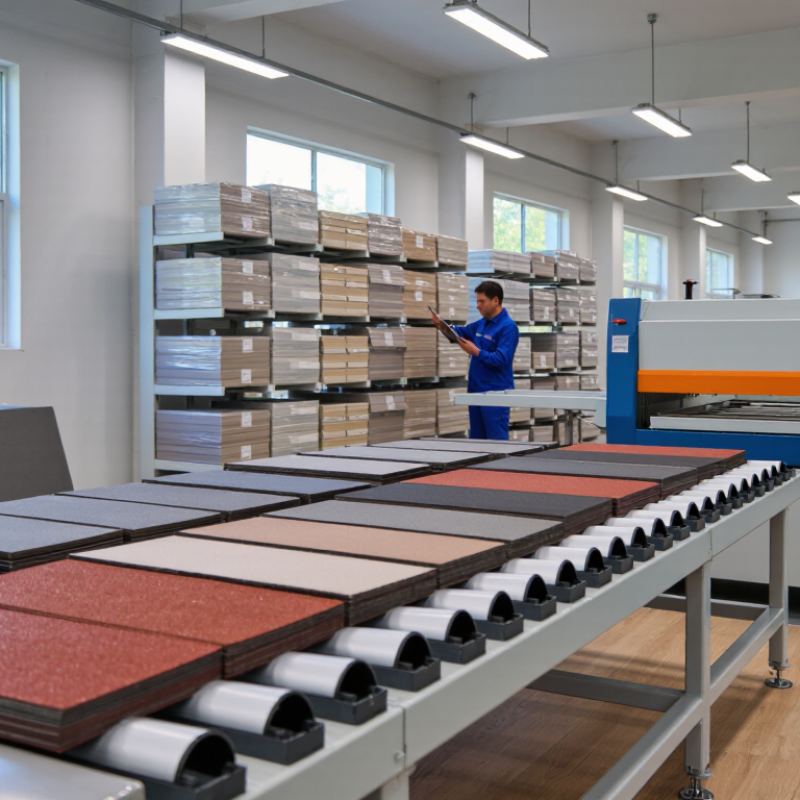
Floor sander sheets are coated abrasive papers or fabrics cut for sanding machines. They combine a backing, adhesive layer, and mineral grains. Grit numbers indicate surface aggression: lower grits remove old finish, while higher grits refine scratches. Common choices include aluminum oxide and ceramic grain.
A technician normally begins with coarse sheets, such as P36 or P40, when leveling uneven timber. Medium grits around P60 to P80 remove visible sanding marks. Fine sheets, often P100 to P150, prepare the floor for coating. Each sheet must sit flat on the pad. A folded edge can leave a deep crescent-shaped mark.
The process needs control. Move the machine steadily, keep dust extraction connected, and avoid stopping while the abrasive rotates. Inspect the floor under side lighting; a clean surface can still hide cross-grain scratches. The Industrial Abrasives Market report by Grand View Research describes coated abrasives as a major product segment and forecasts continued market growth through 2030. The U.S. Bureau of Labor Statistics also projects employment growth for flooring installers and tile setters from 2023 to 2033, supporting ongoing demand for practical sanding materials. In real workshops, grit recommendations are not absolute. Timber hardness, finish thickness, moisture, and machine pressure change the result. I have found that using a finer sheet too early often wastes time, rather than protecting the floor.
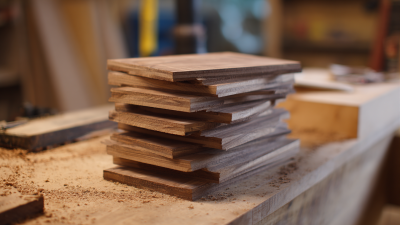
Floor sander sheets are abrasive sheets fitted to orbital, belt, or large floor sanding machines. Coarse grits remove old coatings and level uneven wood, while finer grits smooth the surface before staining, sealing, or polishing.
The chart uses commonly published FEPA P-grade nominal mean particle sizes. Actual results depend on the wood species, coating thickness, machine pressure, and sanding speed.
Evaluating China’s floor sander sheet suppliers in 2026 requires more than comparing prices. Examine abrasive grain, backing strength, hole alignment, and adhesive quality. A reliable supplier should provide recent test data and traceable batch records. Ask how grit size is checked during production. Request samples from different batches, not one perfect parcel.
One sample can mislead.
Test the sheets on real flooring materials. Check cutting speed, dust extraction, edge wear, and clogging after twenty minutes. Measure the sheet’s dimensions before and after use.
Weak backing often curls near the corners. That detail matters.
Ask suppliers about storage temperature, moisture control, packaging, and shipping protection. Clear answers usually indicate stronger process control.
Factory evidence also deserves attention. Review quality procedures, inspection equipment, worker training, and corrective-action records. Independent certification can support credibility, but it should not replace physical testing. Speak with technical staff, not only sales representatives. Their answers reveal practical knowledge.
I would also compare response time and document accuracy. A supplier may offer excellent samples yet struggle with repeat orders. That is a common blind spot.
Keep written specifications, approval samples, and acceptable tolerance ranges. Recheck them during production. Mistakes still happen, even with careful suppliers. Reliability comes from detecting them early.
China’s Top 10 Floor Sander Sheet Suppliers for 2026 reflect a competitive manufacturing market. The strongest suppliers usually offer abrasive sheets for wood, concrete, and coated surfaces. Their product ranges may include aluminum oxide, silicon carbide, and ceramic grain options. Each material suits different sanding pressure and floor conditions.
A reliable supplier should provide stable grit grading, strong backing paper, and clean edge cutting. Factory experience matters, but it is not everything. Production audits, sample testing, and clear technical documents also deserve attention. Ask about sheet dimensions, dust resistance, moisture storage, and packaging strength. A good supplier should explain performance limits without promising unrealistic results. Some suppliers may provide attractive prices, yet their abrasive coating can wear unevenly. This is easy to miss during a short test.
Tips: Request samples from several suppliers before placing a bulk order. Test them on the same floor material, using identical machine settings. Check cutting speed, heat buildup, dust release, and service life. Keep photographs and test notes for comparison. Confirm quality tolerances in writing. Small details often decide the real cost. One more point deserves reflection: the cheapest sheet may increase labor time and replacement waste.
China’s leading floor sander sheet suppliers provide abrasive sheets for drum, orbital, edge, and planetary sanding machines. Their common products include aluminum oxide, silicon carbide, zirconia, and mesh-backed sheets. Grit options often range from coarse 16-grit sheets to fine 240-grit finishes. Fit is critical.
Suppliers usually offer pre-cut sheets, rolls, discs, and hook-and-loop formats. Some adjust length, width, hole patterns, backing weight, and abrasive density for specific machines. They can also provide samples before bulk orders, which helps contractors test cutting speed, dust release, and finish quality on oak or concrete floors. Samples matter.
Their services often include technical grit recommendations, private packaging, carton design, inspection reports, and export documentation. Experienced factories may check bonding strength, edge trimming, and batch consistency before shipment. A few provide replacement support when sheets arrive damaged or perform below agreed standards. However, specifications can vary between suppliers, even when grit numbers look identical. Buyers should request test data and compare actual sanding results, not only prices. I have found that a cheaper sheet may require more changes and create extra labor. That weakness is easy to miss during procurement. Reliable communication remains essential when floor type, machine pressure, and working temperature change.
| Supplier Profile | Primary Product Categories | Abrasive Materials | Common Grit Range | Backing Options | Typical Sizes and Shapes | Value-Added Services | Typical MOQ | Typical Production Lead Time |
|---|---|---|---|---|---|---|---|---|
| Supplier Profile 01 | Floor sanding discs, hook-and-loop sheets, abrasive rolls | Aluminium oxide, silicon carbide | P16–P240 | Paper, cloth, film, hook-and-loop backing | 7–20 in discs; rectangular sheets; continuous rolls | OEM sizing, private packaging, grit selection, pre-shipment inspection | 500–1,000 pieces | 15–25 days |
| Supplier Profile 02 | Wood-floor sanding sheets, perforated discs, abrasive pads | Aluminium oxide, ceramic grain, silicon carbide | P24–P320 | Heavy paper, polyester cloth, mesh | 8–17 in discs; 4 × 24 in and 4 × 36 in sheets | Dust-hole patterns, sample approval, carton customization, export documentation | 1,000 pieces | 20–30 days |
| Supplier Profile 03 | Concrete floor sanding discs, diamond abrasive sheets, polishing pads | Diamond abrasive, silicon carbide, resin-bond compounds | 16–400 grit | Polyester, plastic, flexible composite backing | 3–17 in discs; rectangular hand sheets; floor-machine pads | Bond and hardness selection, tool compatibility guidance, performance testing | 100–500 pieces | 25–40 days |
| Supplier Profile 04 | Hand sanding sheets, delta sheets, detail-sander abrasives | Aluminium oxide, garnet, silicon carbide | P40–P600 | Latex paper, waterproof paper, film | 5 × 7 in sheets; triangular sheets; punched multi-hole sheets | Retail-ready packaging, barcode labeling, mixed-grit assortment packs | 2,000–5,000 pieces | 15–25 days |
| Supplier Profile 05 | Industrial floor sanding rolls, wide abrasive belts, sanding sheets | Ceramic grain, zirconia alumina, aluminium oxide | P24–P180 | Polyester cloth, cotton cloth, reinforced paper | 6–12 in wide rolls; custom-length sheets; belt formats | Jointing, roll slitting, machine matching, technical product recommendations | 50–200 rolls | 25–35 days |
| Supplier Profile 06 | Automotive and refinishing sanding sheets, wet-and-dry abrasives | Silicon carbide, aluminium oxide, ceramic grain | P80–P2,000 | Waterproof paper, latex paper, film | 9 × 11 in sheets; discs; hook-and-loop rolls | Water resistance testing, grit-mix kits, custom printing, retail display support | 1,000–3,000 pieces | 18–28 days |
| Supplier Profile 07 | Floor buffer screens, mesh sanding sheets, polishing accessories | Silicon carbide, aluminium oxide, synthetic diamond | P60–P400 | Open mesh, nonwoven fiber, flexible film | 13–20 in round screens; rectangular mesh sheets | Dust-flow optimization, custom perforation, private-label packing, sample trials | 500–1,000 pieces | 20–30 days |
| Supplier Profile 08 | Metal and wood combination abrasives, heavy-duty sanding sheets | Zirconia alumina, ceramic grain, aluminium oxide | P24–P320 | Heavy cotton, polyester cloth, reinforced paper | Discs, belts, strips, rectangular sheets | Heat-resistant backing, custom dimensions, batch traceability, quality reports | 300–800 pieces | 25–35 days |
| Supplier Profile 09 | Premium wood-floor abrasives, edge-sander sheets, sanding belts | Ceramic grain, zirconia alumina, aluminium oxide | P16–P180 | Cloth, heavy paper, polyester-reinforced backing | Edge-sander sheets; 6–10 in discs; sanding belts | Machine compatibility checks, abrasive-life testing, packaging design, export support | 200–600 pieces | 20–35 days |
| Supplier Profile 10 | General-purpose sanding sheets, abrasive kits, maintenance packs | Aluminium oxide, silicon carbide, garnet | P40–P1,000 | Paper, waterproof paper, film, hook-and-loop backing | Standard sheets, discs, triangles, assorted multi-packs | Mixed-grit packaging, instruction inserts, carton consolidation, inspection services | 1,000–5,000 pieces | 15–30 days |
Note: The profiles are anonymized supplier categories rather than company or brand names. Product specifications, minimum order quantities, and lead times represent common commercial ranges for Chinese abrasive-product manufacturers and should be confirmed with each supplier before purchasing.
China Top 10 Floor Sander Sheets Suppliers in 2026
Choosing among China’s top floor sander sheet suppliers requires more than comparing prices. Check abrasive grain, backing strength, grit consistency, and dust resistance. A reliable supplier should provide clear specifications, production photos, and recent quality records. Ask for samples matching your machines and flooring materials. Oak, concrete, and coated surfaces can produce very different results.
Tips: Request three sample grades. Test each on the same floor area. Record cutting speed, surface marks, heat buildup, and sheet life. Confirm minimum order quantities, packaging details, lead times, and replacement policies before signing an agreement.
A supplier with export experience should explain inspection procedures without vague promises. Look for batch numbers, measurable tolerance data, and documented testing methods. Factory audits or video inspections can reveal storage conditions and worker processes. My own first screening mistake was trusting a polished catalog too quickly. The sheets looked strong, but their backing curled after extended use. That detail changed my evaluation process. Ask whether the supplier can maintain quality during seasonal demand, not only during a small trial order. Communication also matters. Clear replies about defects, shipping damage, and technical support often predict smoother cooperation. Some suppliers may lack perfect documentation, but they should respond honestly and improve the missing parts.