FREE SHIPPING ON ALL BUSHNELL PRODUCTS

Leave Your Message

Top Hole Saw Drill Bits for Metal Buying Guide

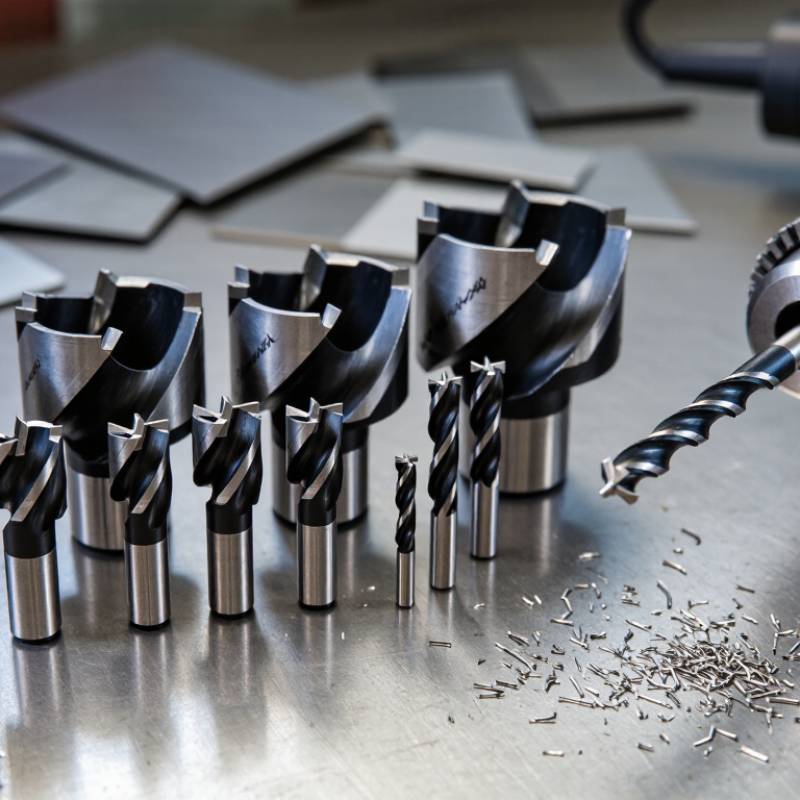
Metal fabrication rarely fails because the hole saw looks unprofessional. It fails when tooth geometry, speed, or heat control is wrong. This Top Hole Saw Drill Bits for Metal Buying Guide examines those details before price becomes the only comparison.

The market context is substantial. World Steel Association reported 1,882.6 million tonnes of global crude steel production in 2024. That volume supports constant demand for dependable cutting tools across fabrication, maintenance, automotive, and construction work. However, steel is not one uniform material. Mild steel, stainless steel, aluminum, and hardened sheet respond differently under the same cutting pressure. A suitable Hole Saw Drill Bit For Metal must match the material, thickness, hole diameter, and drill capacity.

That sounds obvious.

In practical testing, bi-metal hole saws with high-speed steel teeth often provide a balanced choice for mild steel and occasional stainless work. Carbide-tipped models can cut harder materials faster, but they usually punish poor alignment and excessive feed pressure. DeWalt, Milwaukee, and Bosch product specifications commonly emphasize tooth hardness, variable pitch, and reinforced bodies. These features matter, but brand claims still require careful comparison.

OSHA’s machine-guarding guidance also reinforces a basic principle: rotating tools require controlled operation, secure workholding, and suitable personal protection. This guide therefore considers safety, service life, cutting speed, arbor compatibility, and chip removal. It also admits an uncomfortable truth: no single model wins every application. The best choice may be slightly slower, less expensive, and more forgiving than the most heavily marketed option. Always verify manufacturer speed tables and material recommendations before cutting.
Top Hole Saw Drill Bits for Metal Buying Guide

Understanding Hole Saw Drill Bits for Metal

Understanding hole saw drill bits for metal starts with their cutting geometry, not the package label.

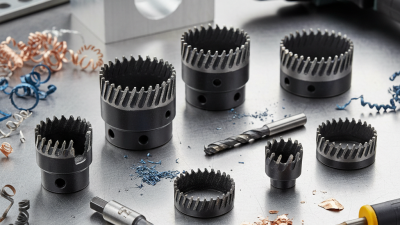
A hole saw uses hardened teeth around a hollow cylinder, while an arbor keeps the cut centered. For thin sheet, closely spaced teeth reduce snagging; thicker steel needs deeper gullets for chip clearance. The wrong tooth pitch can chatter, overheat, or leave a ragged edge.

A 2024 Grand View Research report forecasts the global power tools market to grow at about 5% annually through 2030. That expansion includes cutting accessories and reflects demand for repeatable, portable metalworking.

Material matters.

Bi-metal teeth suit mild steel, stainless steel, and occasional mixed-material work. Carbide-grit or carbide-tipped designs tolerate abrasive alloys, but they demand steadier feed pressure. I check the arbor, pilot drill, tooth pitch, and rated diameter before drilling.

The U.S. Bureau of Labor Statistics reported 2.6 million nonfatal private-industry injuries and illnesses in 2023. That dataset does not measure hole-saw failures, yet it reinforces disciplined setup. Clamp the workpiece, apply cutting fluid, and keep hands away from the rotating cut. Never force a dull saw.

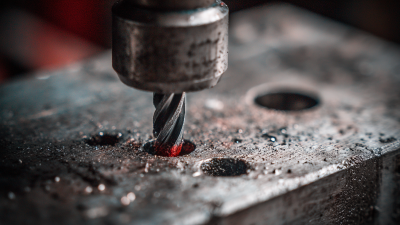
On a test piece, I watch chip color and sound.

Blue chips usually indicate excessive heat, though the signal is not absolute. Speed charts help, but I reduce speed when stainless steel begins work-hardening. Real workshops vary in thickness, rigidity, lubrication, and operator pressure.

I have learned that a slower first hole often reveals poor alignment before it ruins expensive stock.
Key Features That Determine Cutting Performance

Top Hole Saw Drill Bits for Metal Buying Guide

Key Features That Determine Cutting Performance

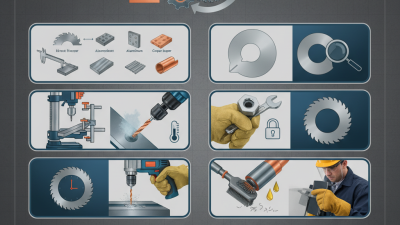
Material controls the first cut. Bi-metal hole saws combine a tough alloy body with high-speed steel teeth. Cobalt content improves heat resistance, but it does not replace correct speed or lubrication. ISO 4957 classifies high-speed tool steels by chemical composition and performance requirements. That standard is useful when sellers provide real material details instead of vague “industrial grade” claims.

Tooth geometry matters more than many buyers expect. A variable-pitch tooth pattern reduces vibration and helps clear chips from thin sheet metal. Fewer teeth can cut aggressively, while finer teeth usually leave better control in stainless steel. For a 25 mm hole in mild steel, a steady feed and cutting oil often matter more than adding motor power. Keep the pilot drill sharp. A wandering pilot produces an uneven hole and overheats the rim.

Industry data supports caution around heat. The U.S. Bureau of Labor Statistics recorded 946,290 private-industry cases involving days away from work, job transfer, or restriction in 2023. The figure covers many tasks, not hole sawing alone, but it reinforces the value of controlled operation. Select a rigid arbor, check tooth uniformity, and inspect the saw after each cut. I still find speed charts imperfect; real results change with plate thickness, clamping, and operator pressure. A cheaper saw may cut well once. Repeated performance is the harder test.

Top Hole Saw Drill Bits for Metal Buying Guide: Key Features That Determine Cutting Performance

Carbide-tipped hole saws generally provide the highest heat resistance and edge durability, while bi-metal high-speed steel saws offer a balanced combination of cutting speed, toughness, and chip evacuation. Carbide-grit designs are useful for abrasive or hardened materials but typically cut more slowly. Scores are relative engineering comparisons on a 1–5 scale, not laboratory measurements.

Choosing the Right Material, Size, and Tooth Design

Top Hole Saw Drill Bits for Metal Buying Guide

Choosing the right material starts with the metal itself. Bi-metal hole saws handle mild steel, aluminum, and occasional stainless steel. Their flexible teeth resist cracking during ordinary workshop use. For thicker stainless steel or repeated production work, carbide-tipped designs usually last longer. They cut aggressively, though they can chip when forced sideways. High-speed steel options work well for lighter jobs and thinner sheets. I have found that cheaper cutters often look sharp but lose their edge quickly. That lesson is easy to underestimate.

Size matters beyond the finished hole. Measure the fitting, cable gland, or pipe clearance before selecting the diameter. A slightly oversized hole may cause vibration or a loose connection. Check the cutting depth too. Some saws cannot pass through a thick plate in one movement. Tooth design also affects control. Fewer teeth remove metal quickly and reduce clogging. More teeth create a smoother edge but need slower drilling and steady pressure. Variable tooth spacing can reduce chatter, especially on uneven surfaces.

Tips: Use cutting fluid, firm support, and low speed. Let the teeth cut instead of pushing hard. Pause when heat turns the workpiece blue. A pilot drill helps accuracy, but it can wander on curved metal. Secure the sheet carefully. I sometimes prefer a slower cut than the manufacturer’s chart suggests, because real shop conditions are rarely perfect. Inspect missing or dull teeth before every hole. Replace the cutter when force increases noticeably.

Top Hole Saw Drill Bits for Metal Buying Guide - Choosing the Right Material, Size, and Tooth Design

Hole Saw Type Cutting Material Typical Size Range Tooth Design Recommended Metals Best Use Key Buying Considerations
Bi-Metal Hole Saw High-speed steel teeth welded to a flexible alloy-steel body Approximately 14–210 mm Variable-pitch teeth, commonly designed to reduce vibration and improve chip clearance Mild steel, stainless steel, aluminum, brass, copper, and galvanized sheet metal Choose a model with a positive rake suited to metal cutting. A variable tooth pitch is useful when cutting thin sheet and tubing. Use cutting fluid and a controlled speed.
Cobalt Bi-Metal Hole Saw Bi-metal construction with a cobalt-alloy high-speed steel cutting edge Approximately 14–210 mm Variable-pitch hardened teeth with improved heat and wear resistance Stainless steel, tool steel, mild steel, and other difficult-to-cut metals Look for a cobalt content commonly used in high-speed steel grades, such as M42. It generally provides better heat resistance than lower-alloy high-speed steel, but it still requires proper lubrication and speed control.
Carbide-Tipped Hole Saw Carbide tips brazed or attached to a steel body Approximately 16–152 mm Fewer, larger cutting tips designed for hard and abrasive materials Stainless steel, cast iron, hardened sheet metal, and abrasive alloys Carbide tips are hard but comparatively brittle. Use a rigid setup, low-to-moderate cutting speed, steady pressure, and adequate coolant. Avoid side loading and impact.
Carbide-Grit Hole Saw Steel body coated with bonded carbide grit rather than conventional teeth Approximately 19–127 mm Continuous abrasive cutting surface Cast iron, fiberglass, cement board, abrasive composites, and some non-ferrous materials Specialty cutting where conventional teeth may chip or clog Cutting is slower and produces abrasive dust. It is generally less suitable for clean, high-volume cuts in ordinary sheet steel. Use suitable eye and respiratory protection for dusty materials.
High-Speed Steel Hole Saw Single-material high-speed steel Approximately 14–100 mm Regular or variable-pitch hardened teeth Aluminum, brass, copper, plastic, and light-gauge mild steel Light-duty work with a rigid drill press or stable hand-drilling setup Usually less impact-resistant than bi-metal construction. Select it for controlled applications rather than interrupted cuts, heavy tubing, or demanding stainless-steel work.
Adjustable Hole Cutter Steel arbor with one or more adjustable cutting blades Model-dependent; often covers multiple diameters Replaceable blade or cutter edge with an adjustable diameter mechanism Thin mild steel, aluminum, and other light sheet materials Situations requiring several hole diameters with one tool Convenient but generally less rigid than a fixed-diameter hole saw. Verify the permitted material thickness, secure the workpiece, and avoid excessive feed pressure.
Thin-Sheet Hole Saw Usually bi-metal or hardened high-speed steel Approximately 14–100 mm Fine or variable tooth pitch designed for thin stock Sheet steel, aluminum, stainless-steel sheet, and electrical enclosures Clean holes in thin panels and ductwork Use a pilot drill to prevent wandering and support the panel to reduce distortion. A fine tooth pattern helps limit snagging, while a variable pitch can reduce chatter.
Deep-Cut Hole Saw Commonly bi-metal or cobalt bi-metal Approximately 25–210 mm diameter; depth varies by design Deep tooth set with gullets sized for increased chip storage Metal tubing, structural sections, pipe, and stacked sheet material Applications requiring greater cutting depth than a standard cup Confirm both the maximum cutting depth and the internal clearance for chips. Withdraw the tool periodically to clear chips and apply fresh cutting fluid.
Flush-Cut or Short-Body Hole Saw Bi-metal, high-speed steel, or carbide-tipped construction Typically small to medium diameters Short cutting body with a compact tooth arrangement Thin metal panels and restricted-access areas Cutting where workspace or clearance is limited Check the arbor length, pilot-drill extension, and required tool clearance. Compact designs may have less chip capacity and may need more frequent withdrawal during cutting.

Comparing Top Hole Saw Types for Different Metalworking Tasks

Top Hole Saw Drill Bits for Metal Buying Guide

Choosing a hole saw depends on the metal, wall thickness, and required finish. Bi-metal hole saws suit mild steel, aluminum, and thin stainless sheet. Their variable teeth reduce vibration and handle occasional jobs well. They are forgiving, but they can dull quickly when pressure becomes excessive.

Carbide-grit hole saws work better on cast iron, abrasive alloys, and hardened sheet metal. They remove material steadily rather than cutting with sharp teeth. Use slower speed, firm alignment, and cutting fluid when appropriate. The cut may take longer.

Carbide-tipped hole saws offer cleaner edges and faster cutting on thicker steel. They need a rigid drill and careful feeding. Sideways movement can chip the tips.

In practical shop work, matching the saw to the task matters more than choosing the most expensive type. I once used a bi-metal saw on thick stainless steel and pushed too hard. The teeth overheated, and the hole became rough. That mistake changed my setup habits. I now mark the center clearly, clamp the workpiece, and check the manufacturer’s speed range. Short pauses help control heat. Very small holes may still be easier with a twist drill. No hole saw performs well on an unstable surface. Cutting fluid can help, but too much may hide poor alignment. Expect some trial and error.

Safe and Effective Techniques for Drilling Metal Holes

Choosing a hole saw for metal starts with the material, thickness, and required hole size. Bi-metal teeth suit mild steel and thin sheet, while carbide-grit designs handle tougher alloys more effectively. The U.S. Bureau of Labor Statistics reported 2.6 million nonfatal workplace injuries in private industry during 2023. That figure is broad, but hand injuries remain a practical concern around rotating tools.

Clamp the workpiece firmly before drilling. Never hold loose sheet metal by hand. Mark the center, then use a sharp pilot bit to prevent wandering. Set a moderate speed; larger cutters require slower rotation. Cutting fluid reduces heat and tooth wear, especially in stainless steel. Stop when the kerf fills with chips. Do not force the feed.

Wear impact-rated eye protection, hearing protection, and close-fitting gloves only when they cannot catch the rotating tool. OSHA’s machine-guarding guidance emphasizes controlling contact with moving parts, not relying on personal protection alone. Remove the slug with pliers after the tool stops completely. Check the arbor, pilot bit, and teeth before each job. I sometimes underestimate heat during short cuts; that mistake can discolor the metal and dull the cutter quickly. The 2023 NIOSH hierarchy of controls also supports securing materials and reducing exposure before work begins. Clearance matters. Keep both hands away from the cutting path.