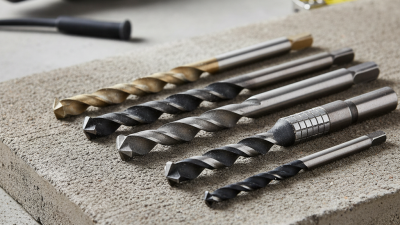
FREE SHIPPING ON ALL BUSHNELL PRODUCTS

Leave Your Message
Why Choose Carbide Bits For Metal? The answer begins with hardness, heat resistance, and predictable cutting performance. Carbide bits combine tungsten carbide particles with a metallic binder, often cobalt. This structure helps them resist abrasion when drilling steel, stainless steel, cast iron, and hardened alloys.
The U.S. Geological Survey’s Mineral Commodity Summaries 2024 reported approximately 84,000 metric tons of global tungsten mine production in 2023. Tungsten remains essential for cemented carbide tools. The report also identifies tungsten as a strategically important industrial material. Grand View Research further projects continued growth in the global cutting tools market, driven by automotive, aerospace, and precision manufacturing demand.
Real workshop experience adds another layer. A carbide bit can keep its edge while drilling a hot steel plate, but excessive vibration may chip its cutting tip within seconds. That detail matters. Material choice alone never guarantees success.
Manufacturing specialist Dr. Mohsen K. A. Elbestawi has repeatedly emphasized the importance of matching tool design, cutting parameters, and workpiece behavior. His practical message can be stated clearly: “Tool performance depends on the complete machining system, not the tool alone.”
This principle explains why Carbide Bits For Metal require careful selection. Coating, flute geometry, carbide grade, feed rate, and cooling method all influence service life. A bit that performs beautifully in mild steel may fail quickly in hardened stainless steel.
A perfect bit does not exist.
Readers should also question broad marketing claims. “Extreme durability” can hide poor geometry or unsuitable application guidance. Reliable decisions come from manufacturer data, recognized standards, and measured results from the actual workshop. That is where carbide’s real advantage becomes visible: cleaner holes, longer edge retention, and fewer tool changes.
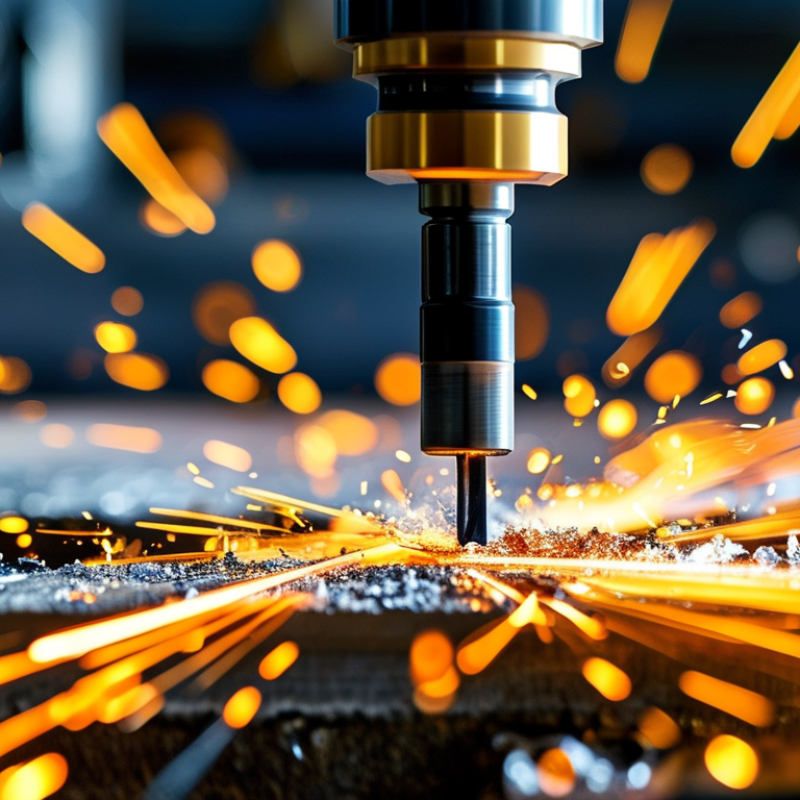
Carbide bits are cutting tools made from hard tungsten carbide grains, usually held together by a metallic binder. Their structure is different from ordinary high-speed steel. The carbide particles resist wear, while the binder provides limited toughness. This balance lets the cutting edge stay sharp against steel, stainless steel, and cast iron.
The numbers explain why tungsten matters. The U.S. Geological Survey reported approximately 81,000 metric tons of tungsten mine production worldwide in 2024. Tungsten remains important because its compounds support extreme hardness and heat resistance. During drilling, carbide edges remove metal through concentrated abrasion and shearing. They can tolerate higher cutting speeds than many conventional bits. It is dense and unforgiving.
A rigid machine, steady feed, and suitable coolant matter greatly. In practical workshop use, a carbide bit may cut hardened steel cleanly, yet fail quickly under sideways pressure or vibration. A small chip on the cutting edge can spread across the tip. That weakness is easy to overlook. The U.S. Department of Energy’s Critical Materials Assessment also identifies tungsten as strategically significant for advanced manufacturing, supporting its continued industrial relevance. Still, carbide is not automatically the best choice. Poor alignment, excessive force, or interrupted cutting can waste an expensive tool. Testing speed, feed, and hole depth on sample metal remains the safer professional habit.
| Data Dimension | Carbide Bit Information | Why It Matters When Working on Metal | Practical Guidance |
|---|---|---|---|
| Material Composition | Most solid carbide cutting tools are made primarily from tungsten carbide particles bonded with cobalt or another metallic binder. | The carbide particles provide cutting hardness, while the binder contributes toughness and resistance to impact. | Choose the grade according to the balance required between wear resistance and resistance to chipping. |
| Hardness | Carbide is substantially harder than high-speed steel and maintains its cutting edge better during abrasive machining. | A harder edge can remove material efficiently from steel, stainless steel, cast iron, and many non-ferrous metals. | Use carbide when edge retention and dimensional consistency are more important than maximum impact resistance. |
| Hot Hardness | Carbide retains useful hardness at elevated cutting temperatures better than conventional high-speed steel. | The cutting edge is less likely to soften during high-speed operation, provided heat is controlled properly. | Apply suitable cutting parameters and coolant or air assistance when recommended for the workpiece and tool. |
| Cutting Action | Rotating flutes or cutting edges shear metal from the workpiece and carry chips away from the cutting zone. | Efficient shearing reduces rubbing and helps produce a cleaner cut with less unnecessary heat generation. | Keep the bit sharp, use firm workholding, and avoid allowing chips to pack in the flutes. |
| Typical Metal Applications | Common applications include drilling, milling, engraving, deburring, profiling, and rotary burr work on metal. | Different geometries are optimized for different operations, chip loads, and workpiece conditions. | Match the bit type to the operation rather than treating every carbide bit as a universal tool. |
| Suitable Workpiece Materials | Carbide bits are commonly used on carbon steel, alloy steel, stainless steel, cast iron, aluminum, brass, and copper alloys. | Material hardness, ductility, abrasiveness, and thermal conductivity affect tool life and surface finish. | Use a geometry and coating suited to the specific metal, especially for gummy materials such as aluminum. |
| Wear Resistance | Carbide generally offers high resistance to abrasive wear, allowing the tool to retain its profile over longer cutting cycles. | Consistent geometry can improve repeatability in production and reduce frequent tool changes. | Inspect for flank wear, edge rounding, chipping, and built-up edge before quality declines. |
| Rigidity Requirement | Solid carbide is stiff but relatively brittle compared with tougher steel tools. | Deflection can be low, but sudden shock, vibration, or interrupted cuts may cause edge chipping or breakage. | Use a rigid machine setup, short tool overhang, accurate collet or holder, and secure workholding. |
| Heat Management | Carbide tolerates higher temperatures than many steel tools, but excessive heat can still accelerate wear, distortion, or thermal damage. | Temperature control protects both the cutting edge and the workpiece surface. | Adjust speed, feed, depth of cut, chip evacuation, and coolant use instead of relying on hardness alone. |
| Cutting Speed | Carbide tools can generally operate at higher cutting speeds than high-speed steel tools, but the correct value depends on tool diameter, geometry, metal type, and machine capability. | Higher permissible speed can improve productivity when the setup is stable and heat is controlled. | Use the tool maker's recommended surface-speed range and calculate spindle speed from tool diameter. |
| Chip Evacuation | Flute design, helix angle, rake angle, and the number of cutting edges influence how chips leave the cutting zone. | Poor chip evacuation can cause recutting, heat buildup, surface damage, and premature tool failure. | Clear chips with coolant, air, or periodic withdrawal when appropriate; never allow packed chips to remain in a deep hole. |
| Surface Finish | A sharp, properly selected carbide bit can produce a stable finish because it resists edge wear and maintains its cutting profile. | Stable geometry supports consistent dimensions and reduces the need for secondary finishing. | Use suitable feed, tool engagement, runout control, and a finishing pass when a smoother surface is required. |
| Coatings | Some carbide tools use hard coatings to reduce friction, resist oxidation, and improve wear performance. | A coating can extend usable tool life when its properties match the workpiece and cutting conditions. | Do not assume every coating suits every metal; select based on material, temperature, lubrication, and operation. |
| Main Advantages | High hardness, strong wear resistance, good hot-hardness retention, rigidity, and suitability for high-speed cutting. | These properties can increase productivity, improve repeatability, and reduce tool-change frequency. | Carbide is most beneficial when the machine and workholding are rigid enough to minimize vibration and impact. |
| Main Limitations | Higher cost, greater brittleness, sensitivity to vibration, and risk of chipping during shock loading. | Incorrect setup or aggressive interrupted cutting can cause sudden tool damage rather than gradual wear. | Use conservative engagement, avoid lateral shock, and replace damaged bits instead of continuing with a chipped edge. |
| Safety Considerations | High-speed metal cutting can produce sharp chips, hot surfaces, dust, and fragments if a bit fails. | Personal injury and equipment damage can occur without proper guarding and operating practice. | Wear appropriate eye and face protection, secure the workpiece, inspect the tool, and follow the machine's operating guidance. |