How to Choose the Best Drill Bit Set?
Choosing the best Drill Bit Set is not about buying the box with the most pieces. It is about matching each bit to the material, machine, and task. A homeowner drilling soft pine needs different performance from a contractor working through stainless steel. The wrong choice can create heat, wandering holes, damaged surfaces, and unnecessary frustration.
Tooling engineer Mark R. Williams explains, “A drill bit is only as effective as its match with the material.” That simple idea deserves attention. A reliable Drill Bit Set should include common sizes, clear markings, strong shanks, and coatings suited to regular use. High-speed steel bits handle many general jobs. Cobalt bits tolerate tougher metals and higher temperatures. Carbide bits offer hardness, but they can chip when handled carelessly.
Look closely.
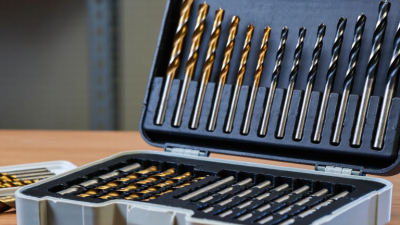
A practical test starts with the storage case. Can you find a 6 mm bit quickly? Does the lid stay closed near a busy workbench? Small details matter during real projects. I have also found that advertised piece counts can be misleading. Some sets fill their total with duplicate sizes or unsuitable accessories. More is not always better.
This guide examines cutting materials, tip geometry, size ranges, durability, storage, and value. It also considers cordless drills, drill presses, and occasional household repairs. No set performs perfectly in every situation. That is worth admitting. The best choice depends on honest expectations, working conditions, and how often the bits will be used.
Define Your Drilling Needs and Project Requirements
How to Choose the Best Drill Bit Set?
Before choosing a drill bit set, define the job clearly. Identify the materials, hole sizes, drilling angle, and expected workload. A bathroom tile needs different cutting behavior than hardwood, mild steel, or concrete. Check whether the project requires clean entry holes, deep drilling, or repeated production work. These details matter more than owning the largest set.
Material selection should match the workpiece. High-speed steel bits suit general metal and wood applications. Carbide-tipped bits handle masonry and abrasive surfaces more effectively. The U.S. Geological Survey reported approximately 81,000 metric tons of global tungsten mine production in 2023. Tungsten carbide depends on this material, so durability, cost, and supply considerations should influence professional purchasing decisions. For occasional repairs, a smaller set may reduce waste. For workshop use, a wider size range improves consistency. I still find that users often buy oversized sets and rarely use half the bits.
Tips: Measure the fastener before drilling. Use a pilot hole for larger diameters. Match the bit shank to your chuck. Reduce pressure when the bit begins overheating. Inspect cutting edges after each demanding job. A dull bit can wander, damage surfaces, and create unnecessary rework. The U.S. Occupational Safety and Health Administration advises securing workpieces and controlling flying particles during drilling operations. That simple step is easy to overlook.
Compare Drill Bit Materials, Coatings, and Designs
How to Choose the Best Drill Bit Set?
Material choice controls cutting life, heat resistance, and the quality of each hole. High-speed steel suits wood, plastic, and occasional steel work. Cobalt-alloy steel handles harder metals and keeps its edge longer under heat. Carbide offers greater hardness, but it can chip when the drill wanders or the workpiece vibrates. The U.S. Geological Survey’s Mineral Commodity Summaries 2025 estimated global tungsten mine production at about 81,000 metric tons in 2024. That limited resource helps explain carbide’s higher cost.
Coatings change performance rather than replacing a suitable base material. Black oxide improves mild corrosion resistance and reduces friction slightly. Titanium nitride provides a hard, low-friction surface, especially during repeated metal drilling. Titanium aluminum nitride tolerates higher heat, but it needs correct speed and feed settings. The International Trade Centre’s Trade Map data shows substantial global trade in tungsten carbide tools, reflecting steady industrial demand, not proof that every coated bit performs better.
Design deserves equal attention. A 135-degree split point reduces walking on metal, while a 118-degree point can cut more smoothly in softer stock. Brad-point bits stay centered in wood. Step bits create clean sheet-metal holes, but their edges wear quickly in thick plate. I once selected coating before checking geometry. That was backwards. Check the material, thickness, drill speed, and replacement cost first. Small details matter.
Match Bit Types to Different Materials and Applications
How to Choose the Best Drill Bit Set?
A good set begins with the workpiece, not the tool box. For mild steel, choose high-speed steel twist bits. Cobalt versions handle harder alloys and repeated heat better. For stainless steel, use low speed, firm pressure, and cutting fluid. Do not let the bit rub. Rubbing creates heat quickly.
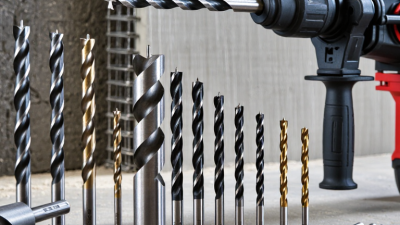
Material demand explains why versatility matters. The World Steel Association’s World Steel in Figures 2024 reports 1.89 billion tonnes of crude steel production in 2023. The USGS Mineral Commodity Summaries 2024 estimates about 70 million metric tons of primary aluminum production that year. Aluminum usually benefits from polished, sharper flutes and moderate speed. Wood needs brad-point bits for clean entry. Masonry needs carbide-tipped bits and hammer action. Tile and glass require diamond-grit bits, steady water cooling, and almost no impact. Thin sheet metal often responds well to step bits. My own mistake was using a general-purpose bit everywhere. It worked, but the holes were rough and the bit dulled early. A perfect chart still cannot replace a test hole.
Tips: Match the bit to the material first. Then check diameter, shank size, speed, and cooling. Mark the depth with tape. Clamp loose workpieces securely. Start slowly on metal and glass. Inspect the cutting edges under bright light. A chipped tip should not return to service. Manufacturer guidance and relevant ISO or ASTM specifications deserve a final check, especially for demanding tolerances.
How to Choose the Best Drill Bit Set?
Match bit types to different materials and applications
The chart rates how well each common drill bit type matches typical materials on a practical 1–5 scale:
5 means a primary recommended choice, 3 means usable with limitations, and 1 means generally unsuitable.
Brad-point bits are designed for clean wood holes, HSS and cobalt bits suit metals, carbide masonry bits are intended
for brick and concrete, and diamond-grit bits are commonly used for glass and tile.
Evaluate Set Size, Compatibility, Durability, and Storage
Choosing the best drill bit set starts with the work you actually do. A large box can look impressive, yet half its bits may never leave the drawer.
For household repairs, a practical range may include small and medium sizes for wood, metal, and masonry. Professional work often needs finer increments, longer bits, and specialty profiles.
Do not trust size labels alone. Measure the fastener, pilot hole, or material thickness before buying. Compatibility matters more than quantity.
Check the shank shape and diameter against your drill’s chuck. Some bits fit quick-change holders, while others require a standard keyed or keyless chuck. Also match the bit to the material.
Wood bits can burn in metal, and masonry bits may chip on dense tile.
Durability depends on steel quality, heat treatment, coating, and the pressure used during drilling. From workshop testing, sharp edges and clean flutes usually matter more than polished packaging.
Use moderate speed, steady pressure, and cutting lubricant when the material requires it. Let the bit work.
For masonry, avoid forcing a dull tip; excessive pressure can damage both tool and surface.
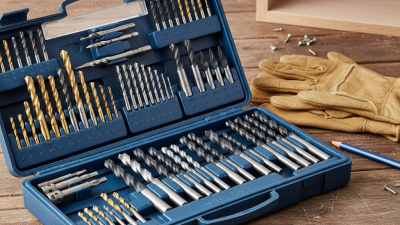
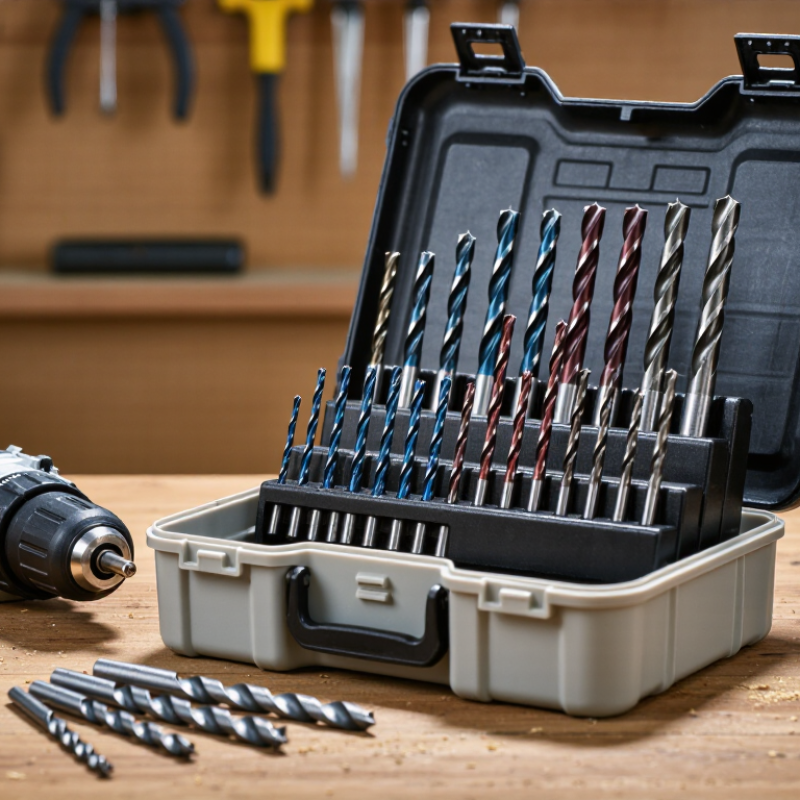
Storage is easy to underestimate. A fitted case should separate sizes, protect cutting edges, and close securely in a dusty toolbox. Clear markings save time, especially when several bits look nearly identical.
I once bought a compact set with excellent coverage but poor labels. It was frustrating, and I made avoidable mistakes. That experience changed my buying checklist.
No set is perfect. Choose the smallest set that covers your regular materials, then add specialty bits only when a real task demands them.
Select the Best Drill Bit Set for Value and Long-Term Use
How to Choose the Best Drill Bit Set?
Select the Best Drill Bit Set for Value and Long-Term Use
A useful drill bit set should match the materials you actually work with. A large box is not automatically better value. I once bought a cheap set with many sizes, but several bits dulled after drilling only a few steel holes. That was my mistake. I had compared quantity instead of durability.
Check the bit material, cutting design, and size range before buying. Bits made for wood, metal, masonry, or mixed materials have different working limits. A strong metal set should resist heat and keep its edge during repeated use. For household repairs, common sizes from 3 to 10 millimeters are often more practical than rare sizes. Look for clearly marked bits and a case that prevents loose storage. Small details matter.
Choose a set with replaceable individual pieces when possible. Replacing one worn bit costs less than replacing an entire kit. A sturdy shank also reduces slipping in the chuck, especially during longer drilling tasks. I prefer sets with consistent sizing because uneven bits can create inaccurate holes. Keep a small bottle of cutting fluid nearby for metal work, and let hot bits cool naturally. Do not force a dull bit. I learned that lesson late. A moderate-priced set with dependable construction usually offers better long-term value than the cheapest option.